

What Is a Surf Quiver? Your Beginner's Board Guide

TL;DR:
A surf quiver is a curated collection of surfboards tailored for specific wave conditions, helping surfers adapt to varying seas. Building a three-board system—comprising a groveler, a daily driver, and a step-up—optimizes performance across most conditions and evolves with skill development. Proper maintenance, thoughtful specs, and local conditions should guide quiver growth, avoiding common mistakes like buying similar or inappropriate boards.
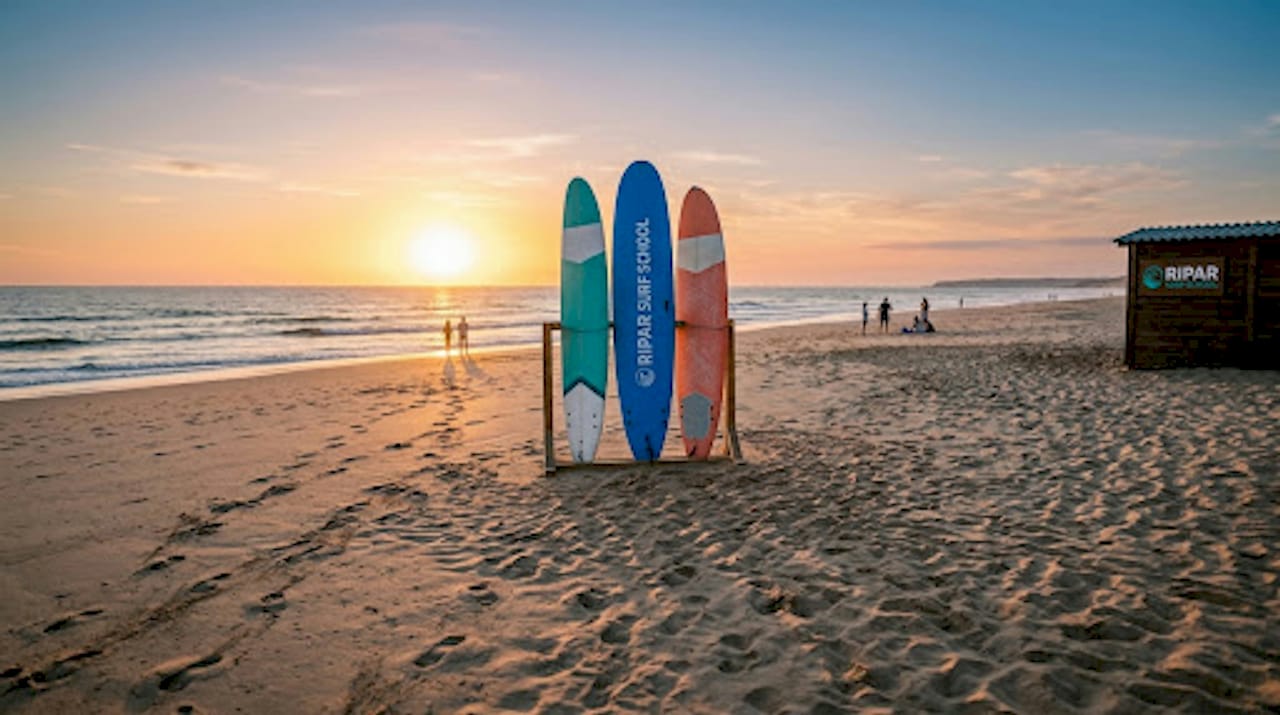
A surf quiver is a curated collection of surfboards a surfer owns, each chosen to perform in a specific set of wave conditions. The term comes directly from archery, where a quiver holds arrows of different types for different targets. In surfing, the same logic applies: one board rarely handles every ocean condition well, so a smart surfer builds a set of boards that covers the full range of what the sea delivers.
What is a surf quiver and why does it matter?
A surf quiver is defined as a strategic, curated board collection designed to let you adapt to varying wave conditions, from small, weak swells to powerful overhead surf. The surfing equipment market is projected to grow at a compound annual growth rate of roughly 4.2% through 2035, which reflects how many surfers are now investing in multiple boards rather than riding a single all-purpose shape. That growth signals a shift in how surfers think about gear: not as a single purchase, but as an evolving toolkit.
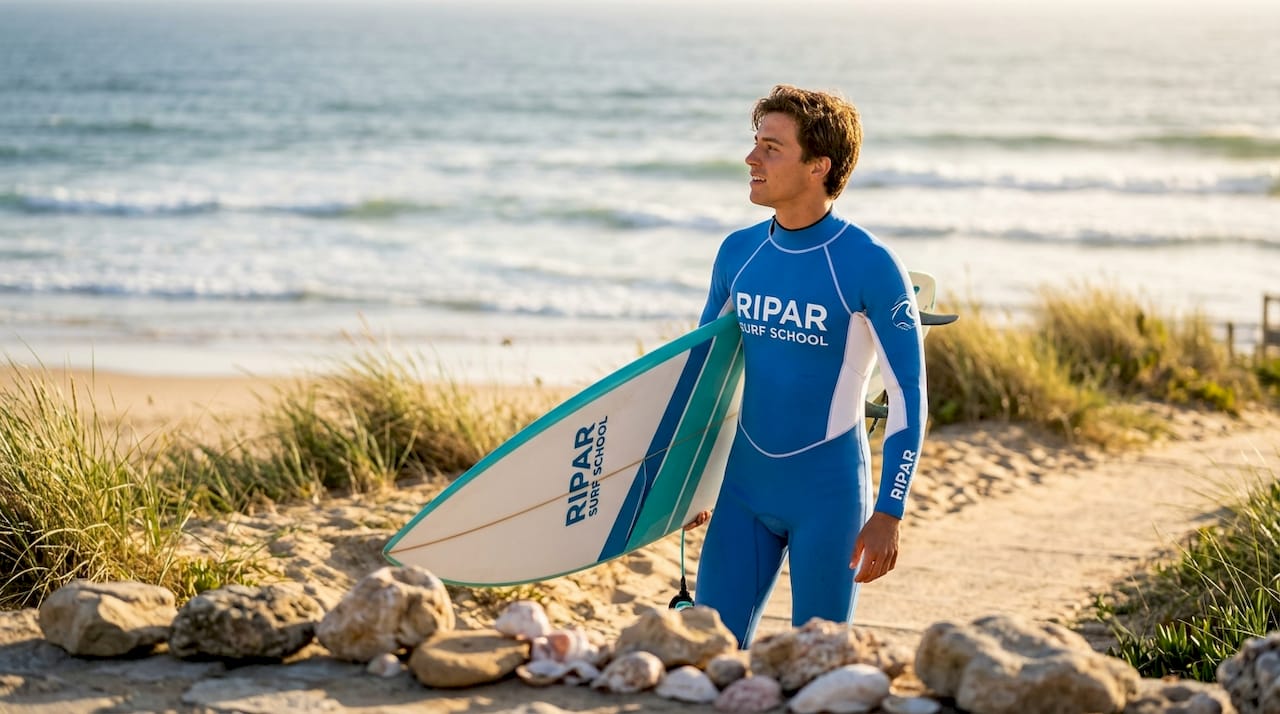
The quiver concept matters because wave conditions change constantly. A board that flies in two-foot beach break will feel sluggish and unresponsive in six-foot hollow surf. Without the right board underfoot, you spend more energy fighting your equipment than reading the wave. Understanding surfboard shape and volume is the foundation of building a quiver that actually works for you.
What boards make up a typical surf quiver?
A three-board quiver balances the ability to surf most conditions without overwhelming you with too many choices. Each board fills a distinct role, and the three work together as a system rather than as interchangeable options.
The three core boards
Groveler. This is your small-wave weapon. Grovelers are wide, thick, and flat-rockered, built to generate speed in weak, mushy surf where a standard shortboard would stall. Brands like Firewire and Channel Islands both produce popular groveler shapes. If your local break delivers waist-high crumble most of the year, this board gets the most use.
Daily driver. The daily driver is the core of any quiver, used most throughout the year. It suits your most common conditions, whether that is chest-high beach break or punchy reef surf. Modern daily driver boards incorporate technology to perform well across varied conditions, which has reduced the need for a distinct step-up board in some surfers’ lineups.
Step-up. When surf gets serious, overhead and powerful, a step-up board gives you the control and drive that a daily driver cannot. Step-ups are narrower, have more rocker, and are typically a few inches longer. Confident surfers appreciate the performance boost on large waves that a well-chosen step-up delivers.
Optional shapes worth knowing
Beyond the core three, some surfers add specialty shapes. A mid-length or egg works beautifully in long, rolling point break surf. A fish twin-fin adds looseness and fun in small, fast waves. These are not necessities, but they expand what your quiver can do. Surf brands like Pyzel, JS Industries, and Torq bundle boards in quivers specifically to simplify choices for surfers who want performance and versatility without endless research.
Board type | Best conditions | Key characteristic |
Groveler | Small, weak, mushy waves | Wide, thick, flat rocker |
Daily driver | Everyday surf, chest to head high | Balanced volume and rocker |
Step-up | Overhead, powerful, hollow surf | Narrower, more rocker, extra length |
Mid-length or egg | Long, rolling, mellow point break | High volume, forgiving rails |
Pro Tip: When you are unsure which board to grab, always choose the one with more volume. Paddling into waves confidently builds your reading of the ocean faster than struggling on an undersized board.
How to build your surf quiver as a learner surfer
Building a quiver as a learner is a process, not a single shopping trip. Quivers evolve with a surfer’s skill, starting with high-volume malibus or funboards and progressing toward more reactive shortboards as ability develops. Rushing that progression is one of the most common and costly mistakes beginners make.
Follow this sequence to build a quiver that grows with you:
Start with one high-volume board. A longboard, malibu, or funboard gives you the stability and paddle power to catch waves consistently. You cannot learn to read surf if you are spending every session fighting to get into waves. Check out the essential surf equipment for beginners to understand which volume range suits your weight and skill level.
Assess your local conditions honestly. If you surf Praia Areia Branca near Peniche, you will encounter everything from gentle summer beach break to powerful Atlantic swells in autumn. Your quiver needs to reflect that range, not the conditions at your dream destination.
Learn board specs before buying. Volume in liters, rocker profile, and rail shape all determine how a board performs. Understanding board specs like liters, rocker, and rails is more important than simply owning many boards. A 28-liter shortboard and a 28-liter fish ride completely differently because of rocker and outline.
Add a second board only when your first feels limiting. When you consistently catch waves on your malibu and want more maneuverability in smaller surf, that is the signal to add a mid-length or a groveler. Not before.
Plan storage before you buy. Storage solutions for four boards typically cost between $250 and $500. Wall-mounted racks, freestanding racks, and padded board bags all protect your investment. Know where your boards will live before you add to the collection.
Pro Tip: Visit a local surf shop and ask to hold different boards rather than just looking at them. Volume and thickness become real when you feel the weight and width in your hands. Reading a spec sheet never replaces that.
How to maintain and care for your surf quiver
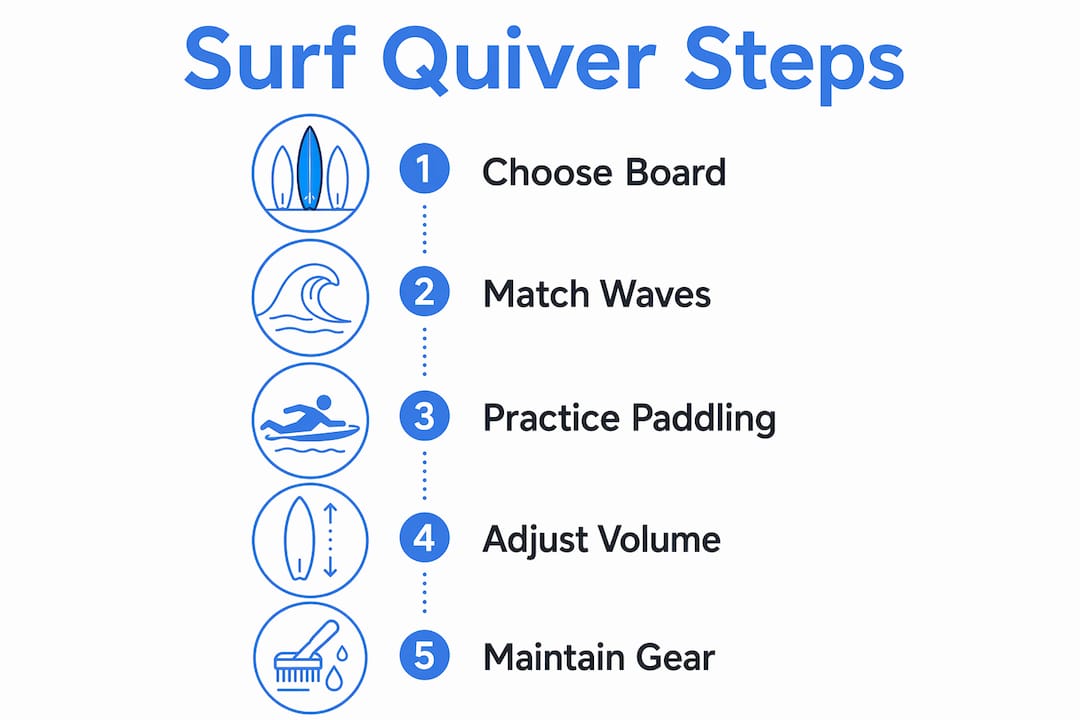
Proper care is what separates a quiver that lasts a decade from one that degrades in two seasons. Surfboard storage and immediate ding repair are the two practices that keep a quiver functional and durable over years. Neither requires professional skills, but both require consistency.
Key maintenance habits every surfer should follow:
Fix dings immediately. Fixing small dings with products like SolarRez is critical to prevent waterlogging that ruins boards from the inside out. A ding left overnight can absorb enough water to add noticeable weight and compromise the foam core permanently.
Use proper rack storage. Wall-mounted racks prevent damage from leaning or stacking boards against each other, which causes pressure dings and rail damage over time. Horizontal racks distribute weight evenly; vertical racks save floor space in smaller rooms.
Inspect boards after every session. Run your hand along the rails and deck after each surf. Catching a hairline crack early costs you five minutes and a few dollars of resin. Missing it costs you a board.
Transport boards in padded bags. A day bag protects against UV exposure and minor impacts during car trips. A travel bag with foam padding is non-negotiable for flights. UV exposure yellows and weakens foam faster than most surfers realize.
Keep boards out of direct sunlight. Leaving a board on a hot car roof or in a closed vehicle on a summer day can delaminate the fiberglass from the foam. Always store boards in shade or in a board bag when not in use.
Common mistakes and misconceptions about surf quivers
The biggest misconception about a surf quiver is that more boards automatically means better surfing. Quantity without complementarity is just an expensive storage problem.
“A quiver of three boards that cover genuinely different conditions beats a rack of six boards that all perform the same job.”
The most frequent mistakes learner surfers make when building their quiver:
Believing one board fits all needs. No single board shape handles two-foot crumble and six-foot hollow surf equally well. Accepting this truth early saves money and frustration.
Buying boards that are too similar. Two shortboards of nearly identical volume and rocker are not a quiver. They are duplicates. Every board in your quiver should fill a gap the others cannot.
Ignoring board specs. Choosing a board based on aesthetics or brand loyalty without checking volume, rocker, and rail shape leads to boards that do not match your weight, skill level, or local waves. Use the types of surfboards guide to understand how shape translates to performance before committing to a purchase.
Neglecting maintenance. Neglecting maintenance or improper storage often leads to early board damage and reduces quiver effectiveness. A waterlogged board loses its pop and responsiveness, which makes progression harder.
Overlooking transport and storage logistics. Buying a fourth board when you have nowhere safe to store it or no way to transport it is a practical mistake that damages boards and creates unnecessary stress.
Key takeaways
A well-built surf quiver is a system of three complementary boards, each covering conditions the others cannot, maintained consistently and chosen based on real specs rather than brand appeal.
Point | Details |
Quiver definition | A curated set of surfboards, each matched to specific wave conditions. |
Core three-board setup | Groveler, daily driver, and step-up cover the vast majority of surf conditions. |
Build progressively | Start with one high-volume board and add only when your current board feels limiting. |
Specs over aesthetics | Volume, rocker, and rails determine performance. Choose boards by numbers, not looks. |
Maintenance is non-negotiable | Fix dings immediately with SolarRez and store boards on proper racks to protect your investment. |
Why I think most surfers build their quiver backwards
I have watched hundreds of surfers come through Praia Areia Branca over the years, and the pattern is almost always the same. They buy a shortboard they saw their favorite pro ride, struggle to catch waves, and then buy a bigger board as an afterthought. The quiver gets built in reverse, from performance down to function, instead of the other way around.
The surfers who progress fastest do the opposite. They start with a board that makes surfing easy and fun, build their ocean reading and paddle fitness, and then add performance boards as those skills demand it. A quiver built that way feels like a natural extension of your surfing. A quiver built the other way feels like a collection of boards you have not grown into yet.
The other lesson I keep coming back to is that local conditions should dictate your quiver, not surf media. Portugal’s Atlantic coast delivers everything from glassy two-foot summer waves to powerful winter swells above double overhead. A quiver built for Peniche looks very different from one built for a sheltered bay in the Algarve. Experienced surfers view quiver building as an evolving process tied closely to skill development and local conditions, and that perspective is exactly right. Your quiver should grow with you, not sit ahead of where you actually surf.
— Fernando
Learn to use your quiver at Riparsurfschool
At Riparsurfschool, based at Praia Areia Branca near Peniche and Ericeira, you get to surf some of Portugal’s most consistent Atlantic waves under the guidance of certified local instructors who have been coaching since 2001. Whether you are figuring out your first board or learning how to match your quiver to shifting conditions, the coaching here is built around real surf, not theory.

Group and private lessons give you the chance to try different board shapes in actual surf, which is the fastest way to understand what each board in a quiver actually does. Book your surf lessons and start building real quiver knowledge in the water, or reserve a spot at surf camp for a full immersive experience across multiple conditions and board types.
FAQ
What is a surf quiver in simple terms?
A surf quiver is a collection of surfboards owned by one surfer, with each board chosen to perform in different wave conditions. The term comes from archery, where a quiver holds different arrows for different targets.
How many boards should a beginner’s quiver have?
One board is enough to start. A high-volume malibu or funboard covers most beginner conditions and teaches you to read waves before you need to think about board selection.
What is the most important board in a surf quiver?
The daily driver is the most used board in any quiver. It suits your most common local conditions and forms the foundation around which you add a groveler or step-up as your surfing develops.
Do I need a step-up board in my quiver?
Not immediately. Modern daily driver boards handle a wider range of conditions than older designs, so a step-up becomes relevant only when you are surfing consistently overhead and powerful surf with confidence.
How do I protect my surf quiver from damage?
Fix any dings with a product like SolarRez immediately after each session, store boards on wall-mounted racks rather than leaning them against walls, and always transport boards in padded bags to protect against UV exposure and impact.
Recommended
Comments