

Types of Beach Village Experiences: A Traveler's Guide

TL;DR:
Beach village experiences are primarily divided into resort-anchored stays with full amenities and independent local villages centered on authentic community life. The choice depends on travelers’ preferences for comfort, cultural immersion, and activity types, with each offering distinct benefits and challenges. Matching your expectations with the village type ensures a fulfilling coastal trip, whether seeking family-friendly resorts or genuine cultural encounters in fishing or surf communities.
Beach village experiences divide into two primary categories: resort-anchored stays built around curated amenities and independent local villages centered on authentic community life. Knowing which type fits your travel style is the single most important decision you will make before booking a coastal trip. The wrong choice leaves you either bored by isolation or frustrated by crowds. The right one delivers exactly the coastal village experience you came for, whether that means waking up to a fishing village market in El Cotillo, surfing with locals in Praia Areia Branca, or relaxing in a polished beachfront resort in Turks and Caicos.
1. What defines the types of beach village experiences
Beach village accommodations span six primary formats: beach houses, condos, villas, luxury resorts, guesthouses, and townhomes. Each format signals a fundamentally different relationship between you and the place you are visiting. Resort formats prioritize controlled comfort; guesthouse and local village formats prioritize unfiltered access to real community life. Understanding this spectrum before you search for destinations saves you from mismatched expectations and wasted travel days.
2. Resort-anchored beach village experiences
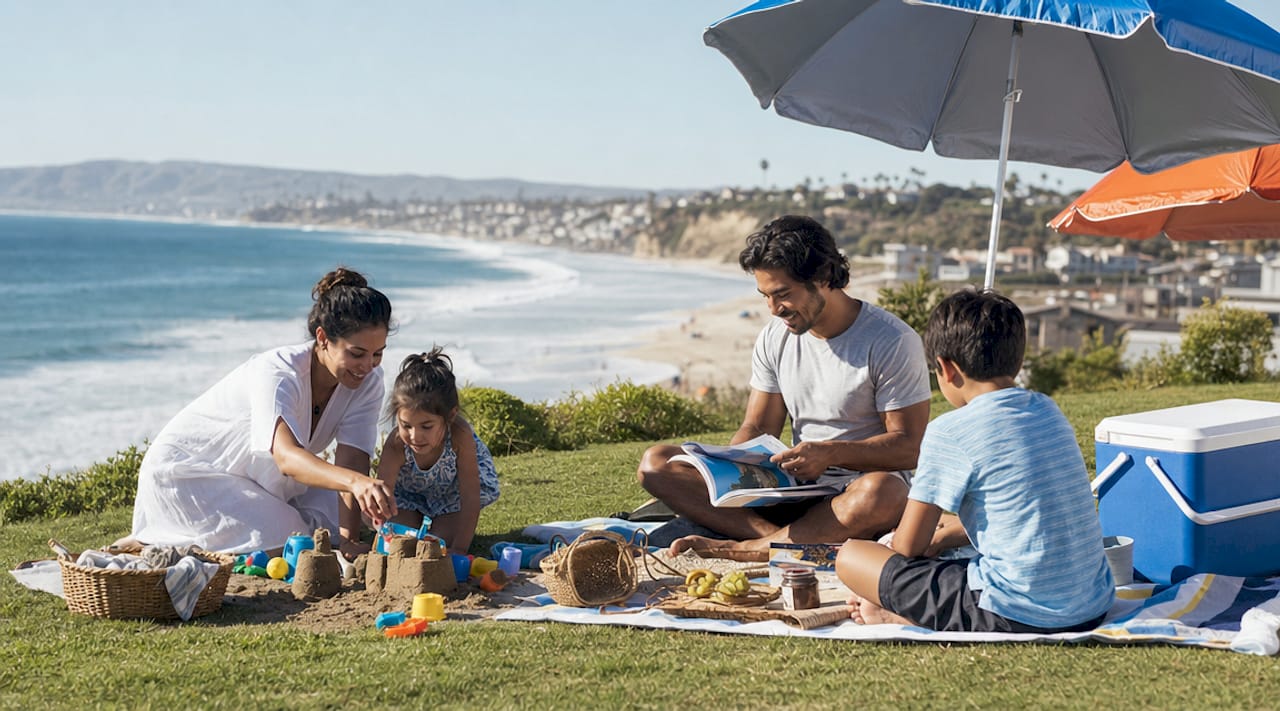
Resort-anchored coastal village experiences are defined by full-service amenities, organized programming, and a polished guest environment that removes friction from every part of your stay. Properties like The Del Beach Village in Coronado, California, and Beaches Turks and Caicos deliver on-site spas, curated excursions, multiple dining options, and dedicated activity staff. The experience is designed to be self-contained. You rarely need to leave the property to feel satisfied.
The core advantages of this format are real and worth naming directly:
Predictable quality: Rooms, food, and service meet consistent standards regardless of season.
Organized activities: Sports courts, fitness classes, water sports rentals, and guided tours are bookable on-site.
Family logistics: Kids’ clubs, lifeguards, and structured programming make resort villages the most practical choice for families with young children.
Privacy: Gated or island-based layouts limit outside foot traffic, which matters for travelers who want to decompress without interruption.
The trade-off is equally clear. Resort villages insulate you from the actual community surrounding them. You can spend a week in a resort village in the Maldives and leave knowing nothing about how local people live, eat, or work. Resort islands prioritize privacy and pools; inhabited islands offer community engagement and flexible plans. That distinction is the clearest summary of what you gain and lose with each format.
Pro Tip: Book resort-anchored stays during shoulder season, typically April to June or September to October, when prices drop 20 to 30 percent and activity facilities are far less crowded.
3. How independent local beach villages offer authentic cultural immersion
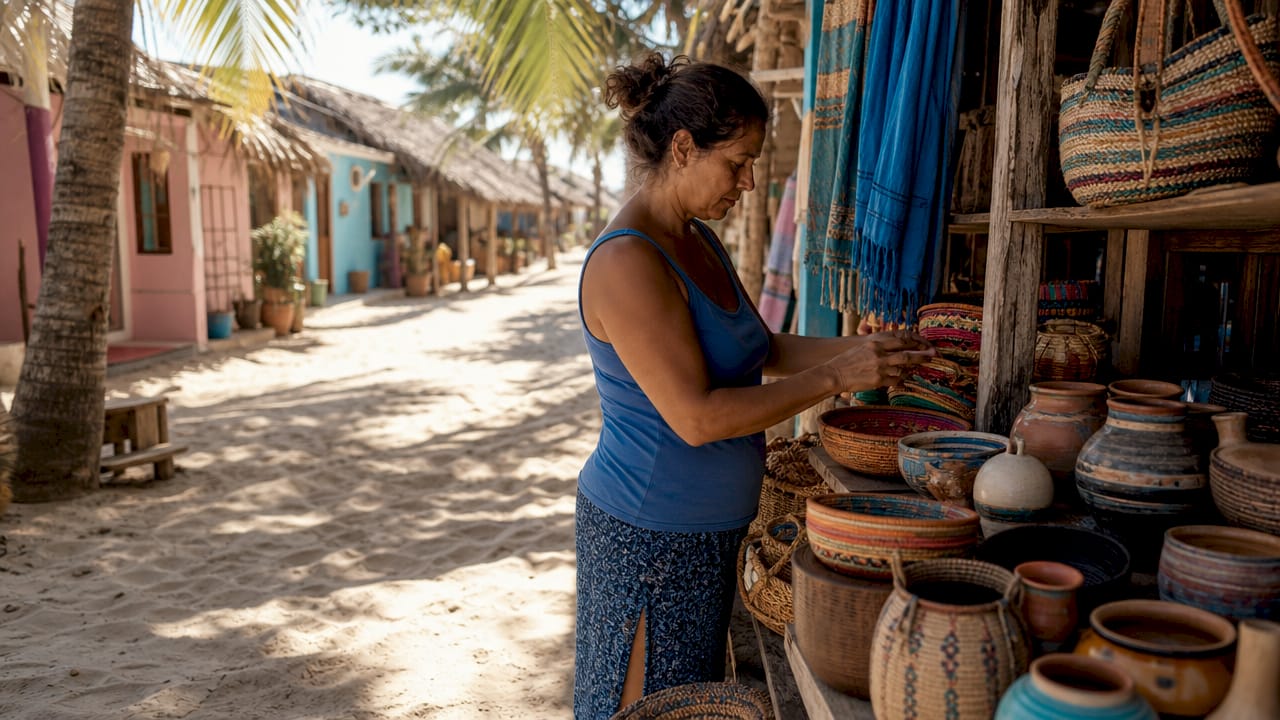
Independent local beach villages are the opposite of resort stays in almost every measurable way. Lodging is typically guesthouse-style, small-scale, and family-run. Guesthouses integrate travelers into everyday local sounds, morning markets, and community routines that no hotel can replicate. The experience is less polished and far more memorable.
Three villages illustrate this category better than any description:
El Cotillo, Canary Islands: Volcanic beaches, a working fishing harbor, and a village center where locals outnumber tourists year-round. The authentic fishing village rhythm here means watching boats unload the morning catch before the first café opens.
Jinsha Village, Matsu, Taiwan: Stone architecture, sorghum liquor brewing traditions, and a pace of life that requires you to adjust to analog living, including cash-only venues and fixed local transit schedules.
Ine, Japan: Famous for its funaya, wooden boathouses built directly over the water, where fishing families have lived the same way for centuries.
The practical challenges of independent village travel are real. Pharmacies may be limited or absent. ATMs are rare. Transport runs on local schedules, not tourist convenience. These are not flaws in the experience. They are the experience. The hallmark of a high-quality village stay is the unfiltered flow of daily life through local interactions rather than tourist spectacles.
Pro Tip: Arrange ground transport before you arrive. Many independent villages sit 30 to 40 miles from the nearest transport hub, and local taxi services do not operate on demand.
4. What types of activities define different beach village profiles
Activity offerings are the clearest signal of what kind of village you are entering. Active beach villages function as sports hubs. Secluded villages offer something quieter and often more meaningful.
Village Type | Primary Activities | Typical Amenities | Best For |
Resort-anchored | Organized sports, spa, curated tours | Pools, fitness centers, restaurants | Families, comfort travelers |
Active local village | Surfing, kitesurfing, volleyball, padel | Surf schools, beach bars, rental shops | Adventure travelers, young adults |
Secluded cultural village | Artisanal tours, conservation visits, fishing | Guesthouses, local markets, walking trails | Cultural immersion seekers |
Eco-conservation village | Turtle sanctuaries, fishing cooperatives | Basic lodging, guided nature programs | Sustainable travel advocates |
Active beach villages feature sports hubs with padel courts, volleyball nets, and fitness classes bookable through apps. Boutique glamping setups in active villages often include kitesurfing and windsurfing as standard offerings. Secluded villages, by contrast, center on artisanal tours, conservation visits, and non-commercial excursions that connect you to the local economy rather than extract you from it.
Conservation-focused beach villages intertwine the local economy with environmental stewardship, creating turtle sanctuaries and fishing cooperatives with sustainable practices. Visitors who spend time in these villages consistently report a deeper sense of connection to place than those who visit purely activity-driven destinations. The activity type shapes the entire emotional texture of your stay.
5. Which beach village type suits different traveler needs
Choosing between coastal village experiences comes down to three honest questions: How much comfort do you need? How much cultural friction can you handle? And what do you actually want to remember about this trip?
Families with children under twelve are best served by resort-anchored villages. The logistics of independent village travel, including irregular transport, limited medical access, and unpredictable food options, create stress that cancels out the cultural reward for most parents. Beaches Turks and Caicos and similar all-inclusive properties exist precisely because they solve these problems completely.
Couples on romantic getaways have the widest range of options. A guesthouse in Ine, Japan, or a surf lodge in Praia Areia Branca, Portugal, delivers intimacy and novelty that no resort can match. Surf-friendly villages in Portugal like Areia Branca offer the rare combination of active water sports culture and genuine small-town community life, which is exactly what many couples are searching for without knowing the right words to describe it.
Adventure travelers should prioritize villages with direct water access and active local surf or water sports cultures. Reaching remote villages often demands multi-modal transport, including irregular ferries and shared vans, with careful planning for luggage and daylight arrivals. That logistical challenge is part of the reward for this traveler type.
Travelers on a budget who want unique coastal experiences should look at villages 30 to 40 miles from major transport hubs. Smaller villages with high walkability allow you to explore the entire downtown area on foot in two to four hours, which means you spend money on food and experiences rather than taxis and tours.
Key takeaways
The most rewarding beach village experiences come from matching your tolerance for friction with the right village type, not from chasing the most exotic destination on the map.
Point | Details |
Two primary categories exist | Resort-anchored and independent local villages differ fundamentally in amenities and cultural access. |
Activity type signals village character | Sports hubs, conservation villages, and secluded cultural villages each attract a distinct traveler profile. |
Logistics determine authenticity | Independent villages require advance transport planning, cash, and acceptance of limited services. |
Family travelers favor resorts | Consistent amenities and organized programming reduce friction for families with young children. |
Active villages combine culture and sport | Surf and water sports villages like Praia Areia Branca offer community life alongside physical activity. |
What I’ve learned from years of watching travelers choose the wrong village
I have watched hundreds of travelers arrive at Praia Areia Branca expecting a resort experience and leave having had something far better. I have also watched travelers who needed a resort end up frustrated by the village pace. The mismatch is almost always the same: people book based on photos rather than honest self-assessment.
The travelers who get the most out of independent beach village life are not necessarily the most adventurous. They are the most honest about what they want. A retired couple who admits they want good coffee, a short walk to the beach, and one interesting conversation per day will thrive in a village like El Cotillo. A group of friends who needs nightlife and a pool will not.
What I find genuinely underrated is the middle category: active local villages with surf culture. Places like Areia Branca give you real community life, local cafes, and genuine neighbors, but they also give you structured activity through surf schools and water sports. You are not left to figure out the village on your own. The community atmosphere in surf camps creates a social scaffold that independent village travel rarely provides. That combination of authenticity and structure is the sweet spot most travelers are actually looking for, even when they describe their ideal trip in very different terms.
My practical advice: pack light, arrive before dark, carry cash, and give yourself at least three nights before you judge the place. The first day in any independent village feels disorienting. By the third morning, you will not want to leave.
— Fernando
Experience authentic beachfront community life with Riparsurfschool
Riparsurfschool has been running surf lessons and surf camps at Praia Areia Branca, near Peniche and Ericeira, since 2001. The location is a working beach village, not a resort, which means your stay puts you directly inside local community life rather than observing it from a distance.

Certified local instructors lead group surf lessons and private surf lessons at all skill levels, with easy access to village cafes, beach bars, and the Atlantic’s most consistent surf breaks. Multi-day surf camps combine water time with the kind of relaxed, nature-connected village atmosphere that most travelers spend years trying to find. Book your surf camp online and arrive ready to experience one of Portugal’s most authentic coastal communities.
FAQ
What are the main types of beach village experiences?
Beach village experiences fall into two primary categories: resort-anchored villages with full-service amenities and independent local villages centered on authentic community life. Within those categories, sub-types include active sports villages, secluded cultural villages, and conservation-focused coastal communities.
Which beach village type is best for families?
Resort-anchored beach villages are the most practical choice for families with young children, offering consistent amenities, kids’ clubs, and on-site medical access. Independent local villages suit families with older children who can handle slower paces and limited services.
How do I find authentic coastal village experiences off the beaten path?
Look for villages 30 to 40 miles from major transport hubs, prioritize guesthouse-style lodging over hotels, and arrive with cash. Smaller villages with high walkability and active fishing or surf cultures tend to offer the most genuine beachfront community life.
What activities can I expect in an active beach village?
Active beach villages typically offer surfing, kitesurfing, windsurfing, volleyball, and padel courts, often bookable through local surf schools or sports hubs. Villages like Praia Areia Branca in Portugal combine these activities with direct access to local cafes and community spaces.
Is it difficult to travel to remote beach villages?
Reaching remote beach villages often requires multi-modal transport including ferries, shared vans, and careful advance scheduling. Plan for daylight arrivals, pack light for easier transfers, and confirm transport options before departure rather than relying on on-demand services.
Recommended
Comments