

Stand on Waves in Five Days, Beginner Surf at Areia Branca

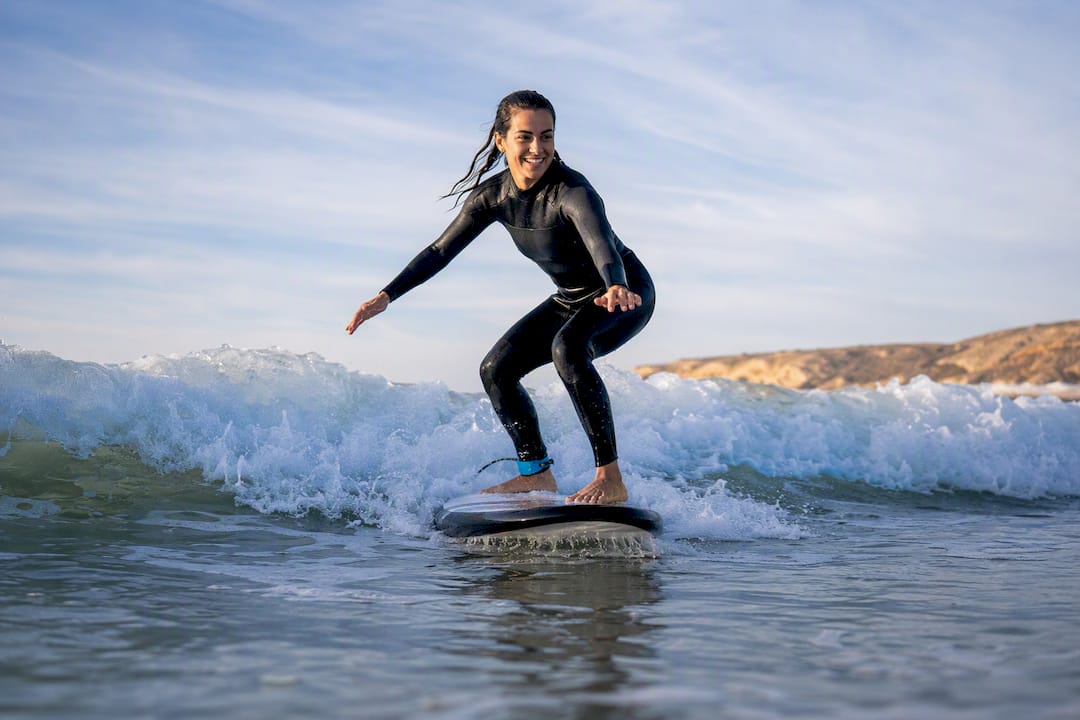
Yes, Praia da Areia Branca works well for beginners, especially in small swell when the whitewater is soft and the sandbars are cooperating. Check the wind and swell forecast before you go, then book a lesson with a certified local instructor like Ripar Surf School rather than paddling out solo. Watch the water for at least half an hour first. That single habit prevents more bad days than any piece of gear.
TL;DR:
Wave height under 1.5 meters of whitewater with light offshore wind creates the safest conditions for beginner surfing at Areia Branca.
A soft-top longboard between 8 and 9 feet, matching your body weight in volume, helps beginners paddle and stand up more easily.
Surf lessons starting at €40 include board and wetsuit rental, and booking separate packs or camps accelerates skill development through consistent practice.
The sandbars shift overnight, so checking local conditions and asking instructors about the best spot each day is critical for safety and success.
Watching the water for 30 minutes beforehand helps identify currents and hazards, reducing the risk of accidents during your first lessons.
Table of Contents
Is Praia Da Areia Branca Good for Beginner Surfing?
Areia Branca sits on the stretch of coast between Peniche and Ericeira, one of the most surf-dense corridors in Europe, and it mixes sandy beach breaks with river-mouth pockets that shift with the sand. The spot works across many seasons and turns genuinely forgiving for learners once the swell drops small.
What you need to know before you plan around it:
Location: roughly midway between Peniche and Ericeira, easy day-trip distance from both towns.
Beach type: mostly sand with some rockier patches near the river mouth, so entry points matter.
Break type: beach break and river-mouth pockets, plus reliable whitewater close to shore for practice.
Crowding: lighter than the marquee spots nearby, though weekends and summer afternoons still draw a crowd.
Hazards: rip currents near the river mouth and occasional submerged rocks; enter and exit where instructors and lifeguards mark it safe.
Why It Works for Beginners (and When It Doesn’t)
The sandbars at Areia Branca do the actual teaching. When swell is small, waves break gradually into wide bands of whitewater instead of dumping all at once, which gives a first-timer several seconds to find their feet instead of half a second. That gap is the entire difference between a frustrating day and a good one.
Surf-forecast data on the spot notes it as an exposed river break with fairly consistent surf, but “consistent” cuts both ways. Bigger, longer-period swell turns the same sandbars into fast, punchy waves that are wrong for a first lesson.
Simple rules before you commit to a session:
Wave height under roughly a meter of broken whitewater is generally best for beginners.
Offshore or light wind keeps the face clean; strong onshore wind turns it choppy and harder to read.
If lifeguards have flags up warning of strong currents, sit that session out and try the next day.
Pro Tip: Ask your instructor which sandbar is working that morning. Storms shift the river-mouth sand overnight, and a pocket that was perfect on Tuesday can be closed out by Thursday.
What to Bring: Boards, Wetsuits, and Beginner Gear
Skip the shortboard fantasy. A soft-top longboard or funboard in the 8 to 9 foot range, with enough volume to match your body weight in kilograms, gets beginners standing up faster because it paddles easier and stays stable under a shaky pop-up.
Water temperature in Portugal swings more than most visitors expect, so wetsuit thickness matters:
Summer (June to September): a 3/2mm suit is usually enough.
Spring and fall: step up to a 4/3mm, especially for longer sessions.
Winter: a 4/3mm or 5/4mm with boots and a hood for early mornings.
Always bring: a leash, wax, reef-safe sunscreen, and water for after the session.
Renting from your instructor solves the sizing guesswork on your first trip. Bring your own gear only once you know what actually suits your build and comfort with cold water.
What a Beginner Lesson Looks Like and How to Book One
A solid first lesson follows a pattern that rewards patience over bravado:
Land drills first. Pop-up practice on the sand, paddle positioning, and a rundown of hazards specific to that day’s sandbar.
Whitewater reps. Instructors push you into small, broken waves so you can feel timing and balance before a wave is even involved.
Supervised attempts at unbroken waves. Only once whitewater feels routine does a good instructor move you toward the green wave.
Look for instructors certified through the Portuguese Surf Federation, and ask about the instructor-to-student ratio before booking. A crowded group lesson teaches less than a small one.
Before you pay, confirm the meeting point, the cancellation policy, and whether board and wetsuit rental are included. Ripar Surf School runs beginner lessons on the beach and offers multi-day packs for anyone planning more than a single session.
How to Read a Surf Forecast Before You Go
Three numbers matter for a beginner day: wave height, wind direction, and tide. Ignore period length until you’re past the whitewater stage. It affects wave power more than shape, and shape is what you care about right now.
Wave height: aim for 0.5 to 1.5 meters of broken face. Anything bigger turns whitewater into a washing machine.
Wind: offshore wind (blowing from land toward the water) grooms the wave face clean. Onshore wind roughens everything and makes even small waves feel messy.
Tide: river-mouth sandbars at Areia Branca shift with the tide, so a spot that’s perfect at mid-tide can go flat or dump-y an hour later.
A worked example: a forecast showing 0.8 meters at 8 seconds with light offshore wind and a rising mid-tide is close to ideal for a first lesson. Swap that wind to a stiff onshore breeze and the same swell becomes a rough, unpleasant paddle.
Safety and Etiquette Every Beginner Should Know
Spend real time watching the ocean before you touch the water. Instructors and safety guides recommend 30 minutes or more of observation, tracking where other surfers paddle out and where the current seems to pull.
That pull is a rip, and it’s not something to fight. If you’re caught in one, stay calm, swim parallel to the beach instead of straight back to shore, and raise an arm for a lifeguard or your instructor if you need help.
Never drop in on someone already riding a wave.
Wait your turn in the lineup rather than paddling around the pack.
Hold your board’s nose down when a wave approaches so it doesn’t fly back at you or another surfer.
Ask before joining a busy peak. Locals notice, and a friendly heads-up goes a long way.
Watching how experienced sailors read open water before committing shows up outside surfing too. Sea-safety habits from off-season sailing guides echo the same principle: observe first, commit second.
Where to Stay and What Facilities to Expect
Areia Branca suits guesthouses and surf houses over big resort hotels, mostly because proximity to the beach and the lesson meeting point beats a fancier room ten minutes’ drive away. Look for lodging within walking distance of the sand.
Facilities: basic showers, board racks, and a scattering of cafes and bars right on or near the beach.
Nearby towns: Peniche and Ericeira both make good bases if you want more nightlife or restaurant variety.
Parking: small free lots exist near the beach but fill up fast on summer weekends, so arrive early.
Ripar Surf School’s beach bungalows and apartment options sit close enough to the water that you can walk to your lesson in board shorts.
A Local Instructor’s Beginner Workflow
Before any session, run a short checklist: check the forecast, warm up your shoulders and hips, drink water, and run five or six pop-up reps on dry sand. That last step alone fixes more wobbly first waves than anything said in the water.
Progress tends to follow a pattern. After one lesson, most people can catch whitewater and stand briefly. By the third lesson, timing improves enough to attempt small green waves under supervision. Consistent practice, roughly two sessions a week, accelerates that curve noticeably compared to one-off lessons spaced months apart. A five-day pack is usually enough to go from wobbly whitewater rider to someone catching their own small waves without a push.
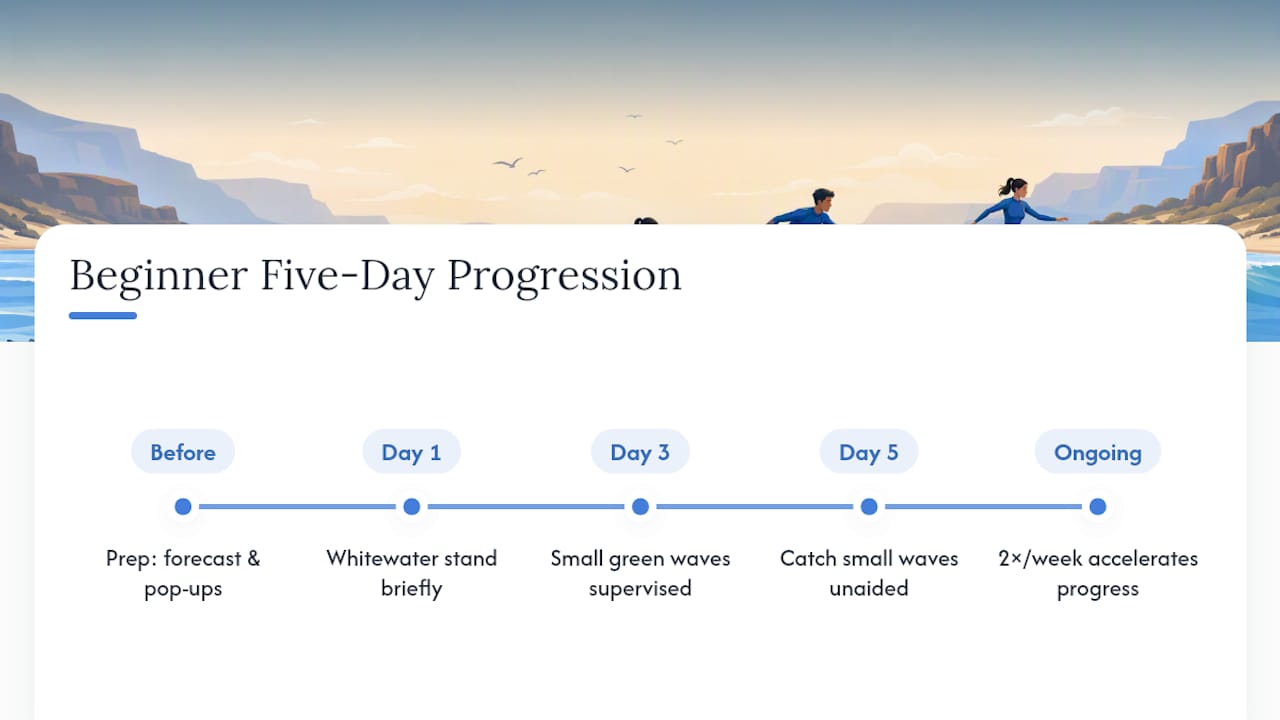
Fernando and the rest of the Ripar team walk visitors through this exact progression on the beach each morning, adjusting the plan to whichever sandbar is working that day.
What Actually Matters for a Beginner at This Beach
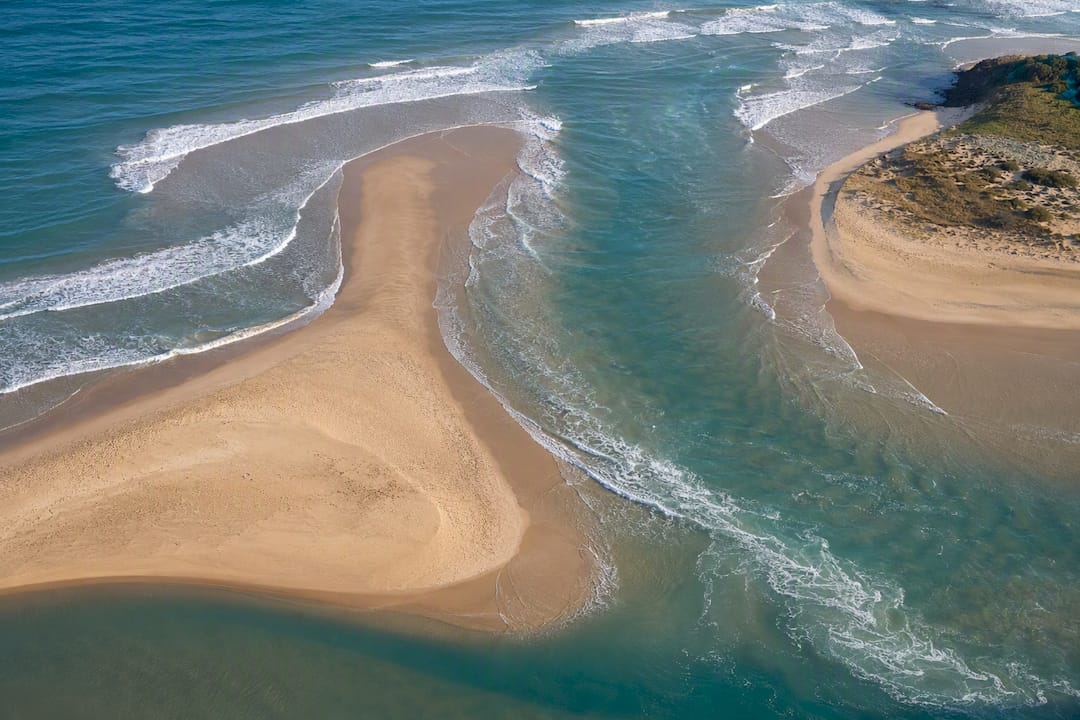
Most beginner advice online treats every beach the same, and that’s the biggest gap in how this topic gets covered. Areia Branca isn’t a generic beginner beach. It’s a river-mouth spot where the sandbar changes shape overnight, which means that the “good beginner day” you read about last week might not exist this week. That single detail gets left out of nearly every generic surf guide, and it’s the difference between a great first lesson and a frustrating one.
The conventional wisdom says buy a board, watch some videos, and paddle out. That approach ignores how much faster people learn with someone correcting their pop-up in real time, on the actual sandbar that’s working that morning. Multi-day packs compress months of trial and error into a week, largely because an instructor catches small mechanical errors before they turn into bad habits.
If there’s one thing to prioritize first, it’s patience before paddling. Watch the water, ask a local instructor what today’s conditions are actually doing, and only then decide whether it’s a whitewater day or a rest day.
— Fernando
Book a Beginner Lesson With Ripar Surf School
Ripar Surf School has been teaching on this stretch of coast since 2001, which means the instructors know which sandbar is working before you even check the forecast. Beginners can book a single lesson starting at €40, step up to a 5 or 10 lesson pack for faster progress, or go all in with a surf camp package that bundles lessons with lodging.

Every beginner lesson includes board and wetsuit rental, so there’s no need to guess at sizing before your first session. Before you book, confirm your meeting point on the beach and check the cancellation window in case the swell forecast changes. If the numbers you learned to read above look right for your travel dates, that’s your cue.
Book your surf lesson directly through Ripar Surf School and lock in your spot before the good sandbar days fill up.
Where to Check Conditions and Learn More
Praia da Areia Branca surf forecast for live swell, wind, and tide data.
Portugal’s government sports and culture page for official context on regulated sport activity.
Essential beginner surfing tips for land drills and whitewater progression basics.
Local guidance on hazard spotting before your first paddle-out.
Sources
FAQ
Is Areia Branca Good for Beginner Surfers?
Yes, when the swell is small, roughly under 1.5 meters of broken whitewater, the sandbars create a forgiving learning zone. Check a live forecast first, since bigger swell turns the same beach into intermediate terrain.
What Board Size Should a Beginner Use at Areia Branca?
A soft-top longboard or funboard between 8 and 9 feet, sized so its volume roughly matches your body weight in kilograms, helps beginners stand up faster with more stable paddling.
How Much Does a Beginner Surf Lesson Cost at Ripar Surf School?
A single Beginner Surf Lesson starts at €40, and Full-Day sessions run €70 per day according to Ripar Surf School’s price list. Multi-day packs and private lessons are also available with pricing listed on the same page.
What’s the Best Time of Year to Learn to Surf at Areia Branca?
Late spring through early fall tends to bring smaller, more consistent swell and warmer water, making it easier on beginners. Winter can still work on calm days, but it demands a thicker wetsuit and more careful forecast checking.
Do I Need Certification or Experience Before Booking a Lesson?
No prior experience is needed. Reputable schools work with instructors certified through the Portuguese Surf Federation and structure the first lesson around land drills and whitewater before any wave riding.
Recommended
Comments