

Why travel to Portugal for surfing as a beginner in 2026
- Fernando Antunes

- Mar 22
- 9 min read
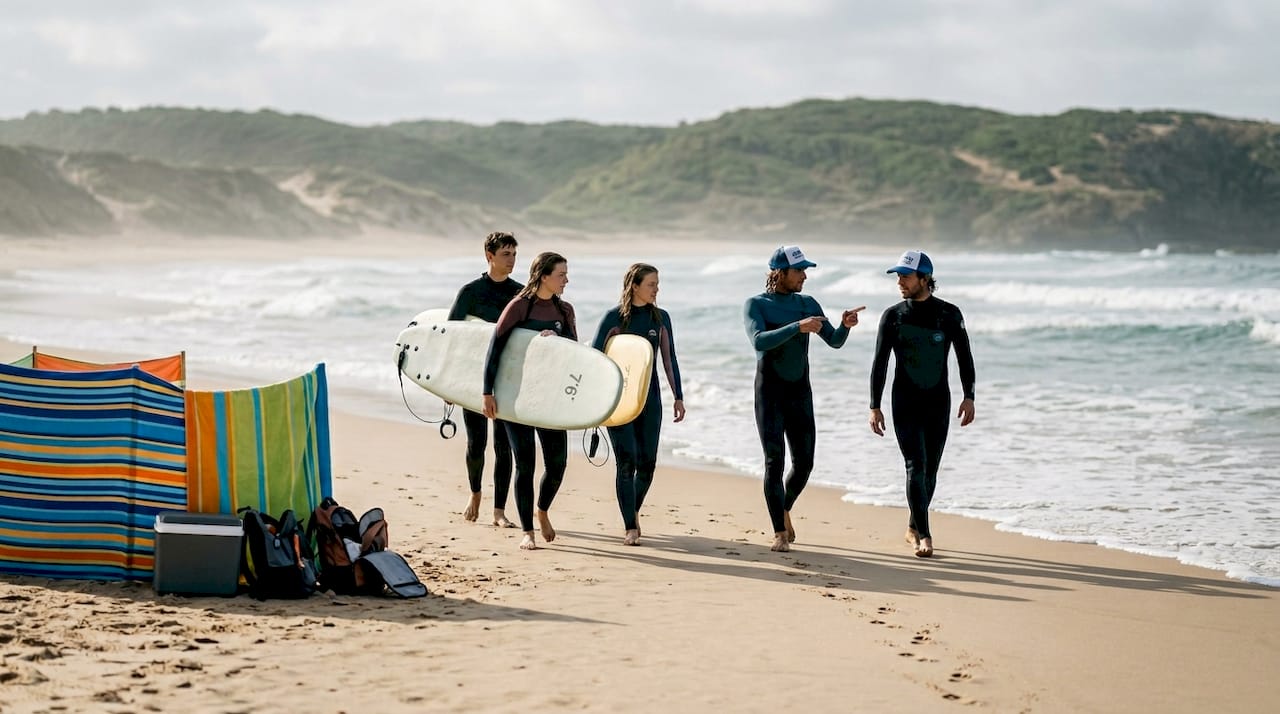
Most iconic surf destinations cater to experienced wave riders, leaving learner surfers and families struggling with dangerous conditions and sky-high costs. Portugal breaks this mold. Its gentle beach breaks, affordable all-inclusive packages, and welcoming fishing villages create the perfect environment for first-time surfers and families seeking authentic cultural immersion alongside skill development. This guide reveals why Portugal stands apart from crowded, expensive alternatives and how to maximize your learner-focused surf adventure across its diverse coastal regions.
Table of Contents
Key Takeaways
Point | Details |
Gentle training waves | Portugal offers forgiving beach breaks with sand bottoms and manageable energy ideal for first time surfers. |
All inclusive value | Surf camps in Portugal bundle lessons, equipment, lodging, and meals for under 500 euros per week. |
Safety focused coaching | Certified instructors tailor spots, pacing, and supervision to learner ability and crowd levels. |
Regional diversity | Different regions such as the Algarve and Ericeira offer year round learning conditions and distinct cultural experiences. |
Why Portugal is ideal for learner surfers and families
Portugal’s coastline delivers something rare in the surf world: waves that teach rather than punish. Unlike the powerful reef breaks in Hawaii or Australia that demand advanced skills and carry serious injury risk, Portugal offers consistent, forgiving beach breaks where sand bottoms cushion falls and wave energy remains manageable. This fundamental difference transforms the learning curve from intimidating to achievable.
The safety advantage extends beyond wave type. Portuguese surf schools employ certified instructors who understand learner psychology and physical limitations. They select spots based on daily conditions, student ability, and crowd levels rather than forcing everyone to the same beach. This adaptive approach means your first popup happens in waist-deep water with gentle rollers, not overhead sets that knock you sideways.
Cost represents another decisive factor. While surf destinations in France or Spain charge premium rates for basic instruction, Portugal’s surf camps bundle lessons, equipment, accommodation, and meals for under €500 per week. You get comprehensive support without the financial stress that plagues surf travel elsewhere. Families especially benefit from these packages, which eliminate the need to coordinate separate bookings for lodging, gear rental, and instruction.
The cultural dimension completes Portugal’s appeal. Former fishing villages like Praia Areia Branca have evolved into surf hubs while retaining authentic character. You’ll find local cafes serving fresh seafood, not tourist traps. Village residents welcome visitors warmly, creating a community atmosphere that enriches your experience beyond wave riding. Children connect with Portuguese culture naturally through shared meals and beach interactions, making the trip educational on multiple levels.
Key benefits for learner surfers:
Gentle wave energy averaging 1 to 2 meters during learner-friendly seasons
Sandy bottoms that prevent the cuts and injuries common at reef breaks
Instructor-to-student ratios that ensure personalized attention and safety monitoring
Video analysis sessions that reveal technique flaws invisible during the ride
Multi-day progression plans that build skills systematically rather than randomly
Pro Tip: The Algarve region combines the warmest water temperatures in Portugal with the gentlest wave conditions, making it perfect for families with young children or anyone nervous about cold water exposure.
Regional surf diversity and seasonality in Portugal
Portugal’s 800-kilometer Atlantic coastline segments into distinct surf regions, each offering unique advantages for learners at different times of year. Understanding these differences helps you match your skill level, temperature preferences, and travel dates to the ideal location.
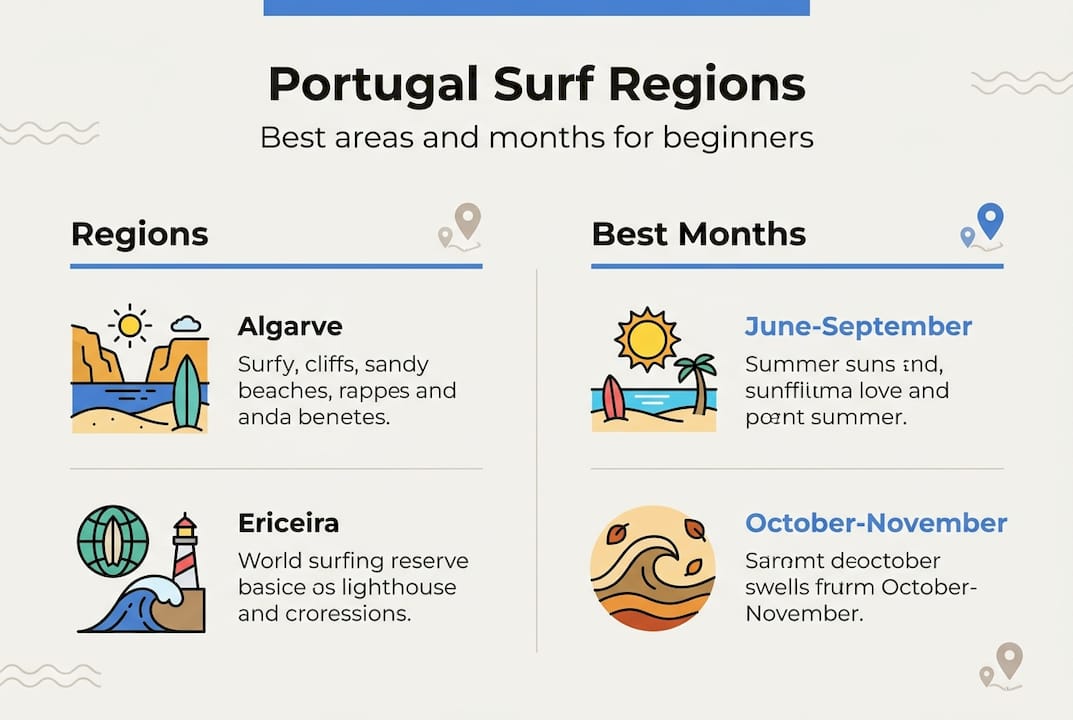
The Algarve occupies Portugal’s southern coast, where Mediterranean influence warms the water and moderates wave size. Summer swells here rarely exceed 1.5 meters, creating perfect conditions for first-time surfers and families. The region’s sheltered bays provide additional protection from wind, resulting in cleaner wave faces that make paddling and positioning easier. Water temperatures reach 20°C in summer, comfortable enough for extended sessions without thick wetsuits.
Ericeira sits north of Lisbon and holds World Surfing Reserve status for good reason. The town’s coastline features multiple breaks within walking distance, allowing instructors to choose spots based on daily swell direction and student ability. Diverse regions like Ericeira offer consistent conditions year-round, though autumn and spring deliver the most reliable waves for learners. The variety means you can progress from protected coves to more exposed points as skills develop.
Peniche extends into the Atlantic on a peninsula, creating surf spots on multiple coastlines. This geography provides options regardless of wind direction or swell angle. Beginners start at Baleal’s sandy beach breaks, while the famous Supertubos remains visible as an aspirational goal. The region’s surf houses cluster near multiple breaks, minimizing travel time between accommodation and water.
Region | Wave Height | Water Temp | Best Season | Crowd Level | Cultural Features |
Algarve | 1 to 1.5m | 18 to 22°C | May to September | Low to moderate | Historic fishing villages, seafood cuisine |
Ericeira | 1 to 2m | 15 to 19°C | March to November | Moderate to high | World Surf Reserve, artistic community |
Peniche | 1 to 3m | 14 to 18°C | Year-round | High in summer | Fortress history, fresh fish markets |
Regional highlights:
Algarve’s Praia da Rocha offers beginner-friendly waves with nearby cliff formations for dramatic photos
Ericeira’s Foz do Lizandro provides consistent learner conditions with easy beach access and parking
Peniche’s Baleal connects to mainland by narrow isthmus, creating protected waves on both sides
Each region maintains distinct cultural identity beyond surf tourism appeal
Seasonal timing dramatically affects your experience. Summer brings warmth and smaller swells ideal for absolute beginners, but also peak tourist crowds. Spring and autumn deliver more consistent wave energy suitable for progressing learners while maintaining manageable size. Winter swells grow too large for beginners at exposed breaks, though sheltered spots remain accessible.
Pro Tip: Off-season surfing in Algarve and Peniche grants access to less crowded beaches and deeper local immersion, with accommodation costs dropping 30 to 40 percent compared to July and August rates. The Underdog Surf Camp specializes in these shoulder season experiences.
Managing crowds and maximizing your surf travel experience
Crowd management separates mediocre surf trips from transformative ones. Even Portugal’s learner-friendly breaks face congestion during peak season, particularly at accessible spots near major towns. Understanding crowd patterns and mitigation strategies ensures you spend more time riding waves than waiting for position.
Peniche exemplifies the crowding challenge. Its reputation attracts surfers from across Europe, creating lineup bottlenecks at popular breaks during July and August. Research shows overcrowding at peak season spots like Peniche, though proper management makes it tolerable. Surf schools address this through zoning strategies, allocating beginners to specific breaks while directing advanced students elsewhere. This separation prevents collisions and reduces intimidation factors that plague mixed-ability lineups.
Timing your sessions strategically makes enormous difference. Most casual surfers hit the water between 10am and 2pm, creating peak congestion. Early morning sessions at sunrise or late afternoon before sunset offer emptier lineups and often better conditions as wind typically increases midday. Your instructor will know these patterns and schedule accordingly.
Best practices for avoiding crowds:
Book travel during shoulder seasons (April to May or September to October) when swell remains consistent but tourist numbers drop
Choose less famous regions like Praia Areia Branca over Peniche or Ericeira for your first days
Work with surf schools that use multiple break locations and adjust daily based on conditions
Stay flexible with surf times, accepting early starts or evening sessions when beaches empty
Consider weekday lessons rather than weekend sessions when local surfers flood popular spots
Combining activities optimizes your trip beyond pure surf time. Portugal’s coastal regions offer hiking, cultural tours, and wellness activities that complement wave riding. Surf and yoga programs particularly benefit learners by improving flexibility, balance, and mental focus while providing active recovery between sessions. The combination prevents burnout and maintains enthusiasm across multi-day trips.
Local guidance proves invaluable for crowd avoidance. Instructors know hidden gems and secondary breaks that tourists miss. They understand swell patterns and can predict which spots will fire while others remain flat or blown out. This expertise transforms your experience from hit-or-miss to consistently productive.
Pro Tip: Combining surf lessons with yoga sessions optimizes recovery and maintains focus during busy travel periods, with many schools offering integrated packages that balance physical intensity with restorative practice.
How to choose and book your perfect surf experience in Portugal
Selecting the right surf package requires matching your skill level, budget, and preferences to available options. Portugal’s surf industry offers everything from bare-bones lessons to luxury all-inclusive experiences, making informed comparison essential.
Package components vary significantly between providers. Basic offerings include instruction and equipment rental only, requiring you to arrange accommodation and meals separately. Mid-tier packages bundle lodging with lessons, while premium options add meals, airport transfers, and supplementary activities. Understanding what’s included prevents budget surprises and ensures your needs are met.
Package Type | Lesson Hours | Gear Included | Meals | Accommodation | Typical Price |
Basic | 10 to 12 | Wetsuit, board | None | None | €200 to €300 |
Standard | 15 to 20 | Full equipment | Breakfast | Shared room | €400 to €500 |
Premium | 20 to 25 | Full equipment + extras | All meals | Private room | €700 to €900 |
Steps to choose your ideal surf experience:
Assess your current skill level honestly, from never stood on a board to can catch unbroken waves consistently
Identify your preferred region based on seasonality, temperature preferences, and cultural interests
Set a realistic budget including lessons, accommodation, meals, and incidental expenses
List must-have amenities like private rooms, dietary accommodations, or non-surf activities
Research school credentials, instructor certifications, and student reviews for safety and quality assurance
Book online early to secure preferred dates and potentially access early-bird discounts
Group surf lessons offer distinct advantages for learners and families. The social dynamic creates camaraderie and mutual encouragement that private lessons lack. You’ll learn from watching others’ mistakes and successes, accelerating your understanding of technique. Cost savings reach 40 to 50 percent compared to private instruction, making extended trips more affordable.
Hospitality-focused schools in Praia Areia Branca and Peniche distinguish themselves through comprehensive support beyond wave riding. These providers understand that surf trips involve logistics, cultural navigation, and personal comfort alongside skill development. They offer local recommendations, arrange transportation, and create community atmospheres where solo travelers and families alike feel welcomed.
Surf lessons in Portugal emphasize progression through structured curricula rather than random wave catching. Expect daily briefings on ocean conditions, technique focus areas, and safety protocols. Video analysis sessions reveal your actual body position versus what you felt during the ride, creating aha moments that accelerate improvement. Multi-day programs build systematically from prone paddling through popup timing to wave selection and positioning.
Pro Tip: Book group lessons for cost savings and social learning, especially for families or beginners who benefit from shared experience and mutual encouragement throughout the learning process.
Plan your Portugal surf adventure with Ripar Surf School
Turning surf dreams into reality requires partnering with experienced providers who understand learner needs and deliver consistent quality. Ripar Surf School has operated from Praia Areia Branca since 2001, building expertise in beginner instruction and family-focused programs that combine skill development with authentic Portuguese cultural immersion.
Their flexible lesson packages accommodate varying schedules and budgets, from single sessions to week-long intensives. The online booking system provides transparent pricing and instant confirmation, eliminating the uncertainty that plagues surf travel planning. Group lessons create supportive learning environments where families and solo travelers connect through shared challenges and victories.
Praia Areia Branca’s small village atmosphere offers advantages beyond surf conditions. You’ll experience genuine Portuguese hospitality in local cafes and restaurants rather than tourist-focused establishments. The beach remains accessible yet uncrowded compared to famous spots, providing ideal conditions for focused learning without lineup stress. Early booking secures spots during popular travel periods and enables custom package requests tailored to your specific needs.
FAQ
Is Portugal a safe place for new surfers?
Yes, Portugal ranks among the safest surf destinations globally for beginners. The predominant beach breaks feature sandy bottoms that cushion falls and prevent the cuts common at reef locations. Certified instructors maintain high safety standards, conducting thorough briefings and monitoring students closely in the water. School zoning separates learner areas from advanced breaks, eliminating collision risks with experienced surfers.
When is the best time to visit Portugal for surfing as a beginner?
Summer months from June through September offer the warmest water and smallest, most forgiving waves in the Algarve region, perfect for absolute beginners and families with children. Ericeira provides consistent year-round conditions, with spring and autumn delivering reliable swells without summer crowds. Your ideal timing depends on temperature tolerance and whether you prioritize gentle conditions or moderate wave energy for faster progression.
How do surfing lessons in Portugal compare to other destinations?
Portuguese surf instruction stands out through daily video feedback that reveals technique flaws invisible during rides, accelerating your improvement curve significantly. Instructors select varied spots based on conditions and student ability rather than using a single location regardless of suitability. Affordable packages include comprehensive learner support, equipment, and often accommodation, contrasting with crowded, expensive alternatives in Hawaii, Australia, or even nearby France.
Can families with children find suitable surf camps in Portugal?
Absolutely. Many schools offer family-focused surf camps designed around safe beginner waves and age-appropriate instruction that keeps children engaged and progressing. The structured lesson format provides parents peace of mind while kids develop water confidence and board skills. Local village culture and beach community immersion create enriching experiences beyond surfing, with children naturally connecting to Portuguese traditions through shared meals and cultural interactions.
Recommended
Comments