

Surf lesson planning guide for beginners in Portugal

Updated: Mar 22
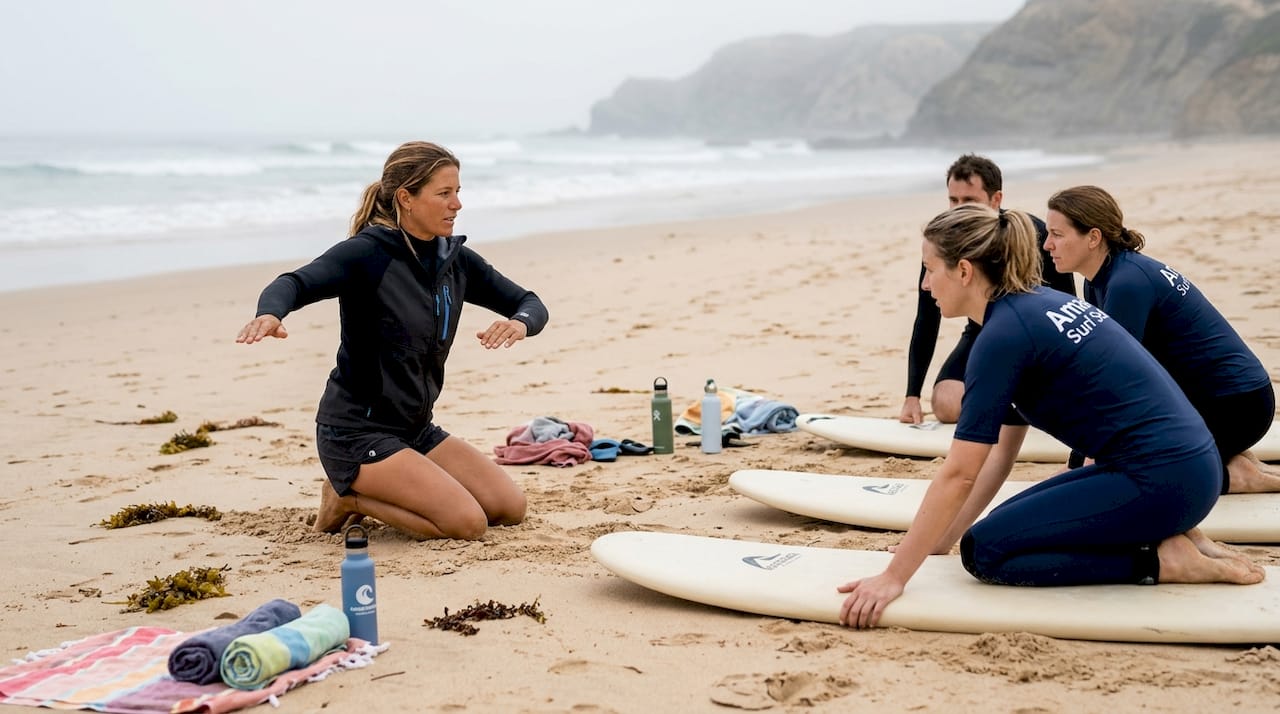
Planning your first surf lessons in Portugal can feel overwhelming. You’re excited about riding waves along the Atlantic coast, but questions pile up: Which surf spot matches your skill level? What gear do you actually need? How do you book the right lessons without wasting time or money? Portugal’s coastline stretches over 800 kilometers with countless surf schools, making the choice paralyzing for beginners and intermediates. This guide walks you through every step of organizing surf lessons and maximizing your experience, from selecting the perfect beach to booking with local schools that understand your learning needs.
Table of Contents
Key Takeaways
Point | Details |
Level appropriate spots | Select surf spots that match your skill level to maximize safety and learning progress. |
Right school and location | Plan ahead by selecting a reputable surf school and a beach near your accommodation. |
Plan logistics ahead | Check travel times, book lessons early, and confirm gear and schedule with your provider. |
Understand lesson formats | Review whether lessons are group or private, duration, and progress checks before booking. |
Pack wetsuit and essentials | Be prepared for cool water year round and verify wetsuit thickness with your school for your travel dates. |
Choosing the right surf spots for your skill level in Portugal
Having understood the importance of planning, now choose surf spots that match your skill for the best lesson environment. Portugal’s diverse coastline serves every level, but beginners and intermediates need different wave conditions to progress safely. Picking the wrong spot wastes lesson time and creates frustration.
Beginner surf spots feature gentle, rolling waves that break consistently over sandy bottoms. These forgiving conditions let you practice standing up and balance without fighting powerful currents or sharp rocks. Top Portugal spots for beginners include Baleal at Cantinho da Baía, Lagos and Algarve beaches, Matosinhos near Porto, and Costa da Caparica south of Lisbon. These locations offer surf schools right on the beach, warm-up areas, and instructors who specialize in first-timers.
Intermediate surfers need more challenging conditions to develop turning skills and wave reading. Once you can consistently catch unbroken waves and execute basic maneuvers, spots like Lagide and Molhe Leste near Peniche provide the perfect progression. The Algarve’s green waves during shoulder seasons offer clean faces for practicing cutbacks and bottom turns without the crowds of peak summer.
Local conditions shift dramatically with seasons and tides. Summer months from June through September deliver smaller, cleaner waves ideal for beginners, while autumn and winter bring powerful Atlantic swells better suited to experienced intermediates. Always check daily surf reports and consult your chosen school about current conditions before committing to a specific beach.
Key considerations when selecting your surf spot:
Wave consistency throughout your lesson schedule
Sandy bottom versus rocky reef for safety
Proximity to your accommodation to minimize travel time
Availability of surf schools with certified instructors
Crowd levels that allow space for learning
Shelter from wind for cleaner wave faces
Knowing the spot matched to your level improves learning and safety while building confidence faster than struggling in inappropriate conditions.
Preparing for your surf lessons: what to know and pack
Once you’ve picked your ideal spot, prepare yourself and your gear to get the most from your lessons. Physical readiness and proper equipment separate frustrating sessions from breakthrough moments. Many beginners underestimate Portugal’s Atlantic conditions and arrive unprepared.
Portugal’s coastal waters stay cool year-round, ranging from 59°F in winter to 68°F in summer. You’ll need a wetsuit even during August. Most surf schools provide wetsuits as part of lesson packages, but verify thickness requirements for your travel dates. Spring suits work for summer, while 4/3mm or 5/4mm full suits become necessary from October through May.
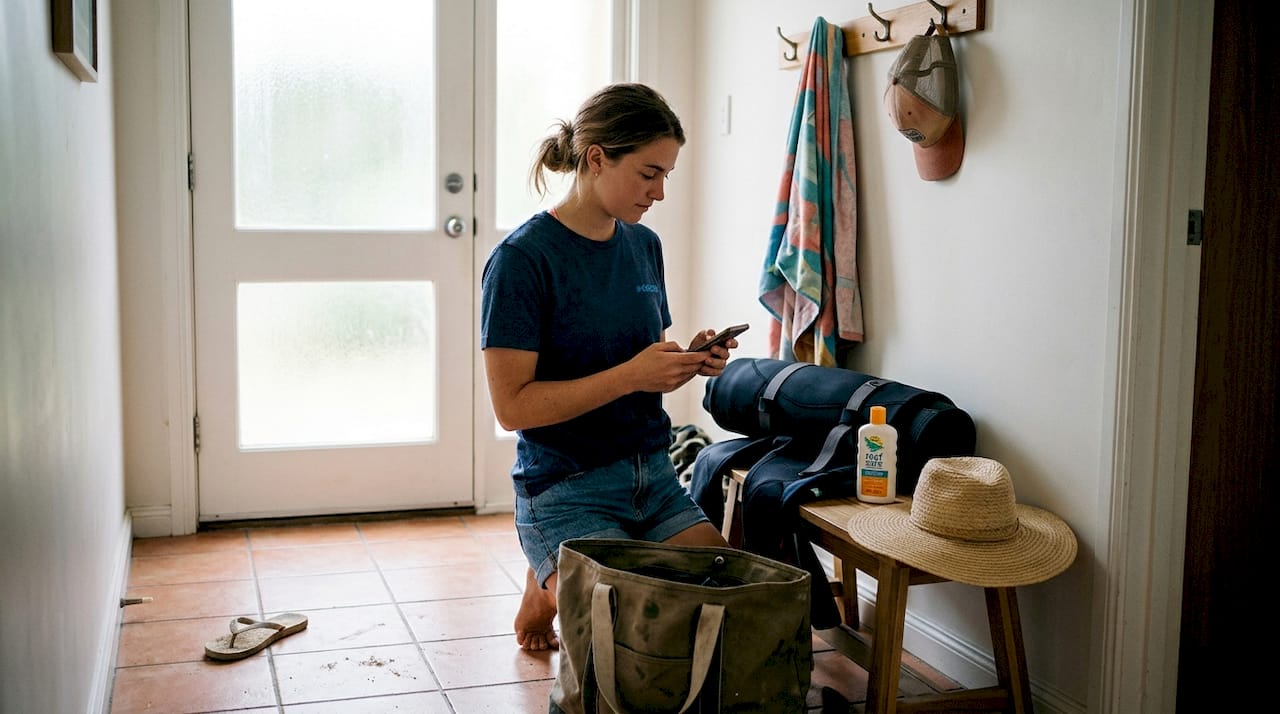
Physical preparation makes a massive difference in how quickly you progress. Surfing demands paddling endurance, core stability, and explosive pop-up movements. Start a basic fitness routine three weeks before your trip focusing on push-ups, planks, and swimming if possible. Surf yoga programs combine flexibility training with surf-specific movements, preparing your body for the unique demands of wave riding.
Mental readiness matters just as much as physical conditioning. Your first attempts will involve swallowing saltwater, getting tumbled by whitewater, and falling repeatedly. Embracing this learning curve with patience and humor transforms potential frustration into enjoyable challenges. Instructors notice when students arrive with realistic expectations and positive attitudes.
Essential items to pack for surf lessons:
Reef-safe sunscreen to protect skin and marine ecosystems
Quick-dry towel for post-session comfort
Reusable water bottle to stay hydrated between sets
Healthy snacks for energy during multi-hour sessions
Rash guard for extra sun protection under wetsuits
Waterproof phone case to capture memories safely
Pro Tip: Apply sunscreen 30 minutes before your lesson and reapply after each session. The Portuguese sun reflects intensely off water and sand, causing burns even on cloudy days. Zinc-based formulas stay on better when you’re constantly wet.
Most schools provide surfboards matched to your size and skill level, so don’t stress about equipment unless you already own gear. Soft-top foam boards offer the safest learning platform for beginners, while intermediates progress to fiberglass shortboards as technique improves.
Booking and maximizing your surf lessons with a local school
With preparation done, learn how to efficiently book and navigate your lessons for a rewarding surf experience. The booking process seems straightforward, but understanding lesson structures and school offerings helps you extract maximum value from your investment.
Follow these steps to book effectively:
Research schools in your chosen surf spot area by reading recent reviews and checking instructor certifications
Compare lesson formats, group sizes, and what’s included in pricing
Select between group lessons, private instruction, or multi-day surf camp packages
Reserve online at least two weeks ahead during peak season to secure preferred time slots
Confirm wetsuit sizes and any equipment needs when booking
Ask about cancellation policies in case weather conditions become unsafe
Local surf schools offer group and private lessons suited for beginners and intermediates, often combining accommodation packages that simplify logistics. Understanding the differences between formats helps match your learning style and budget.
Group lessons typically include 4-8 students per instructor, creating social learning environments where you observe others’ techniques and build friendships. These sessions cost less per person and work brilliantly for beginners who benefit from watching peers attempt the same skills. The energy of a group often motivates students to push through initial challenges together.
Private lessons provide personalized feedback addressing your specific weaknesses, accelerating progress for intermediates ready to refine techniques. One-on-one instruction costs more but delivers concentrated attention that can advance your surfing by months in just a few sessions. Consider splitting the difference with semi-private lessons for you and a friend.
Surf camps combine daily lessons with accommodation, meals, and evening activities, creating immersive week-long experiences. These packages eliminate accommodation hunting and provide built-in surf communities. Camps work especially well for solo travelers seeking instant friend groups and structured learning progressions.
Lesson format comparison:
Format | Students per Instructor | Best For | Typical Duration | Price Range |
Group Lesson | 4-8 | Beginners, social learners | 2 hours | €30-50 per session |
Semi-Private | 2-3 | Friends learning together | 2 hours | €50-80 per person |
Private Lesson | 1 | Intermediates refining skills | 1.5-2 hours | €80-120 per session |
Surf Camp | Varies | Week-long immersion | 5-7 days | €400-800 full package |
Pro Tip: Book morning lessons when winds stay calm and crowds remain lighter. Afternoon sessions often face choppy conditions as thermal winds pick up, making wave reading harder for beginners. Early starts also leave afternoons free for exploring Portugal’s coastal towns and recovering before the next day.
Knowing lesson formats and schedules helps you plan your holiday time around optimal surfing conditions while leaving space for rest and cultural experiences.
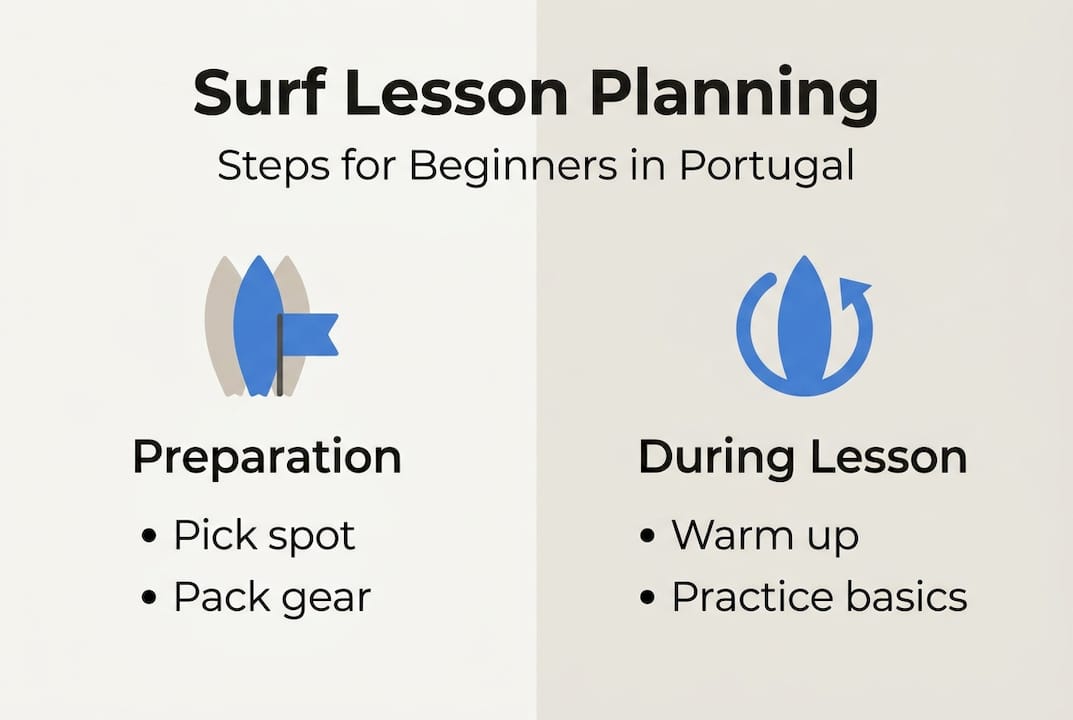
Common mistakes and tips for a successful surf holiday in Portugal
Knowing how to book lessons is vital, but avoiding common errors ensures your surf holiday meets expectations. Even well-planned trips encounter pitfalls that derail learning and enjoyment. Recognizing these mistakes before departure saves frustration.
The biggest error beginners make involves misjudging wave conditions or skipping warm-ups, leading to common injuries and frustration among learners. Arriving at the beach and immediately paddling out without stretching or listening to instructor safety briefings increases pulled muscles and dangerous situations. Always arrive 15 minutes early to warm up properly.
Rushing your progress creates another frequent problem. Surfing demands thousands of repetitions to build muscle memory for pop-ups, balance adjustments, and wave timing. Students who expect to stand up perfectly after one lesson set themselves up for disappointment. Embrace the learning curve and celebrate small victories like successfully paddling into a wave or maintaining balance for three seconds.
Neglecting surf etiquette damages both your experience and local surf culture. Portugal’s breaks have established lineups and right-of-way rules that prevent collisions and conflicts. Dropping in on someone already riding a wave or paddling directly through the impact zone marks you as disrespectful and unsafe. Your instructor will teach basic etiquette, so pay attention and follow their guidance.
Common pitfalls to avoid:
Booking lessons during unsuitable weather without checking forecasts
Ignoring tide charts that dramatically affect wave quality at your chosen spot
Underestimating how exhausting paddling becomes after 30 minutes
Wearing jewelry or watches that snag wetsuits or cause injuries
Skipping post-session stretching that prevents next-day soreness
Choosing accommodations far from surf spots, wasting time commuting
“The ocean teaches patience better than any instructor. Students who fight the learning process struggle for months, while those who relax and enjoy each session progress naturally within weeks.” – Experienced surf instructor
Planning accommodations near surf spots minimizes commuting stress and maximizes time in the water. Surf houses and camps located within walking distance of beaches let you check conditions multiple times daily and catch optimal tide windows without driving.
Respecting the local environment enriches your experience beyond just surfing skills. Portugal’s coastal ecosystems support diverse marine life that thrives when visitors use reef-safe products and avoid littering. Many surf schools incorporate environmental education into lessons, teaching students to appreciate and protect the ocean that provides such incredible experiences.
Patience with your progress transforms potential frustration into genuine enjoyment. Every surfer, including professionals, spent months falling and swallowing water while learning fundamentals. Your progression timeline depends on fitness, natural balance, lesson frequency, and wave conditions, not just effort. Trust the process and focus on small improvements each session.
Discover premier surf lessons and camps in Portugal
Having learned how to plan and avoid mistakes, the next step is booking with trusted local surf schools that deliver professional instruction in Portugal’s best beginner and intermediate locations. Finding the right school transforms your surf holiday from a series of lessons into a comprehensive cultural and athletic experience.
Ripar Surf School has guided students through their surfing journeys since 2001, combining certified instruction with authentic Portuguese coastal culture in Praia Areia Branca. Located near Peniche and Ericeira, the school specializes in creating personalized learning experiences for beginners and intermediates seeking genuine progression rather than tourist entertainment. Book your lessons online to secure spots during your travel dates, choosing from flexible group sessions or intensive surf camp packages that include accommodation and daily instruction. The intimate beach village setting provides direct access to multiple surf breaks suited for different skill levels, letting instructors match daily conditions to your learning needs while you enjoy Portugal’s relaxed coastal lifestyle between sessions.
Surf lesson planning guide FAQs
How do I choose the right surf lesson type for my skill level?
Beginners should start with group lessons that teach fundamental techniques like paddling, pop-ups, and wave timing in a supportive social environment. Intermediates benefit more from private or semi-private sessions that address specific weaknesses in turning, positioning, or wave selection. If you can already catch and ride unbroken waves consistently, private instruction accelerates your progression toward advanced maneuvers.
What should I pack for surf lessons in Portugal?
Bring reef-safe sunscreen, a quick-dry towel, reusable water bottle, healthy snacks, and a rash guard for extra sun protection. Most schools provide wetsuits and surfboards, so verify what’s included when booking. Pack a waterproof phone case if you want photos, and always bring layers for after sessions since ocean winds can feel chilly even in summer.
When is the best time to surf for beginners in Portugal?
Summer months from June through September offer the most beginner-friendly conditions with smaller, cleaner waves and warmer water temperatures. Spring and autumn provide good learning conditions with fewer crowds but require thicker wetsuits. Winter brings powerful swells better suited to experienced intermediates and advanced surfers.
Can I join group surf lessons as a complete beginner?
Absolutely, group lessons are designed specifically for beginners with no prior experience. Instructors group students by similar skill levels and provide beach-based instruction before entering the water. You’ll learn safety basics, paddling techniques, and pop-up mechanics alongside others at your level, creating a supportive learning environment.
Are wetsuits necessary year-round in Portugal?
Yes, Portugal’s Atlantic waters stay cool throughout the year, ranging from 59°F in winter to 68°F in summer. Summer sessions require 3/2mm spring suits or shorties, while autumn through spring demands 4/3mm or 5/4mm full suits for comfort and safety. Most surf schools include wetsuit rentals in lesson pricing, so you don’t need to purchase your own for a short holiday.
Recommended
Comments