

Nature Connected Holiday Tips for Mindful Travelers


TL;DR:
Sustainable travel focuses on responsible, eco-friendly experiences that deepen connections with nature and local communities. Choosing rail transportation, booking certified eco-accommodations, and engaging in mindful outdoor activities enhance genuine environmental bonds. Slowing down and disconnecting help travelers absorb local ecosystems and cultural rhythms more fully.
Nature connected holiday tips are actionable steps travelers use to create immersive, sustainable, and mindful outdoor vacations that foster authentic bonds with the environment. The standard industry term for this approach is “ecotourism,” defined by the Global Sustainable Tourism Council as responsible travel to natural areas that conserves the environment and improves local wellbeing. Over 80% of travelers say sustainability matters when planning a vacation. That number signals a genuine shift in how people think about holidays, not just a trend. Whether you are planning a wilderness retreat, a coastal surf camp, or a forest immersion, the principles below apply directly.
1. How to choose eco-friendly transportation for nature-connected trips
Transportation is the single largest source of carbon emissions in most vacations. Train travel produces 80–90% less CO2 per passenger than flying the same distance. That gap is significant enough to make rail the default choice for any nature-focused trip where routes exist.
When flying is unavoidable, book direct flights. Takeoffs and landings burn the most fuel, so every layover you eliminate cuts your footprint meaningfully. Once you arrive, rent a bicycle or use local buses to reach trailheads and beaches rather than hiring private cars.
The slow travel model takes this further. Staying in one region for two or more weeks reduces transit emissions and gives you time to actually know a place. You stop skimming the surface and start noticing the tidal patterns, the local market rhythms, and the birds that appear at dusk. That depth of engagement is what separates a nature-connected trip from a standard sightseeing tour.
Pro Tip: Plan your itinerary around one central base rather than multiple destinations. You will spend less time in transit and more time outdoors.
2. Selecting sustainable accommodations that enhance nature connection
Accommodation choice shapes your entire experience. Independently owned hotels and guesthouses typically have a 40–50% lower carbon footprint than large chain hotels. They also keep money inside the local economy, which directly supports the communities and ecosystems you came to experience.
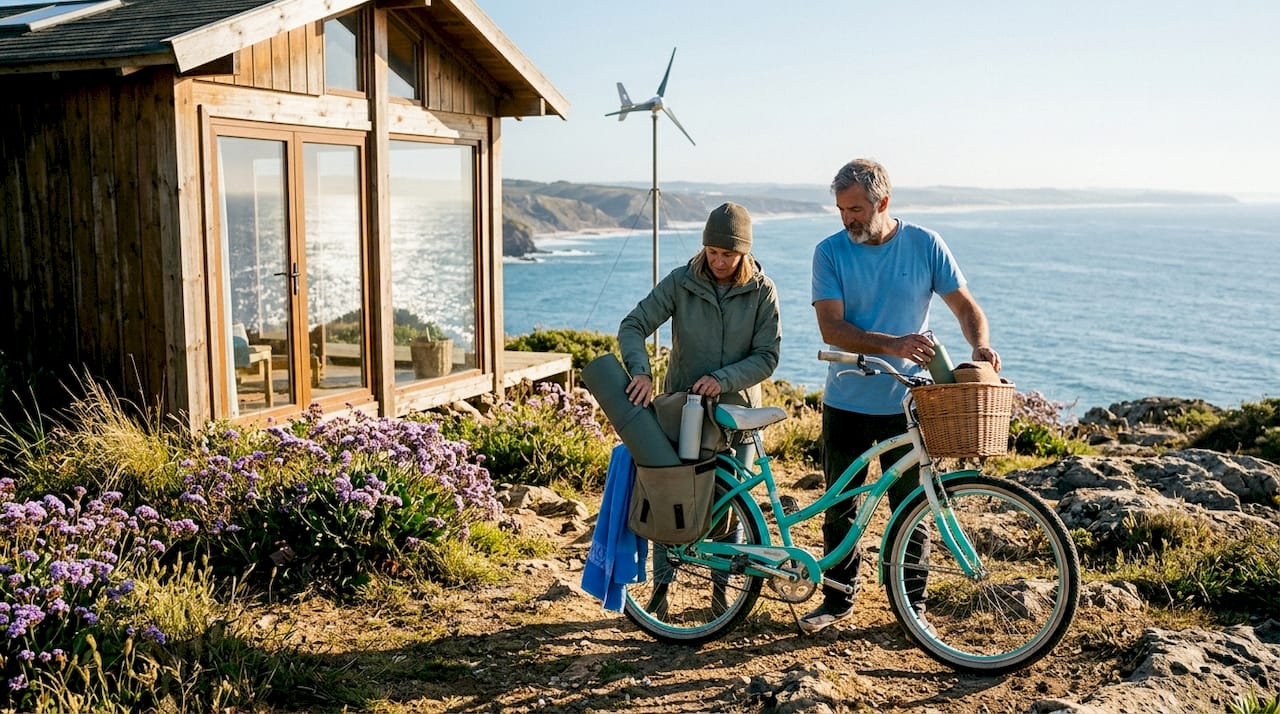
Certifications matter when evaluating eco-credentials. Look for properties carrying EarthCheck or Green Key certification. These programs require third-party audits, not just self-reported claims. A hotel that calls itself “green” without external verification is making a marketing statement, not a commitment.
Eco-lodges, family-run guesthouses, and surf camps positioned close to natural areas offer something large resorts cannot: immediate access to the outdoors. Waking up 50 meters from the ocean or a forest trail changes how you spend your mornings. You walk outside instead of heading to a lobby. That physical proximity is one of the most underrated nature connected holiday tips in practice.
Pro Tip: Search the Green Key and EarthCheck directories directly rather than relying on hotel booking platforms, which often display unverified sustainability badges.
Riparsurfschool operates from Praia Areia Branca, a small beach village near Peniche, Portugal. The location itself functions as a sustainability feature: no mass tourism infrastructure, direct beach access, and a community-oriented atmosphere that large resorts cannot replicate. Read more about staying near local surf spots and why proximity to nature changes the quality of your holiday.
3. Planning mindful outdoor activities to deepen your nature connection
The most restorative nature trips are built around intentional experiences, not packed schedules. Transformative experiences come from intentional disconnection: stillness, journaling, and mindful observation rather than constant movement. That insight runs counter to how most people plan vacations, but it is consistently supported by travelers who report the deepest satisfaction.
Here are specific activity types that build genuine nature connection:
Guided nature walks with a local naturalist who can name plants, read animal tracks, and explain seasonal changes. This context transforms a walk into an education.
Forest bathing (shinrin-yoku), a Japanese practice of slow, sensory immersion in woodland environments. No hiking pace required. The goal is presence, not distance.
Wildlife observation at dawn and dusk. Aligning activities with natural rhythms like sunrise and sunset deepens nature connection and supports mental wellbeing. Most wildlife is most active at these hours.
Outdoor yoga or breathwork in natural settings. Riparsurfschool offers surf yoga sessions at Praia Areia Branca that combine ocean awareness with physical grounding.
Journaling and sketching. Physical tools for stillness, like journals and sketchbooks, support genuine mental reset in ways that phone cameras do not.
Community-based ecotourism. Joining a local conservation project, a traditional fishing trip, or a guided foraging walk connects you to cultural rhythms alongside natural ones.
Pro Tip: Schedule at least one full morning with no planned activity. Sit outside, watch the light change, and let the environment set the pace. Most travelers report this unstructured time as the most memorable part of their trip.
4. Supporting local communities and ecosystems through responsible travel
Responsible travel means shifting from consumption to contribution. Community-based ecotourism actively funds conservation efforts, including habitat protection and wildlife monitoring. When you choose a locally run tour over a multinational operator, your money stays in the region and often flows directly into environmental programs.
Practical steps include:
Eat at locally owned restaurants that source ingredients from nearby farms and fishing communities. This reduces food transport emissions and supports agricultural biodiversity.
Buy crafts and products directly from makers, not airport gift shops. The economic multiplier effect of direct purchases is substantially higher for local producers.
Follow posted wildlife guidelines without exception. Feeding animals, leaving marked trails, or approaching nesting sites disrupts ecosystems regardless of intent.
Choose low-impact activities over high-impact ones. A kayak tour causes less disturbance than a motorboat excursion in the same habitat.
Off-season visits allow deeper immersion, fewer crowds, and more genuine engagement with locals and wildlife. The weather may be less predictable, but the experience is consistently more authentic. 42% of travelers now plan trips outside peak seasons for exactly this reason.
5. Essential packing and mindset tips for a regenerative nature holiday
What you bring shapes what you notice. Packing for a nature-connected trip means prioritizing items that support presence and reduce waste, not items that replicate the comforts of home.
Reusable water bottle and food containers. Single-use plastic is the most visible form of traveler pollution in natural areas.
A physical journal and pencils. Locations that naturally force a slower pace produce the deepest psychological reset. A journal extends that reset by giving you a place to process what you observe.
Layered, natural-fiber clothing. Merino wool and organic cotton regulate temperature across weather changes without synthetic off-gassing. Comfort in variable conditions keeps you outdoors longer.
Eco-certified personal care products. Reef-safe sunscreen and biodegradable soap matter most near water systems and sensitive habitats.
A physical map of your destination. Navigating without a phone screen forces you to read the landscape rather than a GPS arrow.
The mindset component is equally concrete. Shoulder season travel brings unpredictable weather but more genuine engagement with place and culture. Accepting that variability before you leave removes the frustration that derails presence. Set a clear digital detox boundary: specific hours or full days without screens. The slow luxury travel model defines this as choosing fewer, more meaningful experiences over a packed itinerary, and the evidence from travelers who practice it is consistent.
Pro Tip: Leave one full day in your itinerary as a buffer with no bookings. Use it to follow whatever the environment offers: a local festival, a sudden clear sky, a tide pool you did not expect.
Key takeaways
Nature-connected holidays deliver their deepest value when travelers prioritize sustainability, intentional slowness, and genuine local engagement over activity volume.
Point | Details |
Choose rail over air | Train travel produces 80–90% less CO2 per passenger than flying the same distance. |
Book certified eco-lodgings | Look for EarthCheck or Green Key certification to verify real sustainability standards. |
Plan around natural rhythms | Schedule key activities at dawn and dusk for stronger wildlife encounters and mental wellbeing. |
Shift from consumption to contribution | Support community-based ecotourism that funds conservation and keeps money in local economies. |
Pack for presence, not comfort | Bring journals, reusable gear, and natural-fiber clothing to stay outdoors longer and reduce waste. |
What I have learned from slowing down in nature
Most travelers I talk to describe their best trip as the one where something went unexpectedly slow. A missed connection that forced a night in a small town. A rainy day that kept them in a café talking to locals for hours. The irony is that they rarely plan for that kind of experience. They plan against it.
The conventional wisdom in travel planning is to maximize destinations per trip. I think that is exactly wrong for anyone seeking genuine nature connection. The more you move, the less you absorb. A week in one coastal village teaches you more about tidal ecology, local food systems, and your own nervous system than two weeks of airport-to-airport movement across five countries.
The digital detox piece is harder than people expect. Most travelers intend to disconnect and spend the first two days checking their phones out of habit. The shift happens around day three, when the environment starts to fill the attention that the screen used to occupy. That is when the real holiday begins.
What I have found consistently is that the travelers who return most restored are the ones who treated their trip as a form of listening rather than doing. They watched the light change. They ate slowly. They asked local guides questions and then stayed quiet long enough to hear the full answer. That posture is available on any nature-connected trip, regardless of budget or destination. It just requires a deliberate choice before you leave.
— Fernando
Nature-connected surf holidays at Riparsurfschool
Riparsurfschool has operated from Praia Areia Branca, near Peniche and Ericeira, since 2001. The location sits inside one of Europe’s most consistent surf zones, a small beach village with direct ocean access and none of the infrastructure that separates travelers from the natural environment.
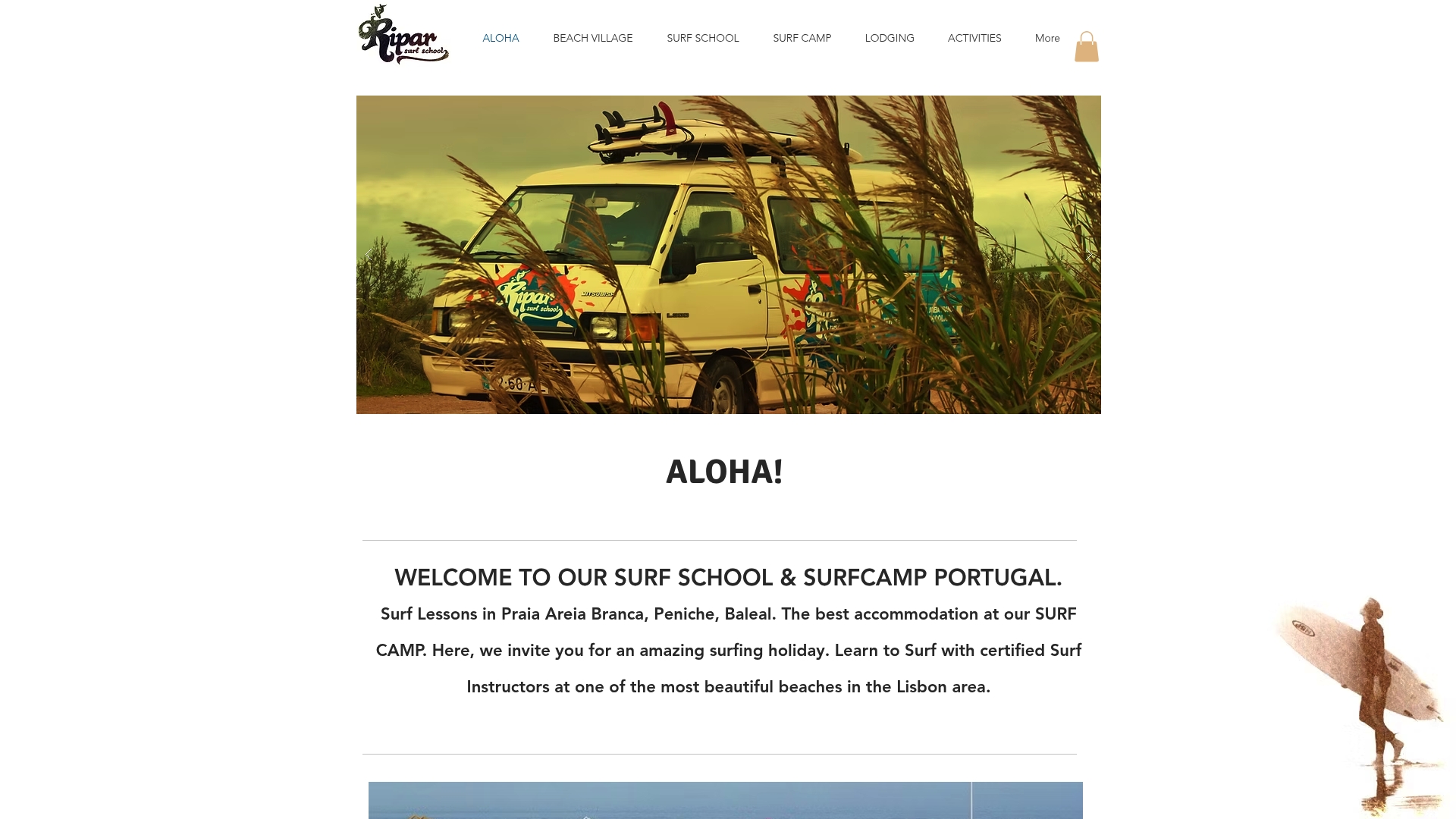
Surf camps at Riparsurfschool combine certified instruction with a genuinely low-footprint setting: local accommodations, beach access on foot, and a community atmosphere built around the ocean rather than around tourism. Whether you are looking to book a surf camp for a week of immersive outdoor experience or reserve a private surf lesson that fits your pace, the program is designed around the rhythms of the Atlantic coast. The surf yoga program adds a mindfulness layer that complements every nature-connected holiday tip covered here.
FAQ
What are the best nature connected holiday tips for first-time eco-travelers?
Start with transportation and accommodation. Choose rail over flights where possible, and book independently owned lodgings with third-party sustainability certifications like EarthCheck or Green Key.
How does slow travel improve nature connection?
Staying longer in one region reduces transit emissions and gives you time to observe local ecosystems, wildlife patterns, and cultural rhythms that short visits miss entirely.
What is the best time of year for a nature-connected holiday?
Off-season and shoulder season travel consistently produce more authentic experiences. 42% of travelers now plan outside peak seasons to avoid crowds and engage more deeply with local environments.
How do I verify that a hotel is genuinely sustainable?
Look for third-party certifications rather than self-reported claims. EarthCheck and Green Key both require independent audits, making them reliable indicators of real sustainability standards.
Can surfing be a nature-connected outdoor activity?
Surfing is one of the most direct forms of outdoor engagement with a natural environment. Programs like those at Riparsurfschool pair ocean-based instruction with a low-impact coastal setting, making it a strong fit for sustainable surf tourism and mindful travel goals.
Recommended
Comments