

Local surf culture explained: authentic Portugal guide

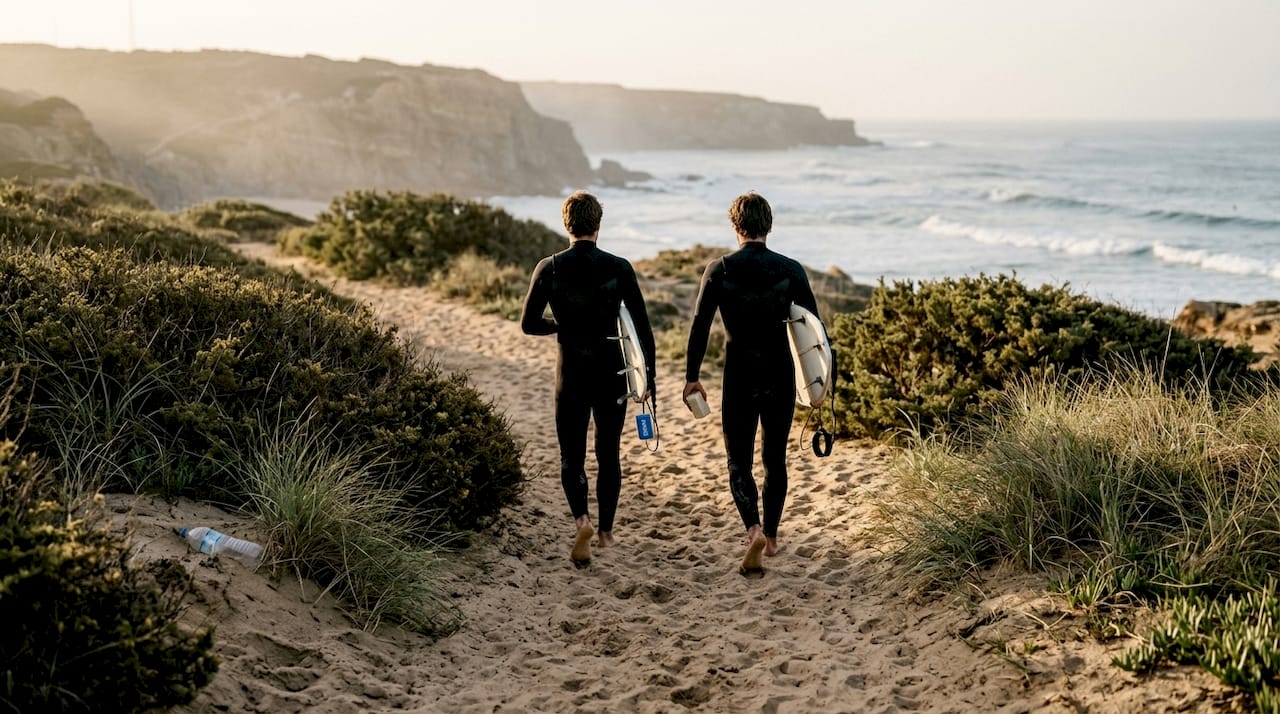
Portugal’s surf scene isn’t just about riding waves. It’s a living, breathing community rooted in respect, sustainability, and shared passion. Many visitors arrive expecting only perfect breaks and sunny beaches, yet they discover a culture that values environmental stewardship, lineup etiquette, and authentic connection over competition. Whether you’re a beginner seeking gentle sand breaks or an experienced surfer chasing hollow barrels, understanding local surf culture transforms your experience from tourist to welcomed participant. This guide reveals how to navigate Portugal’s diverse surf spots, honor community values, and immerse yourself in a culture that has evolved from a 1990s boom into today’s sustainable tourism model.
Table of Contents
Key Takeaways
Point | Details |
Beginner friendly spots | Soft sand bottoms provide forgiving learning conditions at beaches favored by learners. |
Respectful surf culture | Local communities prioritize respect, environmental care, and cooperative behavior in the lineup. |
Seasonal best period | Prime swells follow October through March, with solid waves available year round. |
Etiquette matters | Understanding and following local etiquette helps you be welcomed in lineups and gain authentic cultural experiences. |
Understanding Portugal’s surf spots by skill level
Portugal’s coastline delivers remarkable variety for surfers at every stage of progression. Beginners thrive at soft sand breaks where forgiving bottoms and gentle waves create ideal learning conditions. Spots like Baleal, Foz do Lizandro, and Carcavelos offer consistent small to medium waves that build confidence without overwhelming new surfers. These beaches feature surf schools, equipment rentals, and supportive communities that welcome learners.
Intermediate surfers find endless opportunities at consistent peaks throughout the central coast. These breaks provide longer rides, more challenging sections, and the chance to refine technique on waves that demand better positioning and timing. The variety means you can progress steadily while exploring different wave types and conditions. Many intermediate spots sit near small villages where you can connect with local surf culture between sessions.
Expert surfers chase Portugal’s legendary heavy breaks. Coxos delivers powerful reef waves that demand precise positioning and strong paddling fitness. Supertubos produces hollow barrels that require advanced skills and excellent physical conditioning. These waves attract international talent and showcase Portugal’s world-class surf potential. The best swells arrive between October and March when North Atlantic storms generate consistent energy, though summer offers smaller waves perfect for skill-building.
Pro Tip: Check surf conditions in September when crowds thin but waves remain consistent, offering a sweet spot between summer tourists and winter power.
Understanding your skill level and choosing appropriate breaks ensures safety and accelerates progression. Pushing beyond your abilities in powerful surf risks injury and frustrates local surfers who may need to assist. Start conservative, build skills gradually, and earn your way into more challenging lineups. Document your journey through surf photography to track improvement and celebrate milestones.
Skill-appropriate surf spot selection:
Assess your paddling strength and wave-reading ability honestly
Research break characteristics including bottom type and typical wave size
Visit spots during smaller conditions to familiarize yourself with layout
Ask local surf schools for recommendations based on current conditions
Progress gradually from sand to reef breaks as skills develop
Skill Level | Recommended Breaks | Wave Characteristics | Safety Considerations |
Beginner | Baleal, Carcavelos | Soft sand, 1-3 feet | Lifeguards present, gentle shore |
Intermediate | Ribeira d’Ilhas, Areia Branca | Consistent peaks, 3-6 feet | Moderate currents, reef awareness |
Expert | Coxos, Supertubos | Heavy reef/barrel, 6+ feet | Strong currents, crowd management |
The heart of local surf culture: respect, sustainability, and community
Portugal’s surf communities operate on foundational values that distinguish them from purely commercial surf destinations. Respect forms the cornerstone, extending to fellow surfers, local residents, and the natural environment. Unlike aggressive localism found elsewhere, Portuguese surfers generally welcome visitors who demonstrate awareness and courtesy. This mild approach doesn’t mean anything goes. Crowded lineups still require patience, proper positioning, and acknowledgment of those who’ve waited longer.
Sustainability drives many coastal communities, particularly in designated World Surfing Reserves like Ericeira. These areas balance surf tourism with environmental protection through beach cleanups, plastic reduction initiatives, and education programs. Local businesses increasingly adopt eco-friendly practices, from biodegradable wax to solar-powered facilities. This commitment reflects a deep understanding that pristine waves depend on healthy oceans and coastlines.
Respect and sustainability are the pillars of Portuguese surf culture.
Community focus prioritizes cooperation over competition in most Portuguese lineups. Surfers share wave knowledge, celebrate each other’s rides, and help newcomers improve. This collaborative spirit extends beyond the water into surf houses and community-oriented camps where evening gatherings foster friendship and cultural exchange. Unlike impersonal party hostels, these spaces create genuine connections.
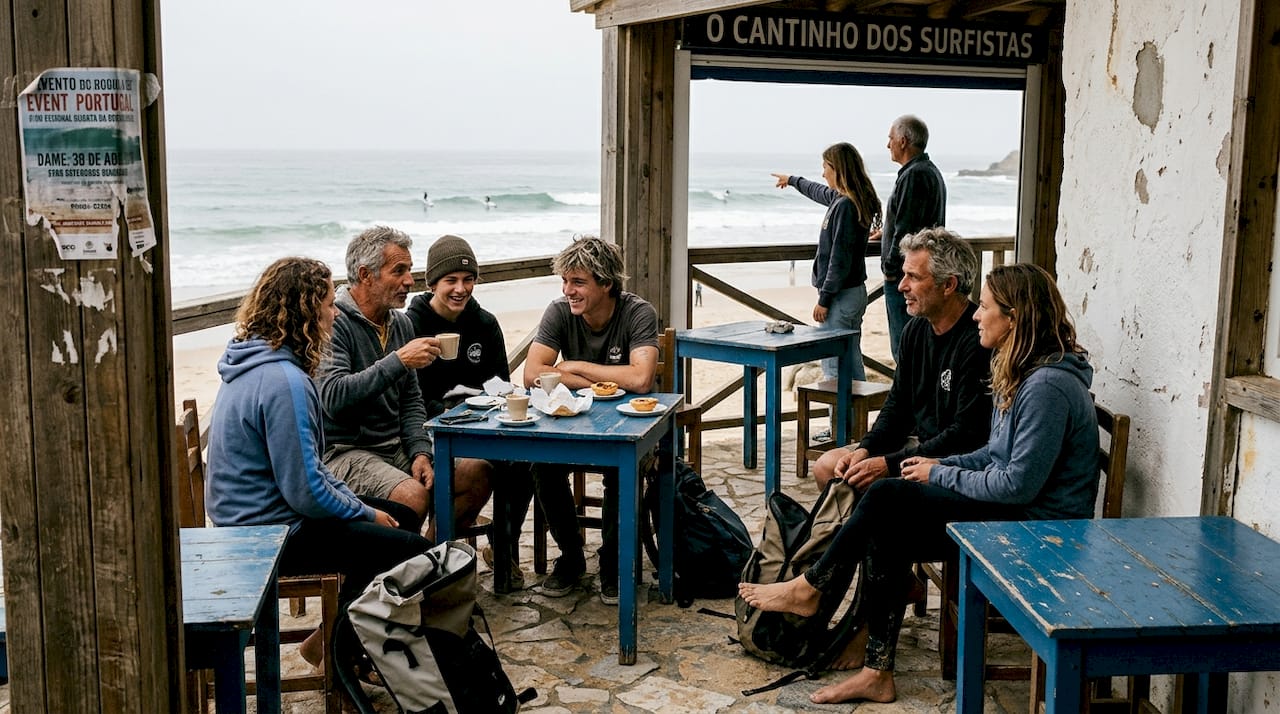
Authentic cultural immersion happens through small choices. Eat at local tascas serving petiscos and fresh seafood rather than international chains. Support family-run surf shops and eco-conscious accommodations. Participate in community events and environmental initiatives. These actions demonstrate respect for local culture and contribute to sustainable tourism that benefits residents and visitors alike.
Pro Tip: Learn basic Portuguese greetings and surf terms to show respect and facilitate better communication in lineups and local establishments.
Core values in Portuguese surf communities:
Respect for local surfers, residents, and natural environment
Environmental stewardship through World Surfing Reserve programs
Community collaboration over individual competition
Support for small businesses and eco-friendly operations
Patient lineup behavior and proper wave-sharing etiquette
Experiencing these values firsthand requires choosing accommodations that prioritize community over party atmosphere. Small surf camps offer structured programs, experienced instructors, and intimate group sizes that facilitate cultural learning. You’ll share meals, swap stories, and build relationships that extend beyond your trip. This immersive approach reveals Portugal’s surf culture as a way of life rather than a vacation activity.
From the 1990s surf boom to sustainable tourism today
Portugal’s transformation into a premier surf destination accelerated dramatically during the 1990s. International surfers discovered world-class waves, affordable living costs, and welcoming communities. This boom brought economic benefits but also challenged traditional village life and increased lineup crowds. Local surfers adapted by maintaining mild localism based on respect rather than aggression, creating a balance between preserving culture and welcoming visitors.
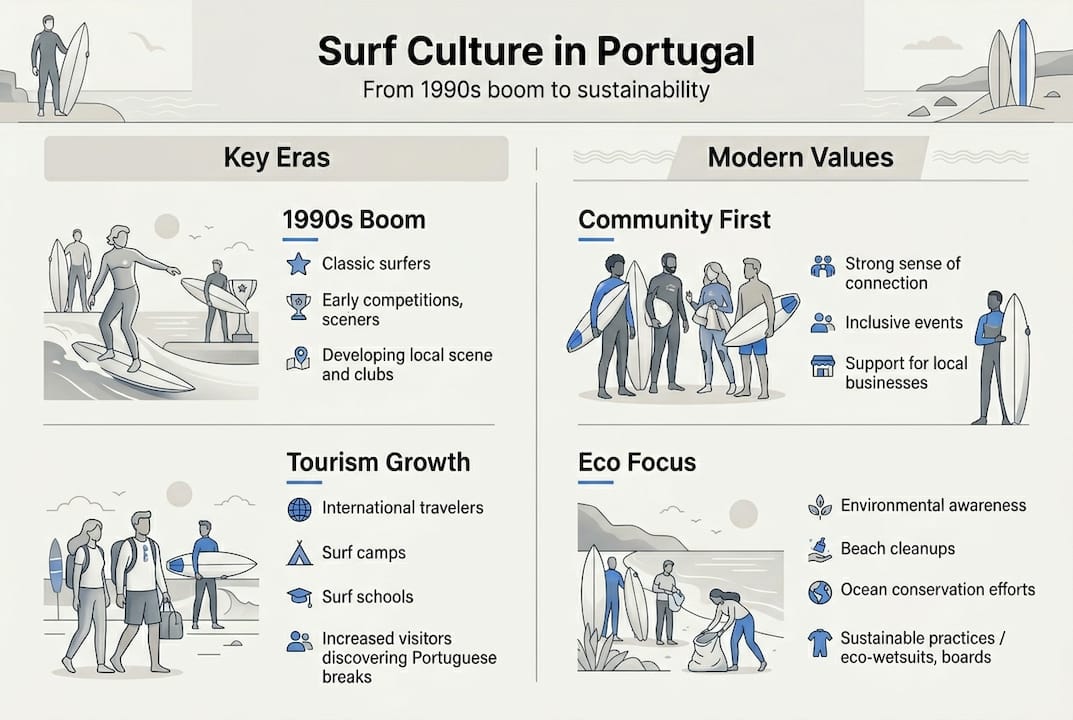
The growth continued through the 2000s and 2010s as surf tourism became a significant economic driver. Coastal towns developed infrastructure including surf schools, rental shops, and accommodations ranging from luxury resorts to budget hostels. This expansion raised concerns about overdevelopment and environmental impact, prompting a shift toward sustainable tourism models that protect what makes Portugal special.
Today’s surf tourism landscape emphasizes quality over quantity. Small eco-conscious camps limit group sizes to maintain personalized instruction and minimize environmental footprint. These operations partner with local communities, employ resident instructors, and source supplies from nearby businesses. The focus shifts from maximizing tourist numbers to creating meaningful experiences that benefit both visitors and locals.
Choosing accommodations reflects your values and shapes your experience. Party hostels prioritize nightlife, large groups, and social events that often disconnect from local culture. While fun for some travelers, they rarely provide authentic immersion or contribute meaningfully to community sustainability. Small surf houses and intimate camps offer structured learning, cultural connection, and environmental responsibility.
Feature | Eco-Conscious Surf Camps | Party Hostels |
Group size | 8-15 people | 30-100+ people |
Focus | Skill development, culture | Socializing, nightlife |
Environmental impact | Minimal, sustainable practices | Higher, less regulated |
Local integration | Strong community ties | Limited interaction |
Instruction quality | Certified, experienced locals | Variable, often transient staff |
Steps to select accommodations that respect local culture:
Research the operation’s environmental policies and community involvement
Check instructor certifications and local employment practices
Read reviews focusing on cultural authenticity rather than party atmosphere
Verify group sizes align with personalized learning and low impact
Confirm the business supports local suppliers and sustainable practices
Ask about community engagement opportunities like beach cleanups
This evolution from rapid growth to sustainable tourism reflects maturity in Portugal’s surf industry. Communities recognize that protecting their culture and environment ensures long-term viability. Visitors who align with these values contribute to a positive cycle that preserves what makes Portuguese surf culture unique while supporting local economies.
How to authentically engage with local surf communities in Portugal
Authentic engagement starts with understanding and following lineup etiquette. Wait your turn patiently rather than paddling aggressively for every wave. Acknowledge surfers who have priority through position or longer wait times. Greet fellow surfers with a friendly “bom dia” or wave. These small gestures demonstrate respect and open doors to local knowledge about conditions, hidden spots, and community events.
Supporting local businesses strengthens your connection to surf culture. Eat at family-run restaurants serving traditional petiscos like grilled sardines, peixinhos da horta, and polvo à lagareiro. These establishments provide authentic culinary experiences while supporting local economies. Choose surf shops owned by resident surfers who offer genuine advice rather than corporate chains focused solely on sales.
Engaging with professional surf schools accelerates skill development while building community connections. Certified local instructors share wave knowledge, safety protocols, and cultural insights you won’t find in guidebooks. Group lessons create camaraderie among learners and facilitate friendships that extend beyond surf sessions. This structured approach builds confidence and competence faster than struggling alone.
Participating in sustainability efforts demonstrates commitment to preserving Portugal’s coastal beauty. Join beach cleanups organized by local surf clubs and environmental groups. Reduce plastic use by carrying reusable water bottles and bags. Choose accommodations with solar power, water conservation systems, and waste reduction programs. These actions align your visit with community values and contribute to long-term environmental health.
Pro Tip: Combine surf lessons with yoga sessions to improve flexibility, breathing, and mental focus while connecting with the wellness aspects of surf culture.
Cultural and environmental respect guidelines:
Do greet locals in Portuguese and learn basic surf terminology
Do wait your turn patiently in crowded lineups
Do support small, locally-owned businesses and eateries
Do participate in community beach cleanups and environmental initiatives
Don’t drop in on other surfers’ waves or snake priority
Don’t litter or leave equipment unattended on beaches
Don’t assume party behavior is acceptable in traditional villages
Don’t ignore local advice about conditions or hazards
Building authentic relationships requires time and genuine interest. Attend local surf contests and community events. Share waves generously when conditions allow. Ask questions about local history and surf culture with sincere curiosity. These interactions transform you from tourist to temporary community member, creating memories and connections that outlast your trip.
Start your authentic surf experience with Ripar Surf School
Ready to experience Portugal’s surf culture authentically? Ripar Surf School offers the perfect gateway to genuine community connection and skill development. Our certified local instructors bring decades of experience and deep knowledge of central Portugal’s best breaks. Whether you’re a complete beginner or looking to refine advanced techniques, our personalized approach ensures rapid progression in a supportive environment.
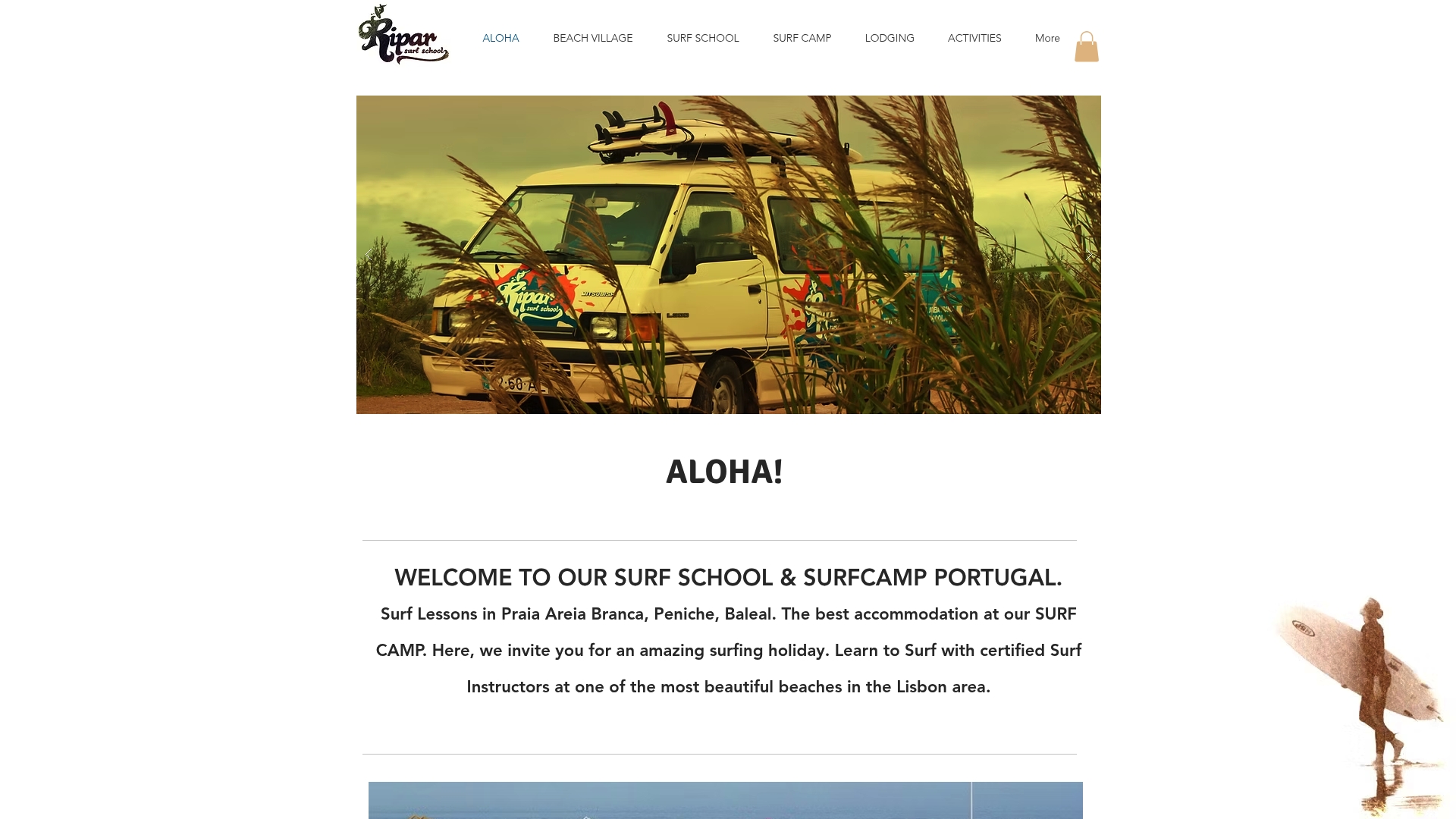
Our group lessons foster the collaborative spirit that defines Portuguese surf culture. Small class sizes guarantee individual attention while building camaraderie among participants. We prioritize safety, environmental responsibility, and cultural immersion in every session. Located in the authentic beach village of Praia Areia Branca, our surf school provides access to ideal learning conditions away from mass tourism crowds. Join us to surf, connect, and experience Portugal’s coastal culture as it’s meant to be lived.
Frequently asked questions
What is local surf culture in Portugal?
Local surf culture in Portugal centers on respect, sustainability, and community collaboration rather than aggressive competition. It welcomes visitors who demonstrate proper etiquette and environmental awareness. The culture evolved from a 1990s tourism boom into today’s sustainable model that balances economic benefits with cultural and environmental preservation.
How can beginners find the right surf spots in Portugal?
Beginners should seek soft sand breaks like Baleal, Foz do Lizandro, and Carcavelos where gentle waves and forgiving bottoms create ideal learning conditions. Avoid advanced reef breaks until skills and fitness improve significantly. Local surf schools provide expert guidance on current conditions and appropriate spots for your level.
What etiquette should I follow when surfing with locals?
Wait your turn patiently in lineups and avoid dropping in on waves where others have priority. Greet fellow surfers respectfully using basic Portuguese phrases. Observe local customs like acknowledging good rides and offering assistance when needed. These behaviors demonstrate respect and facilitate acceptance into the community.
How do I contribute to sustainable surf tourism in Portugal?
Choose eco-friendly camps and accommodations that implement environmental practices and support local communities. Participate in organized beach cleanups and reduce plastic use through reusable containers. Support family-owned restaurants and surf shops rather than international chains. These actions align your visit with the sustainability values central to Portuguese surf culture.
Recommended
Comments