

How to Start Adventure Surfing: A Beginner's Guide

TL;DR:
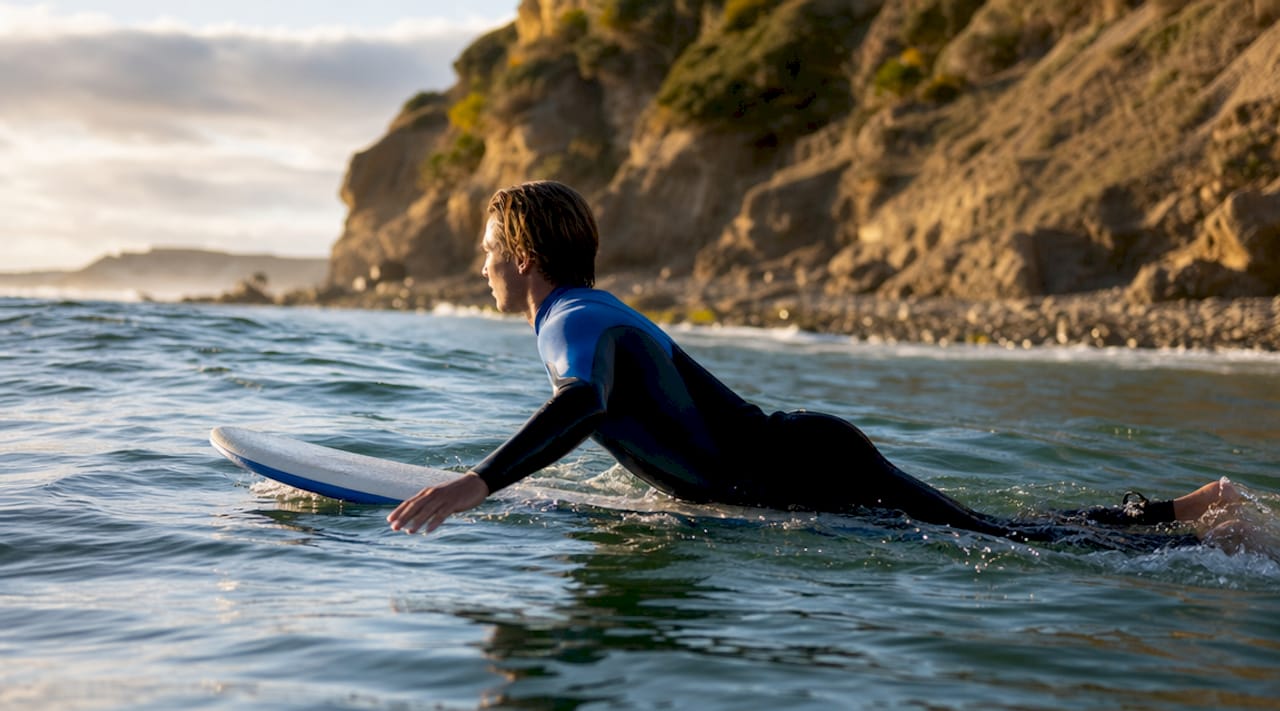
Adventure surfing involves riding ocean waves with proper gear, techniques, and ocean safety awareness. Beginners can start with a soft-top foam board, practicing in beginner-friendly spots, and steadily progress through step-by-step techniques. Patience, observation, and respect for safety rules significantly accelerate learning and enjoyment in the sport.
Adventure surfing is defined as riding ocean waves on a surfboard, and starting your journey requires the right gear, foundational techniques, and a clear understanding of ocean safety. The good news: you do not need to be an athlete or have any prior experience to catch your first wave. With a foam board, a leash, and a willingness to practice in the right conditions, beginners can progress faster than most expect. This guide covers everything you need to know about how to start adventure surfing, from choosing your first board to reading waves and avoiding the mistakes that slow most beginners down.
What gear do you need to start adventure surfing?
The right equipment is the difference between a frustrating first session and a genuinely fun one. Choosing gear matched to your skill level removes unnecessary obstacles and keeps you safer in the water.
The beginner surfboard: size and type matter
A beginner surfboard is typically an 8 to 9 foot soft-top foam board, chosen for its volume, stability, and forgiving surface. Soft-top boards, sometimes called foamies, are ideal for learning because they paddle easily, float high in the water, and reduce injury risk when the board hits you. A longer board gives you more surface area to stand on, which directly translates to better balance during your first pop-ups. Avoid shortboards or fish shapes until you can consistently catch and ride unbroken waves.
Leash, wax, and wetsuit
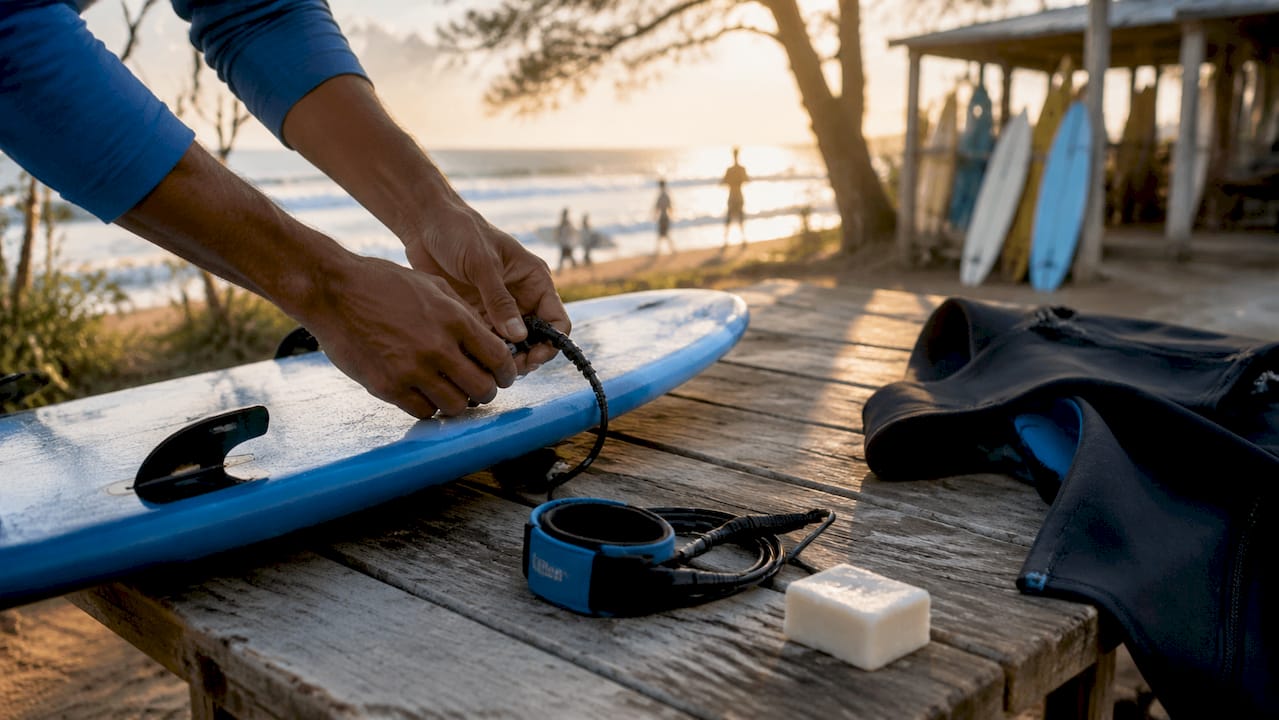
Three accessories complete your beginner setup. A leash attaches your ankle to the board, and wearing a leash prevents the board from becoming a projectile or drifting away after a wipeout. Surf wax or a traction pad gives your feet grip on the deck so you are not sliding off during the pop-up. A wetsuit or rashguard protects against sun, abrasion, and cold water. In Portugal’s Atlantic waters, a 3/2mm wetsuit works well for most of the year.
Pro Tip: Before buying, check whether your local surf school supplies equipment. Riparsurfschool provides boards, leashes, and wetsuits for all lesson participants, which lets you test gear before committing to a purchase.
Here is a quick comparison of board types for beginners:
Board type | Length | Best for |
Soft-top foam board | 8 to 9 feet | First-time beginners, pop-up practice |
Longboard (hard top) | 9 to 10 feet | Beginners with some balance experience |
Funboard/Malibu | 7 to 8 feet | Progressing beginners, small waves |
Shortboard | Under 7 feet | Experienced surfers only |
How do you choose the best beginner surf spots?
Selecting the right location is the foundational curriculum for learning to surf. Beginner-friendly spots have sandy bottoms, minimal currents, and waves that break predictably. Getting this choice wrong is the single biggest reason beginners have frustrating early sessions.
What wave conditions work for beginners?
Ideal beginner waves are 1 to 3 feet tall, soft, and consistent, breaking over a sandy bottom without strong rip currents or submerged rocks. Waves in this range give you enough push to practice riding without the power to send you tumbling. Offshore winds (blowing from land toward the ocean) groom wave faces and make them cleaner and more rideable. Onshore winds chop up the surface and make learning harder.
Tide timing also matters. Low to mid tide often produces the cleanest conditions at beach breaks, while high tide can flatten waves entirely or make them dump too quickly. Checking a free surf report tool like Surfline or Magic Seaweed before heading out tells you what to expect.
Here are the key features to look for in a beginner surf spot:
Sandy bottom with no visible rocks or reef
Waves breaking at 1 to 3 feet with a gradual, rolling shape
Minimal rip current activity (check with lifeguards or locals)
Lifeguard presence or other surfers in the water
Easy paddle-out with no heavy shore break
Locations like Praia Areia Branca near Peniche in Portugal, Tamarindo in Costa Rica, and Coolangatta in Australia consistently rank among the best places to start surfing because they check every box on that list. Local surf schools are also your best source of real-time spot advice. Instructors know which breaks are working on any given day and which ones to avoid.
Pro Tip: Ask a local surfer or your instructor which side of the beach is best that morning. Conditions can vary dramatically within 200 meters of shoreline depending on sandbar shape and current direction.
Step-by-step adventure surfing techniques for beginners
Skill progression in surfing follows a clear sequence. Skipping steps creates bad habits that take months to unlearn. Follow this order and your first rides will come faster than you think.
Step 1: Warm up and practice your pop-up on land
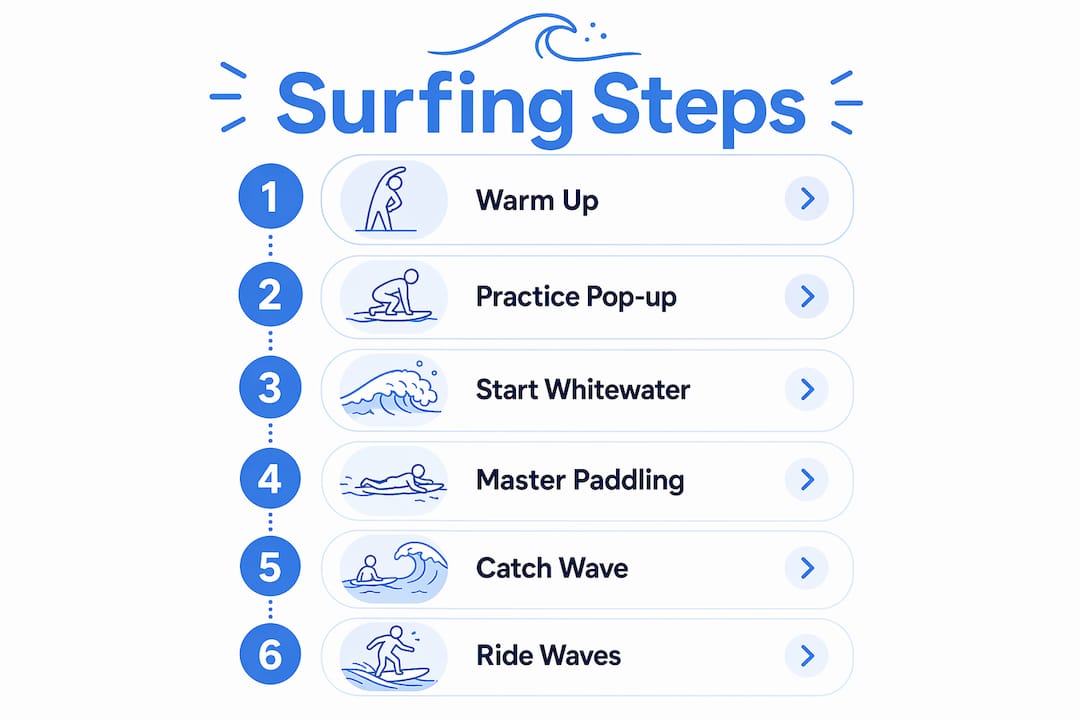
Before entering the water, spend 10 minutes warming up your shoulders, hips, and lower back. Then practice your pop-up on the sand. The pop-up is the movement from lying flat on the board to standing in one explosive motion. Drilling the pop-up on land builds muscle memory so the movement becomes automatic when a wave is pushing you. Place your hands flat beside your chest, push up, and bring both feet forward simultaneously. Your front foot lands centered on the board, your back foot sits over the fins.
Step 2: Start in the whitewater
Starting in whitewater (the broken, foamy section after a wave has already broken) removes the pressure of timing an unbroken wave. Paddle into waist-deep water, point the board toward shore, and wait for a broken wave to push you. When you feel the board accelerate, execute your pop-up. This is the safest and most efficient way to build pop-up confidence before moving to unbroken waves.
Step 3: Master your paddle and positioning
Lie centered on the board with your chest slightly raised and your feet together. Paddle with long, deep arm strokes, alternating sides. Your body position affects everything: too far forward and the nose digs into the water; too far back and you create drag and miss waves. The sweet spot is when the nose sits about 2 to 3 inches above the surface.
Step 4: Catch an unbroken wave
Once your pop-up is consistent in whitewater, move to the lineup. Paddle parallel to an incoming wave, then turn toward shore and paddle hard as the wave approaches. You will feel the board lift and accelerate. That is your cue to pop up. Learning to read waves and time your paddle correctly is the skill that separates beginners from intermediate surfers.
Step 5: Ride with bent knees and eyes forward
Once standing, keep your knees bent, your weight centered, and your gaze fixed on the direction you want to travel. Looking forward, not down, is the single most effective balance adjustment a beginner can make. Straight legs absorb no movement and lead to immediate falls. Think of your knees as shock absorbers.
Here is a quick reference for the core technique sequence:
Stage | Key action | Common error |
Land warm-up | Full pop-up in one motion | Using knees to push up |
Whitewater | Wait for push, then pop up | Popping up too early |
Paddling | Deep strokes, centered position | Lying too far forward |
Wave catch | Paddle hard, feel acceleration | Stopping paddle too soon |
Standing | Bent knees, eyes forward | Looking down at feet |
Common beginner mistakes and how to avoid them
Most beginner frustrations come from surfing in mismatched conditions or repeating the same technical errors without correction. Knowing what to watch for cuts your learning curve significantly.
The most common mistakes beginners make include:
Looking down during the pop-up. Your gaze controls your balance. Eyes down means your body follows, and you fall forward.
Using your knees as a stepping stone. The pop-up must be one fluid motion. Pushing to your knees first creates a two-stage movement that is too slow for real waves.
Surfing alone as a beginner. Never surf alone when you are learning. A wipeout in even small surf can disorient you, and having someone nearby is a basic safety rule.
Ignoring rip currents. If you get caught in a rip current, do not fight it by swimming directly toward shore. Swim parallel to shore until you exit the current, then angle back to the beach.
Standing too upright. Straight legs transfer every wave movement directly to your upper body, making balance nearly impossible. Bent knees are non-negotiable.
Rushing to unbroken waves too soon. Spend at least your first two or three sessions in the whitewater. The fundamentals you build there carry directly into every future session.
Pro Tip: Film yourself from the beach during your first few sessions. Most beginners are shocked to see how straight their legs are and how often they look down. Video feedback accelerates correction faster than any verbal instruction.
Key takeaways
Adventure surfing for beginners succeeds when you match the right board and location to your skill level, practice the pop-up as a single explosive motion, and treat ocean safety as a non-negotiable foundation.
Point | Details |
Start with the right board | An 8 to 9 foot soft-top foam board gives beginners the stability and volume needed to learn efficiently. |
Choose beginner-friendly waves | Target 1 to 3 foot waves over sandy bottoms with no strong currents or reef hazards. |
Build pop-up on land first | Drilling the pop-up on sand before entering the water builds muscle memory and reduces errors. |
Keep knees bent, eyes forward | Bent knees absorb wave movement; looking forward controls balance and direction. |
Never surf alone | Always surf with others nearby and wear your leash on every session without exception. |
What I’ve learned teaching beginners to surf at Areia Branca
After more than two decades of watching beginners take their first waves at Praia Areia Branca, one pattern stands out clearly. The surfers who progress fastest are not the most athletic. They are the ones who resist the urge to rush. They spend time in the whitewater when their ego wants them in the lineup. They ask questions. They watch the ocean before paddling out.
The biggest mistake I see is treating surfing like a sport you can muscle through. The ocean does not reward aggression from beginners. It rewards patience and observation. A beginner who spends 20 minutes watching a break before entering the water will outperform someone who paddles straight out without looking. That is not intuitive, but it is consistently true.
Board choice also matters more than most beginners expect. I have watched people struggle for an entire week on a board that was simply too small for their weight and experience level. Switching to a proper foam board on day two of a surf camp often produces a breakthrough that nothing else could. The right equipment is not a shortcut. It is the correct starting point.
Finally, respect for the ocean and for other surfers in the water is not optional etiquette. It is a safety system. Surfer habits around safety exist because the ocean is unpredictable, and the lineup has rules that protect everyone. Learn them early and you will be welcomed, not tolerated.
— Fernando
Ready to catch your first wave in Portugal?
Riparsurfschool has been running surf lessons and surf camps at Praia Areia Branca since 2001, with certified local instructors who know these waves better than anyone. Whether you want a beginner surf lesson with all equipment provided or a private surf lesson for one-on-one coaching, the school offers structured programs designed specifically for people starting from zero. The location sits between Peniche and Ericeira, two of Europe’s most celebrated surf destinations, giving beginners access to consistent, manageable waves year-round.

If you are planning a surf trip to Portugal and want to learn in a relaxed, small-beach-village setting far from crowded tourist spots, Riparsurfschool is the right place to start. You can also explore surf camp options that combine daily lessons, accommodation, and full equipment rental in one package. For destinations further afield, the Uluwatu surf guide from Manta Villas offers excellent context on Bali’s surf culture for those planning an adventure further from home.
FAQ
What is the best board for adventure surfing beginners?
An 8 to 9 foot soft-top foam board is the best choice for beginners because it offers maximum stability, easy paddling, and a forgiving surface that reduces injury risk during wipeouts.
How long does it take to catch your first wave?
Most beginners catch their first whitewater wave within the first session. Riding an unbroken wave consistently typically takes between 3 and 10 sessions depending on practice frequency and conditions.
What are the safest surf spots for beginners?
Beginner-friendly spots have sandy bottoms, 1 to 3 foot waves, and no strong rip currents. Praia Areia Branca in Portugal, Tamarindo in Costa Rica, and similar mellow beach breaks are consistently recommended for new surfers.
Do I need a wetsuit to start surfing?
A wetsuit depends on water temperature. In Portugal’s Atlantic waters, a 3/2mm wetsuit is recommended for most of the year. In warmer tropical destinations, a rashguard alone may be sufficient.
Is it worth taking surf lessons as a beginner?
Professional surf instruction offers faster skill mastery, immediate feedback, and safety knowledge that self-teaching cannot replicate. Most beginners who take lessons progress in days what self-taught surfers take weeks to figure out.
Recommended
Comments