

30–45 Minute Crossing: Peniche to the Berlengas, Surf School Timing

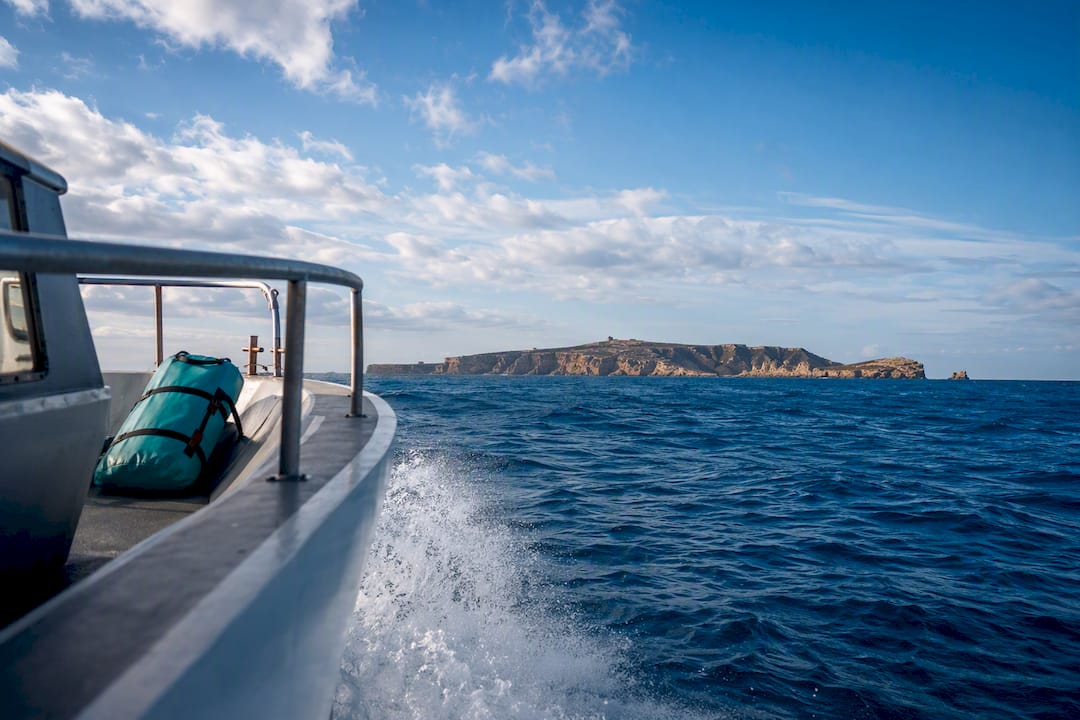
You reach the Berlengas by boat from Peniche, and there’s no other way in. Book the crossing (30 to 45 minutes each way) and the mandatory BerlengaPass before you go, since both sell out fast between June and September. Sea conditions cancel trips more often than most first-timers expect, so plan to arrive at the marina early and build a little slack into your day.
TL;DR:
Booking the boat crossing and BerlengaPass in advance is essential, especially between June and September, due to fast sellouts and strict visitor caps.
Sea conditions often cancel trips more frequently than travelers expect, so plan for potential delays or rebookings and build in extra time for travel and check-in.
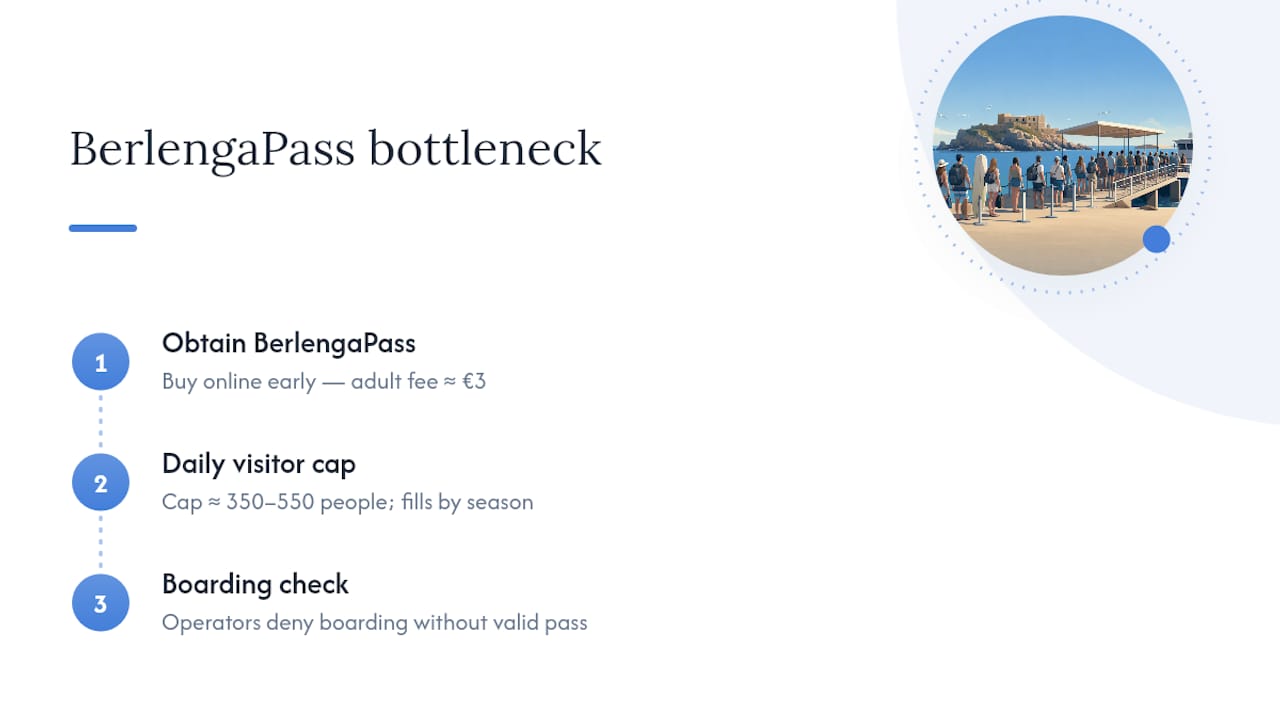
The BerlengaPass costs around €3 and is required for all visitors, with daily limits of approximately 350 to 550 people that fill quickly during peak season.
The best time to visit is in late May, early June, or September, with morning departures being more reliable and less affected by weather conditions.
Packing essentials include water, sturdy shoes, sunscreen, a windbreaker, photos of your pass, and seasickness medication if needed, since facilities on the island are minimal.
Table of Contents
Berlengas Como Ir: Getting to Peniche First
Every boat to the Berlengas departs from the Porto de Pesca in Peniche, so your first job is simply getting to that town. From Lisbon, driving takes about 1h15 to 1h30 via the A8, and from Porto you’re looking at roughly 2 to 2.5 hours on the same motorway heading south. Parking near the marina gets tight in summer. Metered spots line the streets closest to the pier, but there are free lots a short walk away near the fortress that fill up less quickly.
If you’d rather skip the driving, Rede Expressos runs regular coaches from Lisbon’s Sete Rios and Campo Grande terminals to Peniche, with the trip taking about 1.5 to 2 hours. Fares are modest compared to a rental car plus parking, and the bus drops you close enough to the town center that a short walk or a quick taxi gets you to the marina.
A few things worth building into your plan:
Leave earlier than you think you need to, especially from Lisbon in July or August when the A8 backs up near the coast.
If you’re coming by bus, check the Rede Expressos timetable the night before. Schedules thin out considerably outside high season.
A taxi from the Peniche bus station to Porto de Pesca takes just a few minutes and costs very little, which is worth it if you’re cutting your check in time close.
If you’re staying near Peniche the night before, our guide to getting from Lisbon to Peniche breaks down transfer options in more detail.
Whichever way you get there, build in a buffer. Boats don’t wait, and a missed check in window means rebooking, if there’s even space left that day.
What Do the Boat Crossings Actually Cost?
Once you’re at the marina, a handful of licensed operators run the Peniche to Berlenga route, and the mechanics are fairly consistent across all of them. The crossing itself usually takes 30 to 45 minutes, depending on the vessel and how the sea is behaving that day. Rough adult round-trip tickets fall somewhere between €15 and €30, with the variation coming down to vessel type, season, and whether you add extras.
Here’s what typically drives the price up or down:
Standard round-trip tickets on a shared crossing sit at the lower end of that range.
Add-ons like cave tours, glass-bottom sightseeing loops, or snorkel packages cost extra and should be booked alongside your main ticket rather than added on the day.
Peak summer departures (particularly midday) tend to price slightly higher than early morning or shoulder season slots.
You can book through the operator websites directly or, in some cases, at kiosks right on the dock. Booking online in advance is the safer move for anything between June and September. Walking up and hoping for a same day seat works fine in April, but it’s a gamble in August. Most operators publish clear cancellation and refund terms tied to weather, and it’s worth reading those before you pay, since a canceled sailing due to sea conditions is usually refunded or rebooked rather than lost outright.
One detail that trips people up: even if a boat has empty seats, that doesn’t mean you can board. Which brings up the other document you need in hand before any of this matters.
Do You Need a BerlengaPass to Visit?
Yes, and it’s non negotiable. The BerlengaPass is issued through the official ICNF platform, and operators are legally required to deny boarding to anyone who can’t show a valid one, regardless of how many free seats are on the boat. Fees are small (reports put the standard adult rate around €3, with reduced pricing for children and seniors), but the pass itself is the real bottleneck, not the price.
That’s because the island enforces a daily visitor cap reported at roughly 350 to 550 people, depending on the season and current regulation. Once that cap fills for a given day, no amount of boat availability changes it. Buy your pass online as early as you can, especially for a July or August date. Keep the confirmation on your phone or print it out. Operators check it at boarding, and a blurry screenshot you can’t pull up quickly is its own kind of headache.
When Is the Best Time to Visit the Berlengas?
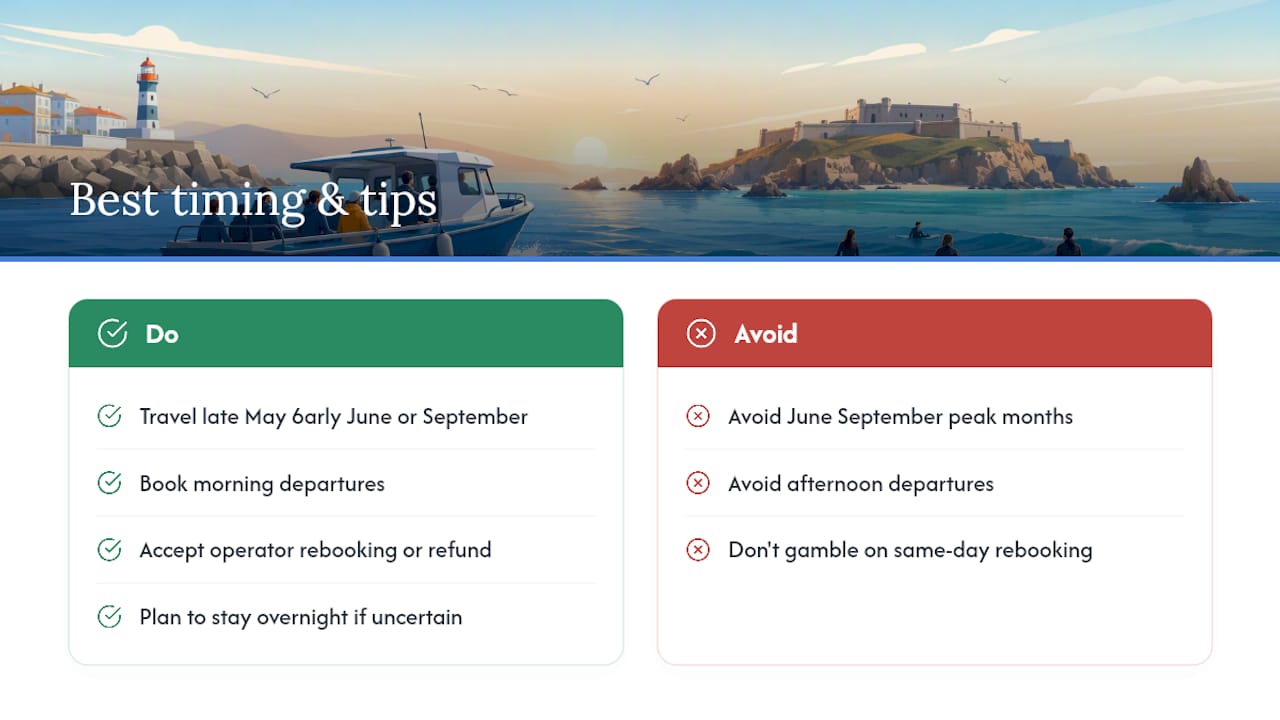
June through September brings the most sailings, but also the biggest crowds and the tightest booking windows. If you can be flexible, late May, early June, and September tend to hit the sweet spot: fewer visitors, steadier weather, and boats that aren’t sold out three weeks ahead.
Morning departures are generally calmer and more reliable than afternoon ones, since wind tends to pick up as the day goes on. Sea state and wind are the two things that cancel crossings, and it happens more than travelers expect. If your boat gets called off, most operators rebook you for the next available slot or issue a refund. If you’re not confident there’s another sailing that day, plan to stay the night in Peniche rather than gamble on a same day rebooking.
What Should You Pack for the Day Trip?
Show up at the marina 30 to 40 minutes before your scheduled departure. That window covers check in, pass verification, and boarding, and cutting it closer than that risks losing your seat to someone who showed up on time. Parking fills early in summer, so budget extra time for that too.
Here’s a packing rundown worth running through the night before:
At least 1.5 liters of water. There’s no reliable place to restock once you’re on the island.
Sturdy, closed shoes. The island’s trails are uneven rock, not paved paths.
A windbreaker and sunscreen. The exposed crossing and coastline offer zero shade.
Your BerlengaPass confirmation and photo ID, both easy to pull up on your phone.
Snacks and a waterproof phone case, since spray on the crossing is common.
Seasickness medication if you’re at all prone to it, taken roughly 30 minutes before boarding.
Facilities on the island are minimal. There’s a seasonal restaurant with limited hours and no dependable equipment rental, so anything you might need for snorkeling or exploring should come with you. Collecting shells, rocks, or plants is prohibited. The islands sit inside a protected biosphere reserve, and the trails aren’t stroller-friendly or great for anyone with limited mobility.
Pro Tip: Screenshot your BerlengaPass confirmation the night before your trip. Marina wifi and cell signal can be patchy right at the dock, and fumbling for a download while a line forms behind you is a bad way to start the day.
Which Boat Should You Choose for the Crossing?
Not all vessels handle the Peniche to Berlenga run the same way, and picking the right one matters more than most travelers realize. Catamarans ride noticeably steadier, which is why operators recommend them for anyone prone to seasickness, traveling with kids, or visiting with older relatives. Speedboats cut the crossing time down but trade comfort for speed. They’re a better fit for travelers who don’t mind a bumpier ride in exchange for spending less time on the water. If sightseeing is part of the appeal, glass-bottom or cave tour boats add a scenic layer to the trip, though these run as add-ons you should book with your main ticket rather than arrange once you’re already at the dock.
A Local’s View on Timing a Berlengas Day From Peniche
Ripar Surf School has watched travelers stack a morning surf lesson with an afternoon Berlengas crossing for years now, and it works better than people expect if the timing is tight. A lesson wraps by mid-morning, leaving enough runway to reach the marina for an early afternoon sailing. Staying nearby the night before, rather than driving in that same morning, removes the parking scramble entirely and takes the pressure off a schedule that has zero room for error.
— Fernando
Plan Your Peniche Days Around Ripar Surf School
Skip the last-minute scramble for parking and a place to sleep near the marina. Ripar Surf School sits close enough to Peniche that you can knock out a surf lesson in the morning and still make an early afternoon Berlengas crossing without racing the clock.
We run group and private lessons for every skill level, and our surf camp lodging near Praia Areia Branca means you’re not driving in cold on crossing day. Staying local the night before also solves the parking headache around Porto de Pesca, since you’re already close by when the marina lots start filling. If you want tailored advice on timing a surf morning against a Berlengas afternoon, our team knows the local ferry rhythms well enough to help you plan it properly. Check dates and book your surf lesson online to lock in your spot before the season fills up.
Sources
Recommended
Comments