

Beach Village Surfing Workflow: Your 2026 Guide
- Fernando Antunes

- Jun 30
- 8 min read
TL;DR:
The beach village surfing workflow is a daily routine that combines surf sessions, community involvement, and local habits in small coastal towns worldwide. It guides surfers to follow tide schedules, respect etiquette, and participate in local events, fostering stronger relationships and better waves. This structured approach enhances mental health, reduces stress, and preserves the village’s cultural identity.
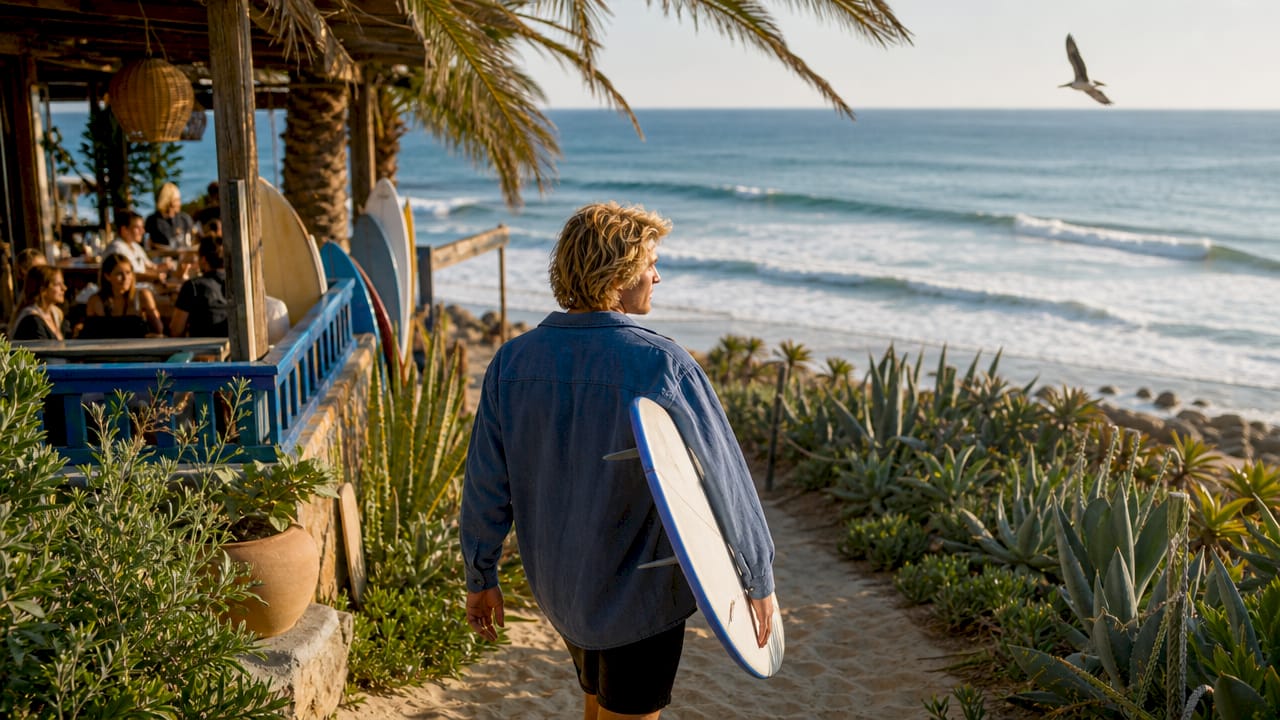
The beach village surfing workflow is the daily rhythm that combines surf sessions, community interaction, and local lifestyle habits into a structured routine practiced in small coastal towns worldwide. Places like Ericeira, Portugal and Taghazout, Morocco have built recognizable versions of this workflow, shaped by World Surfing Reserve designations and tight-knit local culture. Riparsurfschool, based at Praia Areia Branca near Ericeira, operates directly inside this kind of village environment, making it one of the clearest examples of how surf education fits into an authentic daily workflow. Understanding this routine lets you engage fully with the culture, not just the waves.
What does the beach village surfing workflow actually involve?
The beach village surfing workflow is not simply a surf schedule. It is a full daily operating system built around tide windows, community norms, and physical recovery. The workflow typically runs from a pre-dawn session through midday rest, afternoon social time, and an early evening wind-down. Surfers who follow it consistently report better wave selection, stronger local relationships, and less burnout than those who surf randomly throughout the day.
Essential gear and local pricing
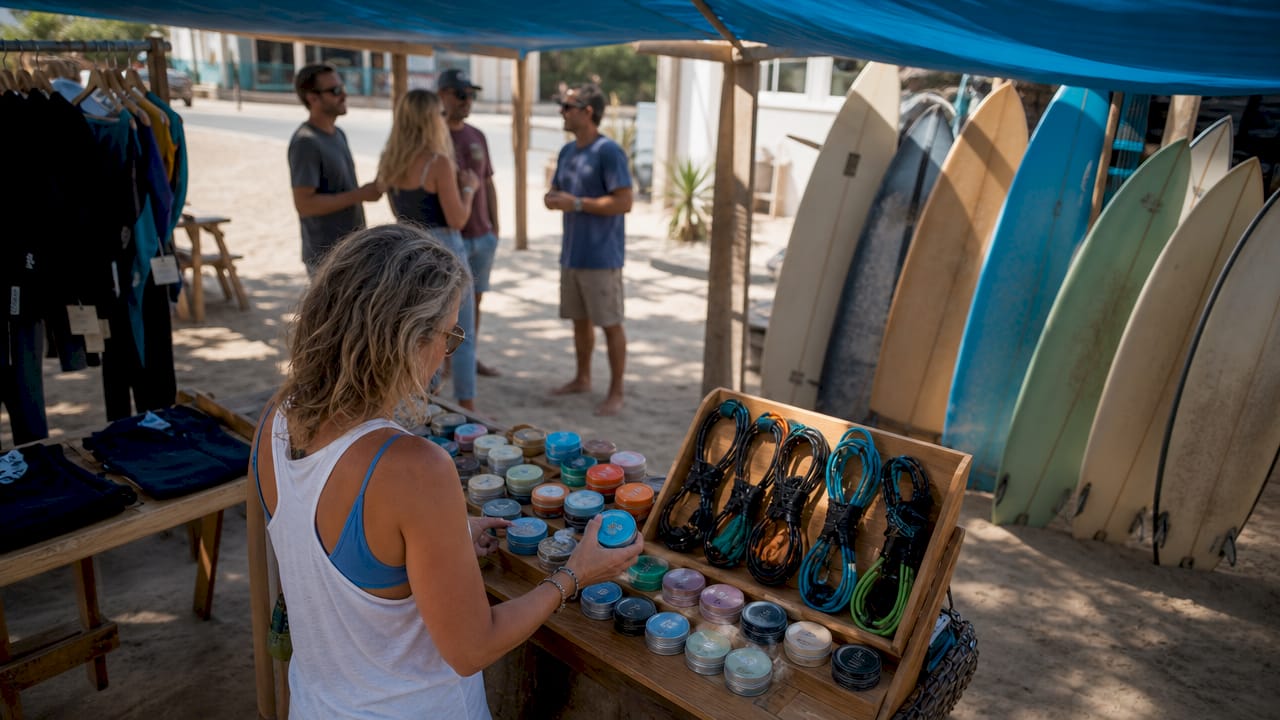
Getting the gear right is the first practical step. A standard surf kit includes a surfboard, wetsuit, wax, and a leash. For travelers entering a new village, rental is the smarter starting point. Entry-level surf lessons in villages like Ericeira start around €35, and equipment rentals in Taghazout average $8–9 per day. Those prices reflect the accessible, low-barrier entry that makes village surfing culture so welcoming to beginners.
Reading conditions before you paddle out
Local tide, swell, and wind knowledge shapes every session. Surfline and Windguru are the tools most village surfers check each morning, but experienced locals often read the horizon and wind direction by eye. Knowing whether a break works best on a rising or falling tide is the kind of knowledge that takes weeks to absorb. Asking your instructor or a local regular is the fastest shortcut.
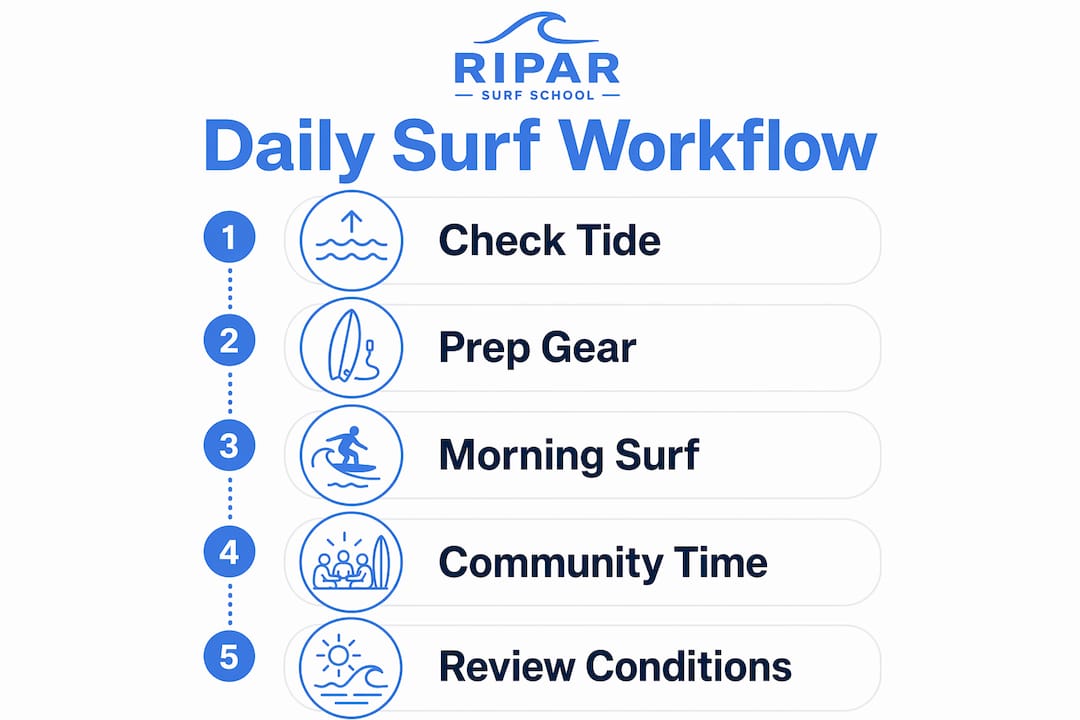
Pro Tip: Check the tide chart the night before, not the morning of. This lets you plan your wake-up time around the best window rather than scrambling to catch it.
The social layer of the workflow matters just as much as the physical one. Respecting lineup etiquette, greeting regulars, and learning a few words of the local language all signal that you are a guest who takes the community seriously. Villages notice this quickly, and it opens doors that pure surfing ability cannot.
What does a typical day in the surf village routine look like?
A well-run day in a surf village follows a predictable arc. The surf village lifestyle rewards those who align with its natural rhythm rather than fight it.
5:30–6:30 a.m.: Dawn patrol. Wake before the crowds. The lineup is quieter, the wind is usually offshore, and the waves are cleaner. Experienced surfers treat this window as non-negotiable.
6:30–8:30 a.m.: Morning session. Two hours is the standard. Longer sessions without adequate rest lead to poor decision-making in the water and slower skill development.
8:30–10:00 a.m.: Breakfast and debrief. Local cafes near the beach are the social hub. This is where you replay the session, discuss conditions, and connect with other surfers.
10:00 a.m.–1:00 p.m.: Work, rest, or exploration. Remote workers surf in the morning and work midday. Non-workers rest, explore the village, or take a second shorter session if conditions hold.
1:00–3:00 p.m.: Lunch and recovery. Midday sun and onshore winds make this the worst surf window in most locations. Use it for food, stretching, and hydration.
3:00–5:00 p.m.: Afternoon session or community time. Some breaks improve again in the late afternoon. Others host club events, beginner lessons, or informal competitions.
6:00–9:00 p.m.: Evening social. Dinner, local bars, and community gatherings round out the day. This is where village culture is transmitted between generations.
The surf village daily rhythm naturally reduces background stress and improves mental focus. The structure is simple: surf, eat, work, rest, repeat. That simplicity is the point.
How do you handle the common challenges in a village surf routine?
Every surf village has friction points. Knowing them in advance means you adapt faster and enjoy the experience more.
Crowded lineups on small swell days are the most common frustration. Dawn patrol is the proven strategy used by experienced surfers to secure quality waves before beginner crowds arrive. On flat days, use the time for cross-training, board maintenance, or exploring a nearby break.
Skill level mismatches create tension in shared lineups. Beginners who paddle into advanced breaks without the ability to control their boards create safety risks. The rule is simple: surf the break that matches your current level, not your aspirational level. Riparsurfschool instructors assess each surfer’s ability before recommending a break, which removes the guesswork entirely.
Balancing surf time with other obligations is a real challenge, especially for working travelers. The fix is to treat your surf window like a meeting. Block it in your schedule and protect it. Everything else fits around it.
“The village teaches you that surfing is not the whole day. It is the anchor that makes the rest of the day work.” — Pete, remote worker and surf village resident
Pro Tip: If you feel fatigued mid-session, exit the water. Tired surfers make poor decisions on wave selection and right-of-way, which creates conflict and injury risk.
Common beginner mistakes in village breaks include dropping in on other surfers, paddling through the peak instead of around it, and ignoring local priority customs. Watching the lineup for 10 minutes before paddling out solves most of these problems. Observation is the most underrated skill in surfing.
What role does community play in the surf village workflow?
Community is not a side effect of the surf village workflow. It is the engine that keeps it running. Surf clubs prioritize social cohesion across all ages, hosting events for surfers from age 6 to 70 and older. That intergenerational mix is what separates a surf village from a surf resort.
The Saltwater Malibu Club, which celebrated its 30th anniversary in 2026, demonstrates how multiple competitions balanced with social events keep fun central alongside performance. Clubs like this one show that competitive surfing and inclusive social surfing are not opposites. They reinforce each other when the community is healthy.
Surf clubs also serve as fundraising platforms. Groups like Sandon Point Boardriders have raised over $10,000 for local charities through community events. That financial contribution to local causes builds goodwill between the surf community and the broader village population. Local families, businesses, and charities become part of the same social web.
World Surfing Reserve status amplifies all of this. Surf tourism has increased by 40% in villages that hold this designation over the last decade. That growth brings economic pressure, but villages with strong community structures absorb it better than those without. Ericeira, which holds World Surfing Reserve status, is a direct example of how cultural identity and surf tourism can coexist when the community is organized.
For novice surfers, the practical takeaway is this: show up to the community events. Attend the beach cleanups. Buy from the local surf shops. These actions signal respect and accelerate your integration into the village workflow faster than any amount of time in the water.
Pro Tip: Check local surf club social pages before you arrive. Many villages post weekly event schedules publicly, and showing up to one event before your first session makes introductions far easier.
Key Takeaways
The beach village surfing workflow succeeds when surfers combine consistent session timing, local etiquette, and genuine community participation into a single daily routine.
Point | Details |
Start with dawn patrol | Early sessions offer cleaner waves and fewer crowds, making them the highest-value window of the day. |
Gear costs are accessible | Lessons start around €35 and daily rentals average $8–9, making village surfing reachable for most budgets. |
Community drives the workflow | Surf clubs, local events, and shared spaces are what sustain the village routine beyond individual sessions. |
Match your skill to the break | Surfing the right break for your level reduces conflict, injury risk, and frustration for everyone in the lineup. |
World Surfing Reserve status matters | Villages with this designation see measurably higher surf tourism and stronger community investment. |
What I have learned from living inside the village workflow
The thing most guides get wrong about surf village life is that they treat it as a vacation format. It is not. The beach surf community workflow is a discipline. The villages that do it best, places like Ericeira and Praia Areia Branca, have spent decades building the social infrastructure that makes the daily rhythm feel effortless. For newcomers, that effortlessness is deceptive.
What I have seen, working with surfers at every level, is that the people who adapt fastest are the ones who stop trying to impose their home routine on the village. They wake up when the tide says to wake up. They eat when the locals eat. They sit in the lineup and watch before they paddle for a wave. That patience is not passive. It is the most active thing you can do in a new surf environment.
The mental health benefits are real and they compound quickly. The simple daily rhythm of surf, eat, work, and rest strips away the noise that urban life layers on top of everything. Within a week, most surfers report sleeping better, thinking more clearly, and feeling less reactive. That is not a coincidence. It is the workflow doing its job.
My advice for anyone entering a surf village for the first time: spend your first two days observing more than surfing. Learn the names of the regulars. Find out which break the locals favor at which tide. Ask questions at breakfast, not in the lineup. The village will open up to you faster than you expect, and the surfing will be better for it.
— Fernando
Riparsurfschool and the village surf experience
Riparsurfschool has operated at Praia Areia Branca since 2001, placing it inside one of Portugal’s most authentic surf village environments, just minutes from Ericeira’s World Surfing Reserve breaks.

Whether you are a complete beginner or a returning surfer looking to sharpen your technique, Riparsurfschool offers group surf lessons and private instruction led by certified local instructors who know these breaks in every condition. The school provides all equipment, beach facilities, and direct access to the community events and local spots that make the village workflow real rather than theoretical. Book your lessons online and arrive ready to surf, not to figure out logistics. The village takes care of the rest.
FAQ
What is a beach village surfing workflow?
The beach village surfing workflow is the structured daily routine that combines surf sessions, community participation, and local lifestyle habits practiced in small coastal surf towns. It typically runs from a dawn patrol session through midday rest and evening social activities.
When is the best time to surf in a village lineup?
Dawn patrol, typically between 5:30 and 7:00 a.m., offers the cleanest conditions and the least crowded lineups. Experienced surfers use this window to secure quality waves before beginner crowds arrive later in the morning.
How much does it cost to surf in a surf village?
Entry-level surf lessons in villages like Ericeira start around €35, and daily equipment rentals in locations like Taghazout average $8–9. Costs vary by location and season but remain accessible for most travelers.
How do surf clubs support the village workflow?
Surf clubs provide the social structure that keeps the village workflow cohesive. They host intergenerational events for surfers of all ages and raise funds for local charities, connecting the surf community to the broader village population.
How does World Surfing Reserve status affect a surf village?
World Surfing Reserve designation has been linked to a 40% increase in surf tourism in recognized villages over the last decade. It raises the village’s profile globally while creating pressure on the community to protect both the waves and the local culture.
Recommended
Comments