

Winter Surf Packing List for Portugal: What to Bring


Pack for the water, not the air. A Portuguese winter day can feel mild in the sun, but the Atlantic stays cold, so your list starts with a 4/3mm wetsuit, boots and warm clothes for the minutes after you get out. Everything else (board, wax, towels, evening clothes) is easier once that is settled. We run lessons and surf camps from Praia Areia Branca, near Peniche, and this is the list we would hand a friend before a December or February trip. If you would rather arrive with a bag of clothes and sort the surf kit on the beach, our equipment rental and lesson prices are listed on one page.
TL;DR
Water sits at roughly 13 to 16°C in winter, so plan on a 4/3mm full wetsuit, with booties, and gloves and a hood for long sessions if you feel the cold.
Air temperature misleads: daytime highs of 10 to 18°C depend on the region, and nights drop to 5 to 11°C.
Bring a waterproof jacket, fleece or wool layers, a changing poncho and a drybag for wet kit.
Renting a board and wetsuit locally usually costs less than an airline board-bag fee.
The north and west coast is wetter and windier than the Algarve, so pack for rain there.
Table of Contents
What winter in Portugal actually feels like
The usual surf season in Portugal runs from October to March, when Atlantic low-pressure systems send more consistent and more powerful swell to the coast, according to a Portuguese beaches guide. That is the reason to come, and also the reason to pack carefully.
Temperatures change a lot along the coast. The same guide gives December to February daytime highs of 15 to 18°C in the Algarve, 13 to 16°C around Lisbon and Setúbal, 13 to 17°C on the Alentejo coast, 11 to 15°C in the centre and 10 to 14°C in Porto and the north, with sea temperatures between 12 and 16°C. The north is also wetter and cooler than the south, while the Algarve has frequent sunshine.

For January specifically, Rough Guides reports daytime highs of 10 to 18°C, nights of 5 to 11°C, sea temperatures of 14 to 16°C and 100 to 150 mm of rain across the country. Lisbon sees highs of 14 to 17°C.
What this means for your bag: a sunny 16°C afternoon is pleasant on the sand and still cold in the water. The sea warms and cools slowly, so it lags behind the air. A packing list built from the weather app will leave you underdressed in the water and overdressed on the beach.
The wetsuit decides everything
The wetsuit is the one item that sets how long you stay in and how much you enjoy it.
Thickness. For October to April, one Portugal packing guide recommends a 4/3mm full wetsuit with optional booties. (The two numbers are the neoprene thickness in millimeters: thicker on the torso, thinner on the arms and legs.) It suggests a 3/2mm full suit for May and June and a 2/2mm shorty or 3/2mm for July to September. If you are only coming in winter, you can ignore the lighter suits.
Local figures point the same way:
Ericeira’s weather page gives 13 to 15°C water in December to February and says to expect a 4/3mm or 5/4mm suit with booties.
A Peniche surf guide reports winter water around 14 to 15°C, a 4/3mm as the minimum, and most local surfers in 5/4mm between December and February.
A Portugal surfing guide gives 4/3mm to 5/4mm with boots as typical winter advice, adding gloves and a hood for longer sessions.
How to choose between 4/3mm and 5/4mm. If you feel the cold easily, surf for long sessions, or are coming in the coldest weeks (January and February), look at 5/4mm. If you are a beginner doing a lesson of about an hour or two, with a lot of movement and paddling, 4/3mm with booties is the standard setup. We explain why in our guides to wetsuit thickness in Portugal and staying warm in the water.
Fit matters more than the number. A suit that is too loose lets cold water flush through it, and the extra millimeter will not help. A good fit is snug at the neck, armpits and ankles, without restricting your shoulders when you paddle.
Heading south? The Algarve is a little milder. If you are planning a trip there, this Algarve winter weather and travel overview helps you judge the days and nights. The western tip around Sagres tends to be cooler and windier than the sheltered central and eastern coast, so keep the 4/3mm even in a mild forecast.
Accessories: boots, gloves, hood
Hands, feet and head lose heat first, and they are the reason many surfers leave the water early.
Booties (boots). Thin neoprene footwear, usually 3 to 5mm. On cold mornings they make the difference between a full session and one cut short. They also help on rocky entries.
Gloves. Worth packing if you surf for more than an hour or tend to get numb fingers. They are standard for January and February, according to The Portugal Guides.
Hood. Useful in the coldest weeks and on windy days, especially if you are diving under waves often. The cold on your forehead and ears is what makes duck dives unpleasant.
Rash vest or thermal top. Optional, but a thin layer under the wetsuit adds warmth and cuts chafing.
If you are not sure which of these you need, you do not have to buy them before you travel. We keep equipment for rent at the school, and you can see it on our price list.
What to wear before and after the water
The coldest part of a winter surf session is the five minutes after it. Your wetsuit is wet, the wind is up and you are standing on a beach. Pack for that moment.
Changing and drying
A changing poncho or large towel robe. It lets you get out of a wet suit without exposing yourself to the wind, and it doubles as a warm layer.
Two towels if you surf more than once a day. A towel that did not dry overnight is miserable.
A 20 to 30 litre drybag for wet kit. Guidekin’s Portugal guide notes that changing in a car park is normal practice, so a bag that keeps wet suit and dry clothes apart saves your car and your luggage.
Warm, easy-to-pull-on clothes for the beach: a fleece, a hoodie, thick socks, a woolly hat and loose trousers.
For everything else in the day
For northern Portugal in winter, The Portugal Guides suggests a taped-seam waterproof jacket, a base layer, a fleece or wool mid-layer, and a hat and gloves for evenings. In the Algarve, a light jacket by day and a warmer layer for the evening is enough.
A few practical choices:
Waterproof jacket, not an umbrella. The Atlantic coast is windy, and an umbrella is useless on a headland.
Shoes that can get wet. Beach car parks and paths are muddy after rain. Bring one pair of trainers or boots you do not mind soiling, and flip-flops or slides for after the session.
Layers over bulk. A thin base layer, a fleece and a shell cover a wider range than one heavy coat.
Evening clothes for a village like ours, where cafes and bars are within walking distance and the nights are cold: jeans, a sweater and a warm jacket.
A common mistake, noted in the same Guidekin guide, is packing for the air temperature rather than the water. Winter reverses the pattern: the water is the cold part, the air is the part that changes.
Board and surf kit: bring or rent?
For most visitors on a winter trip, renting is simpler.
The Portugal Guides reports that gear is rentable at the main centres, including Ericeira, Peniche, Nazaré, the Alentejo coast and Sagres. It gives typical prices of €15 to €25 per day for boards, €10 to €15 per day for wetsuits and about €10 per day for bodyboards. It also notes that renting avoids airline board-bag surcharges of typically €50 to €80 each way on budget airlines. Guidekin quotes €30 to €60 each way on routes connecting Lisbon, Porto and Faro, when airlines charge at all. Fees vary by airline, so check your carrier’s current tariff before deciding.

The simplest arithmetic: a return flight with a board bag can cost more than a week of rental. If you only surf a few days, renting wins. If you own a board you know well, bringing it may still make sense.
If you do bring a board
A fin set and fin key, plus a spare screw.
A spare leash, since leashes snap in the shore break.
Cold-water wax, which is also sold locally.
A ding repair kit for small cracks.
A board bag with padding for the flight, and a few layers of clothing inside as extra protection.
Board choice depends on your level. Winter swell brings more powerful, often larger waves; a board with extra volume is easier for intermediate surfers than a high-performance shape. If you are learning, you do not need to bring anything: a beginner board is what a lesson uses.
Planning around the conditions
Winter swell is bigger than summer swell. The Portugal Guides lists average winter swell of 2.0 to 3.5 m on the Silver Coast in December and January, with water at 14 to 15°C. It also notes that for advanced surfers November can be a better month than January: waves of similar quality, slightly warmer water at 16 to 17°C, and slightly fewer storm days that close out the breaks.
How does this change what you pack?
Build in flexible days. Some days are too big or stormy to surf. Bring things for those days: a book, a camera, a rain jacket, walking shoes.
Layers for waiting. You may spend time on the beach watching sets before deciding whether to go in.
Learn to read the forecast. Our guides on how to read surf conditions for your trip and what makes good surf conditions in Portugal explain swell, period and wind in plain terms.
If you are a beginner, our instructors pick the spot and the time according to the day’s conditions. You do not need to guess where to paddle out.
A winter packing checklist
Category | Pack | Notes |
In the water | 4/3mm full wetsuit (5/4mm if you feel the cold) | Rent locally or bring your own |
In the water | Booties | Standard for winter |
In the water | Gloves and hood | For long sessions, January and February |
After surfing | Changing poncho, two towels | Wind makes changing the coldest moment |
After surfing | 20 to 30 litre drybag | Keeps wet kit away from dry clothes |
Clothing | Waterproof jacket, fleece or wool mid-layer, base layer | North and west coast are wetter |
Clothing | Hat, thick socks, warm trousers | Nights drop to 5 to 11°C in January |
Footwear | Trainers you can get dirty, slides | Muddy paths after rain |
Board kit | Fins and key, spare leash, cold-water wax, ding repair kit | Only if you bring your own board |
Extras | Sunscreen, sunglasses, water bottle | Sun is low but strong on the water |
Sunscreen is easy to buy on arrival at the large supermarkets such as Pingo Doce or Continente, so you do not have to carry a lot of it, as The Portugal Guides points out.
Our view: pack light and let the school handle the kit
We have taught in Praia Areia Branca since 2001, and the winter question we hear most is whether people are bringing enough. Usually they are bringing too much of the wrong thing: a heavy board bag, three pairs of jeans, and no boots. Winter surfing here is rewarding. The days are quiet, the beach village is calm, and the swell is more consistent. What you need is warmth in the right places: a good fitting suit, booties, and a dry, warm layer waiting for you on the sand. That is why we like to keep the lesson simple. Our instructors are local and certified, they know the beach, and they look at the conditions before every session. You bring clothes for the evening and your curiosity. We take care of the surf side, with equipment available to rent and flexible, safe scheduling. If you want more detail on how we plan a winter week, our month-by-month winter surf guide goes through it. Fernando
Lessons, camps and stays in winter
If you want the surf side taken care of, our published prices are straightforward. A beginner surf lesson starts from €40, a full day is €70 per day, and private lessons range from €100 to €190. For a longer stay, our regular surf camp package starts from €304 per person and the intensive package runs from €394 to €748 per person. Accommodation options include beach bungalows, the Limoeiro Pool House and the Studio Martins apartment, and you can see them on our lodging page.
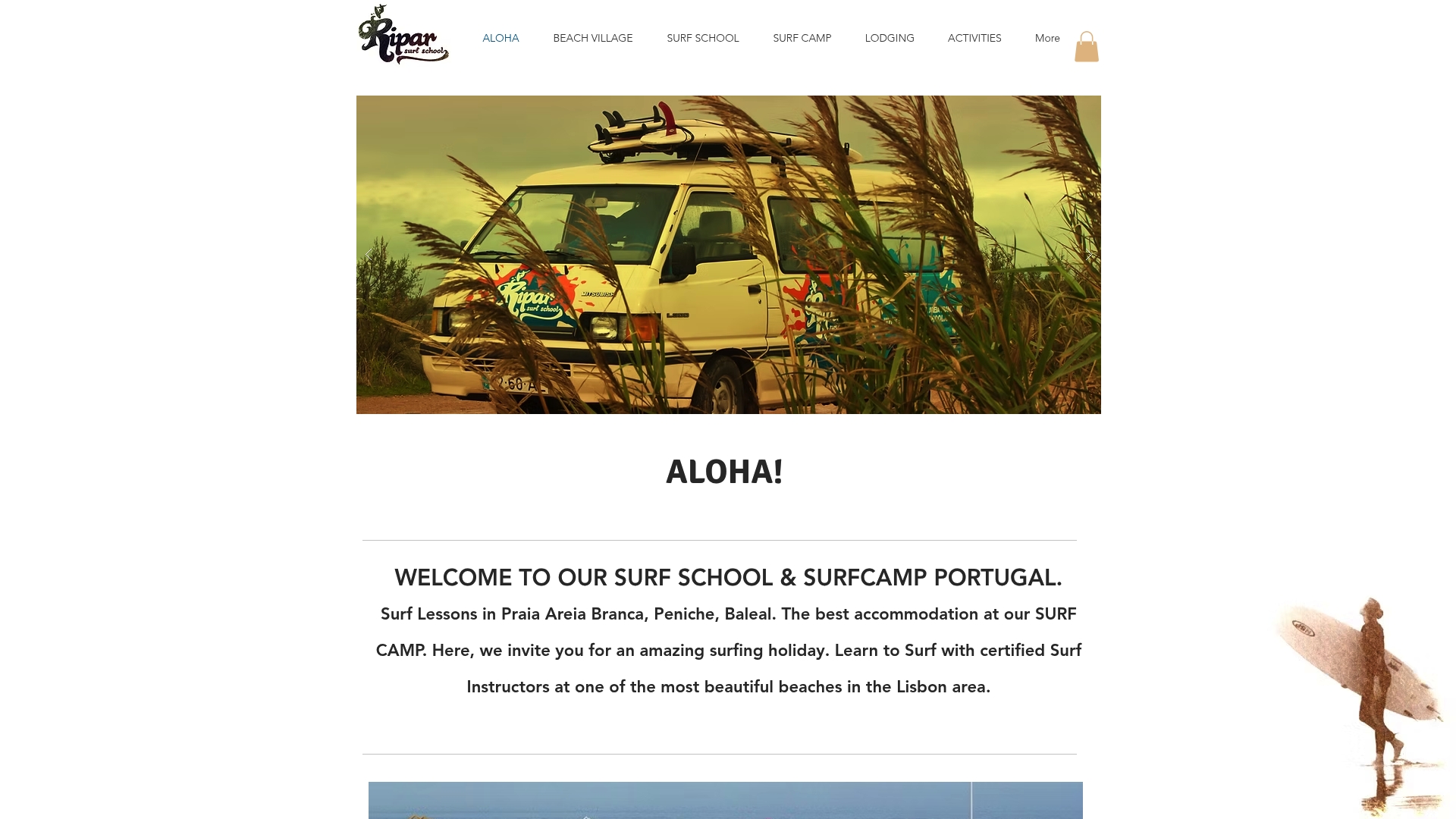
You can look at the surf camp packages to compare the regular and intensive options, or book a surf lesson online if you just want a session on arrival. If you are new to surfing, our beginner’s guide to surfing lessons in Portugal explains what a first lesson looks like.
FAQ
What wetsuit thickness do I need for winter surfing in Portugal?
A 4/3mm full wetsuit is the standard, with booties. If you feel the cold, or you are surfing in January and February, a 5/4mm is a common choice, with gloves and a hood for longer sessions. Winter water is roughly 13 to 16°C depending on the region.
Should I bring my own board in winter?
For most trips, renting is easier. Boards typically rent for €15 to €25 per day at the main surf centres, and airline board-bag fees can reach €50 to €80 each way on budget carriers. Bring your own only if you have a board you know well and plan to surf most days.
Is it colder in the north of Portugal than in the Algarve?
Yes. December to February highs are 10 to 14°C around Porto and the north, 13 to 16°C near Lisbon and 15 to 18°C in the Algarve. The north is also wetter, so a waterproof jacket matters more there.
What should I wear after surfing?
A changing poncho or large towel, then dry layers: a fleece, a hat, thick socks and loose trousers. Keep a drybag for the wet suit so the rest of your bag stays dry.
Sources
Recommended
Comments