

After-Surf Relaxation: How to Unwind and Recover Right
- Fernando Antunes

- 2 days ago
- 6 min read
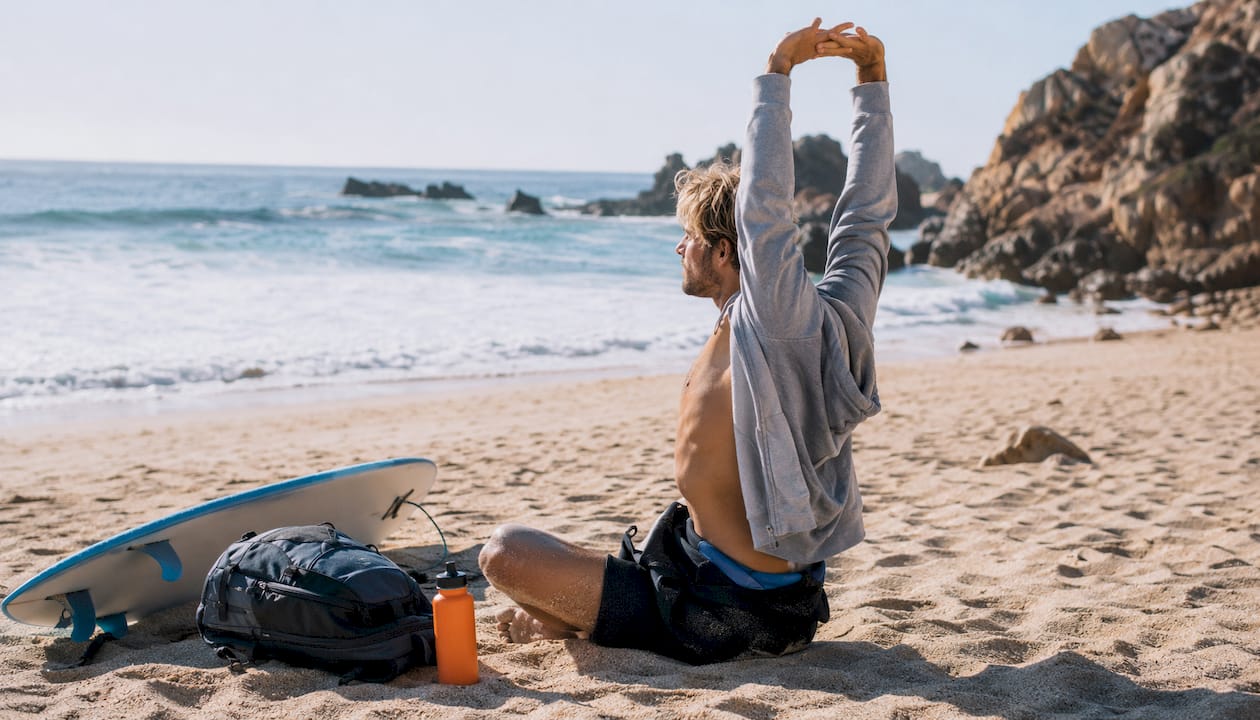
TL;DR:
After-surf relaxation combines physical recovery through breathwork, targeted stretching, and gear care with mental decompression via social rituals. It plays a vital role in reversing muscle tension, preventing injuries, and deepening overall enjoyment of surfing by supporting both body and mind.
After-surf relaxation is the deliberate practice of cooling down your body and mind immediately after a surf session, combining physical recovery with mental decompression to help you heal faster, move better, and enjoy the water longer. It goes well beyond a quick rinse and a cold drink. Real post-surf recovery addresses muscle tension built up from paddling, calms an elevated nervous system, rehydrates depleted tissues, and taps into the social rituals that make surf culture genuinely restorative.
The core components of after-surf relaxation include:
Breathwork and gradual cool-down to shift the nervous system out of fight-or-flight mode
Targeted stretching and restorative yoga for the shoulders, hips, and spine
Hydration and protein intake within 30 minutes of leaving the water
Gear care (rinsing boards and wetsuits, securing valuables)
Social and cultural rituals that support mental recovery
Mindfulness practices such as meditation and slow abdominal breathing
Riparsurfschool, operating since 2001 on the coast of Praia Areia Branca near Peniche, builds these recovery practices directly into its surf camps and lessons.
What is after-surf relaxation, and why does it matter for your body?
Surfing is asymmetrical by nature. You paddle predominantly on one side, pop up repeatedly, and hold your spine in extension for the entire session. The result is predictable: tightness in the shoulders, chest, and upper back, specifically the trapezius, pectoralis major, and deltoids. Leave that tension unaddressed and chronic imbalances develop, pulling joints out of alignment and creating the lower back and hip pain that sidelines surfers far more often than wipeouts do.
The good news is that a structured cooldown reverses most of this. The key is sequence. Aggressive stretching with an elevated heart rate can actually increase muscle tightness rather than release it. Start with breathwork first.
Physical recovery steps that actually work
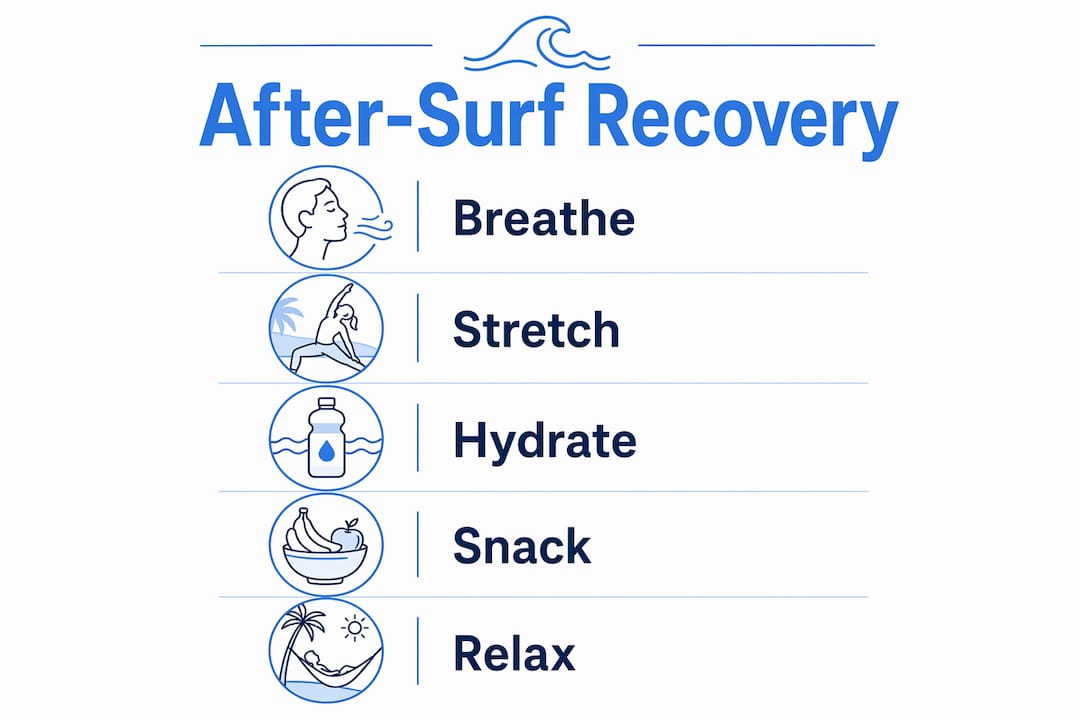
Breathe before you stretch. Deep nasal breathing into the abdomen shifts the nervous system from sympathetic to parasympathetic mode. Your heart rate drops, cortisol falls, and muscles become receptive to release. Give this two to three minutes before touching a stretch.
Target the right muscle groups. Focus on shoulders, hip flexors, and the thoracic spine. These are the three areas surfers tighten most during a session.
Try restorative yoga poses. Post-surf yoga focused on hip openers and spinal decompression outperforms generic static stretching. Poses like Puppy Dog, Eagle Arms, and Broken Wing directly address the upper back and shoulder tension that paddling creates.
Hydrate with electrolytes and eat protein. Saltwater and sun deplete fluids fast. Aim to drink 16–24 oz of water with electrolytes and eat 30+ grams of protein within 30 minutes of your session to kickstart muscle repair.
Use a foam roller. Rolling the thoracic spine and IT bands for 10–15 minutes improves circulation and breaks up muscle adhesions that stretching alone misses.
Rinse and care for your gear. Rinsing your wetsuit with fresh water immediately and drying it in the shade prevents neoprene damage. Rinse your board too. Saltwater is corrosive, and a ding left unsealed lets water into the foam core.
Secure your valuables. Waterproof dry bags or lockboxes for car keys and electronics are standard practice. Losing your keys after a great session is a reliable way to erase the post-surf glow.
Pro Tip: Wait until your breathing has fully settled before starting static stretches. Synchronize each movement with a slow exhale. That single adjustment makes the difference between a stretch that releases tension and one that creates it.
How social rituals and surf culture deepen your recovery
The physical side of recovery is only part of the picture. Post-surf cultural practices foster camaraderie and shared identity, elevating mental health in ways that foam rolling simply cannot replicate.
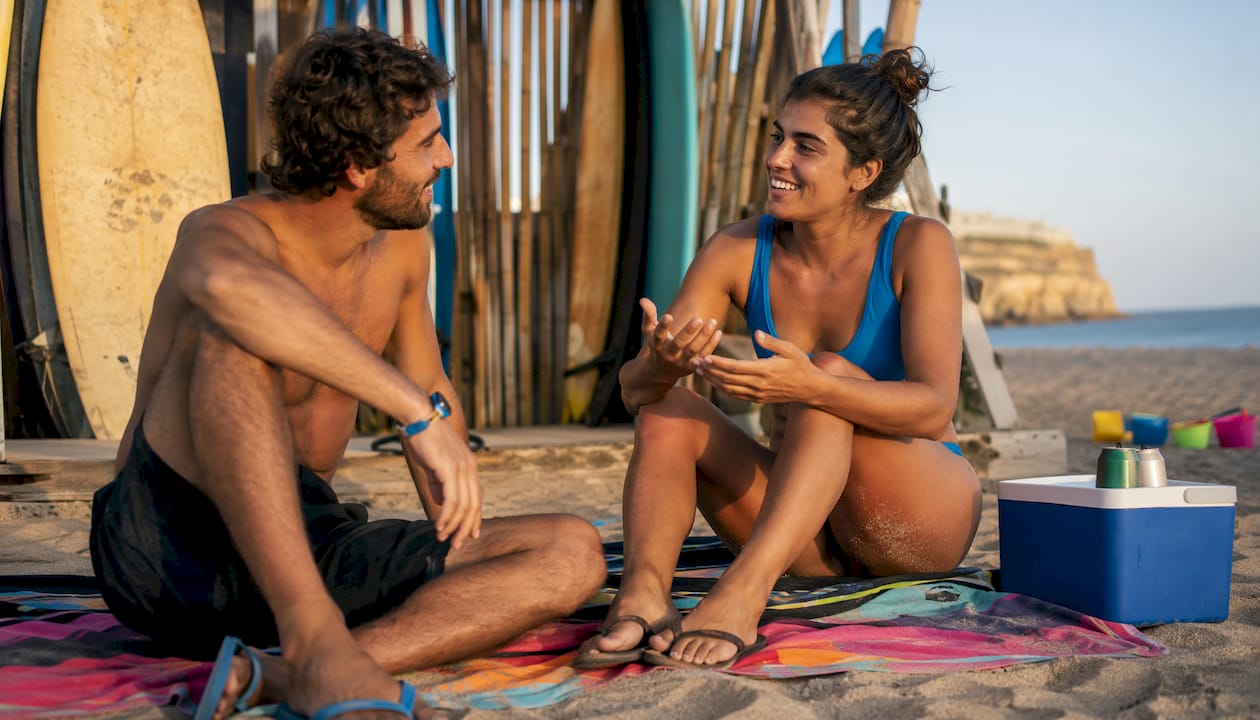
The après surf concept, borrowed from the French word for “after,” captures this perfectly. It covers the entire social experience following a session: the rinse-off, the warm hoodie, the beach hang, the food, and the community. Where après ski is warm and Alpine, après surf is salty, sun-soaked, and laid-back.
Common cultural practices surfers rely on for mental recovery:
The after-surf beer. It combines the endorphin release of physical activity with the therapeutic effect of ocean exposure and the social reward of shared accomplishment. That said, drink it in moderation and only after rehydrating with water first. Early-morning alcohol disrupts physiological recovery and kills your afternoon glass-off session.
Communal beach hangs. Sitting with fellow surfers, replaying waves, and watching the lineup from shore is genuinely restorative. The shared experience accelerates mental decompression in a way solo recovery cannot.
Seated meditation. Find a quiet spot, close your eyes, and follow the natural rhythm of your breath for five to ten minutes. This practice is common in surf yoga traditions and pairs well with the parasympathetic state your breathwork already initiated.
Mindful eating at a beach café. Slow, social meals after surfing serve double duty: they replenish energy and extend the relaxed coastal atmosphere that makes the whole experience worth repeating. If you’re drawn to combining yoga and mindful recovery with time on the water, that combination has real roots in surf and sailing culture alike.
Pro Tip: Have your water and protein snack ready before you leave the beach. The 30-minute post-surf window for nutrition closes fast once you’re in the car and stuck in traffic.
What Riparsurfschool’s instructors recommend for post-surf recovery
Riparsurfschool’s certified instructors at Praia Areia Branca have been guiding surfers through both the water and the recovery process since 2001. Their approach blends physical care, gear maintenance, and community in a way that reflects genuine experience with the full arc of a surf day.
Key recommendations from the Riparsurfschool team:
Follow the breathe-first protocol. Before any stretching, spend two to three minutes on slow abdominal breathing. This is the single most overlooked step in post-surf recovery.
Attend a dedicated post-surf yoga session. Riparsurfschool offers restorative yoga classes specifically designed around the muscle groups surfing strains. Hip openers and spinal work are central to every session.
Rinse your board and wetsuit immediately. The school’s deck area includes showers for exactly this purpose. Drying your wetsuit in shade, not direct sun, preserves the neoprene and extends its life considerably.
Store valuables in a dry bag before paddling out. This eliminates end-of-session stress and keeps your focus on recovery rather than a frantic key search.
Stay for the social side. The school’s location near local cafes and bars is intentional. The community atmosphere after a session is part of the recovery, not an afterthought.
Get adequate sleep. Muscle repair happens overnight. No recovery tool replaces consistent rest.
Key Takeaways
After-surf relaxation combines breathwork, targeted stretching, proper nutrition, gear care, and social ritual into a recovery process that keeps you surfing longer and feeling better between sessions.
Point | Details |
Breathe before you stretch | Slow nasal breathing shifts the nervous system to rest mode before static stretches are effective. |
Nutrition timing matters | Eat at least 30 grams of protein and drink electrolyte water within 30 minutes of leaving the water. |
Restorative yoga outperforms generic stretching | Hip openers and spinal poses address the specific imbalances paddling creates. |
Social rituals aid mental recovery | Communal beach time and mindful après surf practices reduce stress beyond what physical recovery alone achieves. |
Riparsurfschool integrates all of it | The school’s surf camps include yoga sessions, gear care facilities, and a community atmosphere built around full post-surf recovery. |
The part of surfing most people undervalue
Most surfers invest heavily in their time in the water and almost nothing in the hour that follows. That imbalance is where injuries accumulate and where the joy of surfing quietly erodes over years.
What strikes me about the surfers who stay in the water well into their forties and fifties is not their fitness or their technique. It is their consistency with recovery. They treat the cooldown as part of the session, not an optional add-on. They breathe deliberately, they eat before they drive home, and they sit with friends long enough to let the nervous system actually settle. The ocean does a lot of the work for you. Physical activity releases endorphins, saltwater has genuine therapeutic properties, and the rhythm of waves is calming in ways that are hard to explain but easy to feel. Post-surf relaxation is simply the practice of not interrupting that process.
Slowing down after surfing also deepens your connection to the sport itself. The session does not end when you walk out of the water. It ends when your body and mind have fully returned from the heightened state the ocean put them in.
Riparsurfschool brings the full surf experience to Praia Areia Branca
Riparsurfschool is the surf school for surfers who want the complete experience, not just the wave count. Based at Praia Areia Branca near Peniche since 2001, the school pairs certified instruction with a genuine community atmosphere and on-site recovery facilities including showers, gear storage, and dedicated yoga sessions.

Whether you are booking a group surf lesson for your first time in the water or joining a full surf camp that includes restorative yoga and local beach culture, Riparsurfschool builds post-surf recovery into everything it offers. The deck area, the local cafes steps away, and the tight-knit instructor team make the after-surf experience as deliberate as the lesson itself. Book your session online and arrive ready to surf well and recover better.
Recommended
Comments