

5–7 Day Surf Camp Schedule in Portugal With Cultural Activities

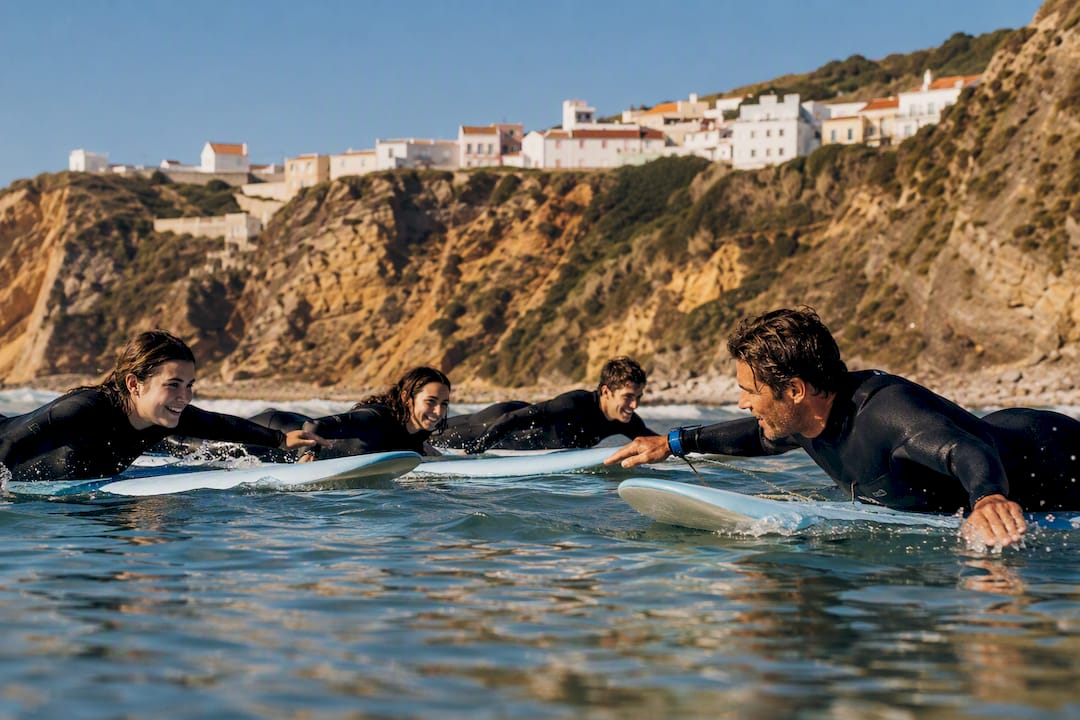
Yes: surf camps across Portugal routinely pair morning surf coaching with afternoon and evening cultural programming, from yoga and live music to environmental workshops and shared community dinners. This format draws families, teenagers, and international travelers looking for more than tan lines. A surf school running since 2001 near Peniche and Ericeira builds its camps around a mix of local surf instruction and cultural exchange, similar to the immersive experiences offered at Dragonfly Retreat | Group Stays in Andalucía.
TL;DR:
Most surf camps in Portugal integrate cultural activities like yoga, music, and environmental projects directly into their daily schedules, enriching the overall experience.
Camps typically build their days around morning surf lessons followed by afternoon sessions on arts, music, or skating, with evenings dedicated to community activities and local events.
Authentic programs are led by local instructors, foster genuine relationships with community artisans, and include clear supervision ratios, especially for youth groups.
Visiting during the summer months offers warmer waters, smaller surf, and the fullest cultural programming, with most packages including lessons, accommodation, equipment, and at least one excursion.
Confirm specific inclusions, local-led cultural sessions, and monitor-to-camper ratios before booking to ensure a responsible and authentic cultural experience.
Table of Contents
What Cultural Activities Happen at a Portuguese Surf Camp?
“Surf camp” undersells what most Portuguese programs actually deliver. The standard model blends structured surf instruction with a rotating menu of creative, physical, and community activities that fill the hours between water sessions.
Programs around Espinho and the central coast typically build their schedules around a core set of options, mixing sport with hands on creativity:
Surf yoga: stretching and breathing sessions timed around paddling fatigue, often at sunrise or sunset.
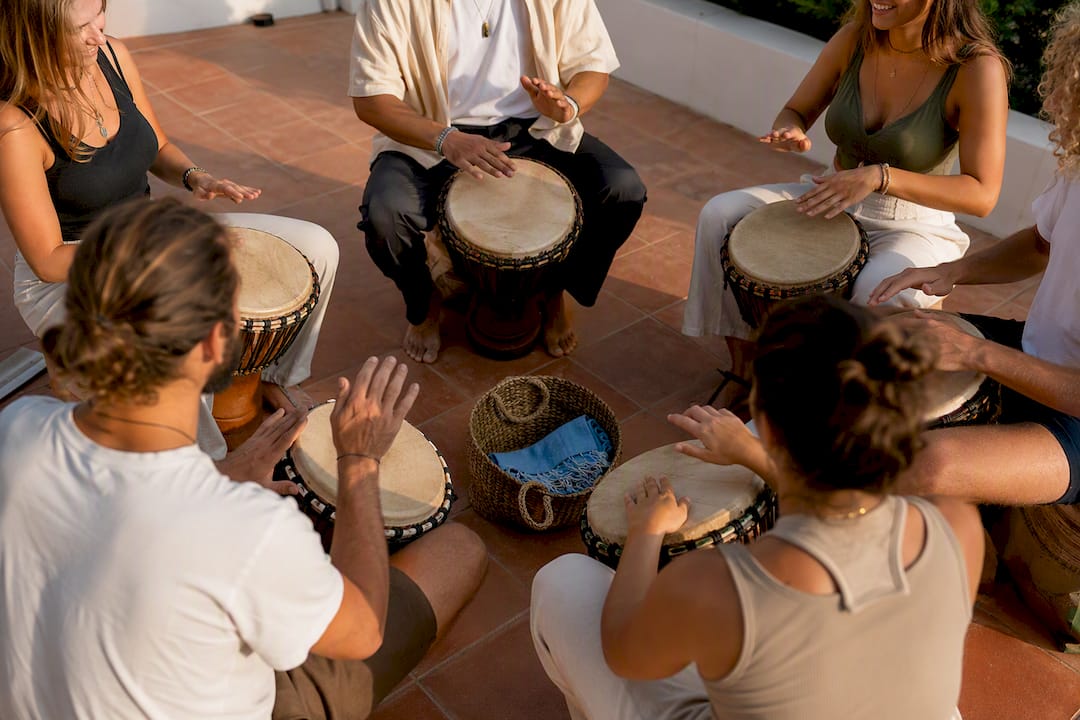
Music sessions: informal jam circles, drumming, or campfire singalongs.
Painting and arts and crafts: mural projects, beach-material crafts, or simple sketching classes.
Skate and longboard practice: a natural crossover skill for surfers working on balance.
SUP (stand-up paddleboarding): usually offered as a change of pace from board surfing.
Group games and Beach Olympics: relay races, volleyball, and team challenges that build camaraderie fast.
Evenings often shift toward shared experiences rather than solo downtime: talent shows, movie nights, and communal dinners where campers from different countries end up trading stories over grilled fish. Many camps also weave in environmental education, including beach cleanups and short talks on local marine ecosystems, since Portugal’s coastline is the whole point of the trip.
Youth camps tend to run tighter, monitor-led rotations. Adult and mixed-age programs lean more flexible, letting people opt into activities as they please. English is the default working language at most international camps, though Ripar Surf School’s community pages show how Portuguese staff naturally fold local phrases and customs into daily interactions.
How Do Surf Lessons and Culture Fit Into One Day?
A well-run camp doesn’t bolt cultural activities onto a surf schedule as an afterthought. It builds the day around both, in a rhythm that lets your body recover from paddling while your brain does something completely different.
A typical camp day looks something like this:
Morning surf block (roughly 9:00 AM to 12:00 PM): warm-up on the sand, coached time in the water, then a short skills debrief while everyone dries off.
Lunch and rest (12:00 PM to 2:00 PM): downtime that doubles as informal social time.
Afternoon cultural or activity slot (2:00 PM to 4:00 PM): sessions here run 60 to 120 minutes and rotate between yoga, art, music, or skate depending on the day.
Free time or optional SUP/skate practice (4:00 PM to 6:00 PM).
Evening community activity (after dinner): talent show, bonfire, or movie night.
Across a five to seven day stay, most camps slot in one excursion day, one full-length workshop, and often a local market visit or small community project. Youth camps stick closer to that structured rotation with monitors managing transitions; adult groups get more say in how they spend the afternoon block, and some skip the scheduled activity entirely to keep surfing.
How Do Reputable Camps Handle Culture Responsibly?
Cultural programming works when it’s built on real relationships with the area, not a checklist of “local flavor” bolted onto a surf package. Riparsurfschool has operated out of Praia Areia Branca since 2001, which means its local, certified instructors aren’t visiting talent. They’re people who grew up surfing that stretch of coast.
A few things separate an authentic setup from a staged one:
Small groups working with local artisans or musicians instead of a booked “performance” for tourists.
Instructors who double as cultural guides, not just coaches counting reps in the water.
Facilities that support the full day, not just the surf lesson: surf equipment, a deck area with showers, and easy walking access to nearby cafes and bars.
Clear, published supervision ratios, especially for youth groups.
Pro Tip: Before booking, ask directly about monitor-to-camper ratios and whether cultural sessions are led by locals or outside vendors. A camp that answers specifically, with names or numbers, is usually the one doing it right.
What Should You Plan and Pack for a Surf Camp in Portugal?
Timing shapes everything else. Portugal’s swell season generally runs from fall through spring, but summer (June through September) brings warmer water, smaller waves better suited to beginners, and the fullest cultural programming calendar, since camps schedule more group activities when daylight and demand both run long.
Package pricing varies by camp and season, but most bundle the same core pieces: surf lessons, lodging, equipment rental, and at least one excursion or workshop. When comparing packages, ask specifically what’s included versus billed separately, and check the cancellation policy before you commit to dates, especially if you’re booking during peak summer weeks when spots fill fast.
For packing, keep it simple:
Rent a wetsuit locally unless you already own one that fits well.
Reef-safe sunscreen and a hat, since Portuguese sun is stronger than it looks from a plane window.
One modest outfit if your itinerary includes a village or market visit.
A reusable water bottle. Refill stations are common at most camp facilities.
Most travelers fly into Lisbon or Porto, then transfer by car or shuttle to coastal towns like Peniche, Areia Branca, or Santa Cruz, all within roughly an hour or two of either airport depending on traffic. Riparsurfschool’s tips for maximizing a surf camp stay cover more of this ground if you’re planning your first trip.
What Local Excursions Do Surf Camps Pair With Lessons?
The best cultural add ons come from camps with actual roots in their town, not a generic activities binder. A few real examples from around Portugal show the range.
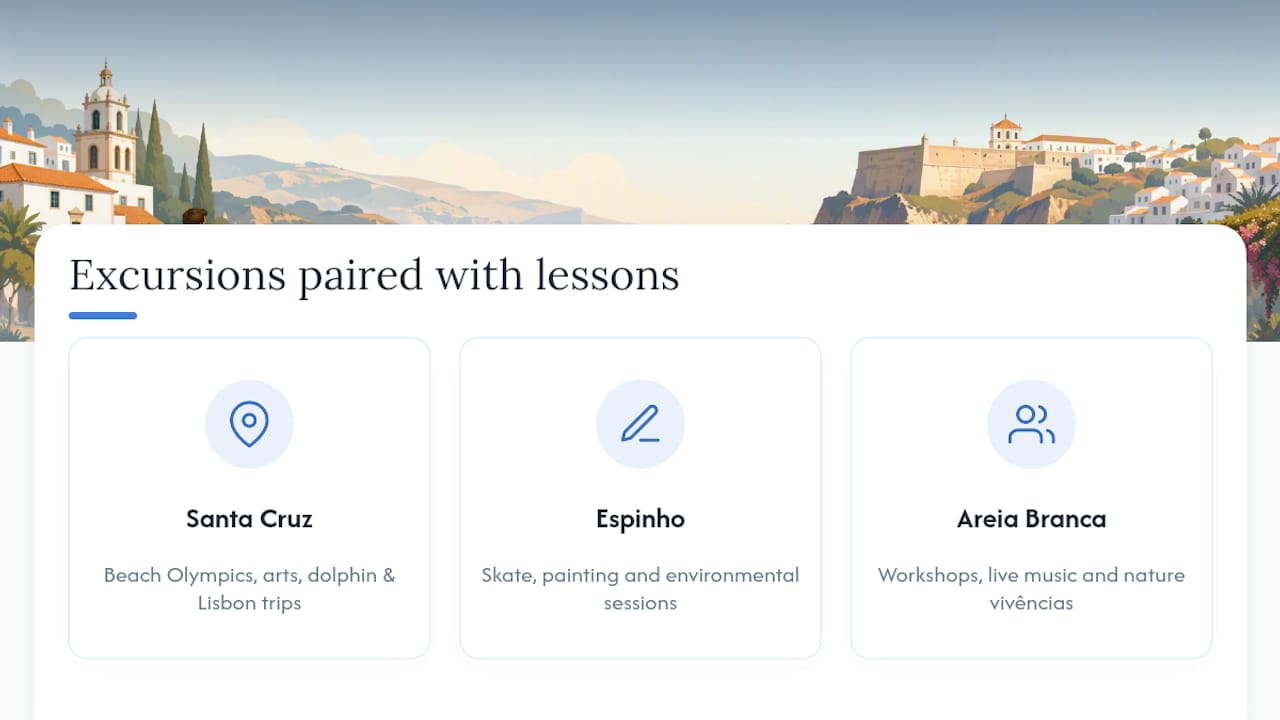
International youth camps in Santa Cruz often build entire weeks around intercultural programming, pairing daily lessons with Beach Olympics, arts and crafts, and excursions like dolphin watching trips or a day in Lisbon. Summer programs in Espinho lean similarly broad, mixing skate, painting, and environmental sessions into the surf schedule. Down in Areia Branca, community events have historically gone further into cultural exchange, with workshops, live music, and participatory vivências built around nature interaction rather than staged shows for spectators.
The pattern worth noting: the strongest programs favor drumming circles and hands-on workshops over passive performances, which is what actually makes campers feel like participants instead of an audience. When you’re comparing camps, ask plainly whether excursions support local businesses or artisans directly. Camps with genuine local culture ties usually answer that question without hesitation.
Why Mixing Surf and Culture Makes a Better Trip
Most people book a surf camp for the waves and leave remembering the dinner table more. That’s not a knock on surfing, it’s just how these weeks tend to work: shared struggle in the water plus shared downtime on land builds friendships faster than either alone would.
The camps that get this right treat cultural activities as part of the curriculum, not filler between lessons. A family-friendly surf camp with young international staff running the evening activities creates a genuine exchange, not a tourist show. If you’re booking for a teenager or a mixed group, still ask directly about supervision ratios and what language instruction happens in. That single question tells you more about a camp’s actual quality than any brochure will.
— Fernando
Book a Surf Camp With Real Cultural Programming
One surf camp offers a local-village version of this experience instead of a mass-tourism resort package: local instructors, a small-beach setting in Praia Areia Branca, and daily surf sessions built around community activities.
If you’re planning a family trip, start with the surf camp booking page to check package inclusions and dates. Want to add a wellness angle to your stay? The surf yoga sessions pair naturally with morning lessons. Traveling with a group of friends or coworkers instead? Look at group surf lessons, and if you’d rather have one-on-one coaching time, the private surf lesson option covers that. Whichever fits your trip, check live availability on the online booking page before you lock in your travel dates.
Sources
FAQ
Do All Surf Camps in Portugal Include Cultural Activities?
Most established camps do, though the depth varies. Look for programs that name specific activities like yoga, music, or environmental workshops rather than vague “fun activities” language.
What Age Groups Do Surf Camp Cultural Programs Suit?
They work for youth groups, families, and adult travelers alike, though youth camps run more structured monitor-led rotations while adult programs offer more flexible free time.
How Much Does a Surf Camp With Cultural Activities Cost in Portugal?
Pricing depends on package length, lodging type, and season, so ask each camp directly what’s bundled into lessons, accommodation, and excursions before booking.
Does Riparsurfschool Offer Cultural Activities Alongside Surf Lessons?
Yes. Riparsurfschool’s surf camp packages combine daily lessons with surf yoga and community-based activities near Praia Areia Branca, run by local, certified instructors.
What Should I Ask Before Booking a Surf Camp for Cultural Authenticity?
Ask about instructor-to-camper ratios, whether cultural sessions are led by local people, and what’s included versus billed as an extra, since clear answers usually signal a well-run camp.
Recommended
Comments