

How to Recover After Surfing: Your 2026 Guide


TL;DR:
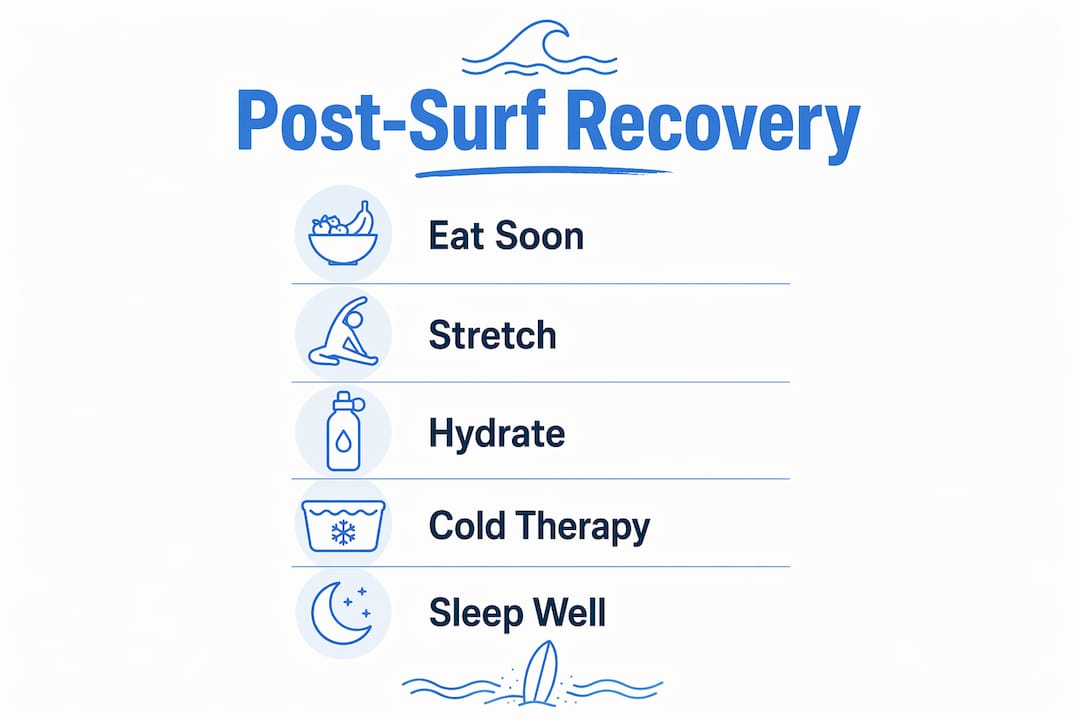
Post-surf recovery involves nutrition, stretching, hydration, thermal therapy, and sufficient sleep to promote muscle repair. Implementing these routines consistently helps surfers stay healthy, improve over time, and prevent injuries. Neglecting recovery techniques often leads to prolonged soreness and increased risk of injury.
Post-surf recovery is defined as the deliberate restoration of muscles, energy stores, and hydration after a surfing session. Knowing how to recover after surfing separates surfers who stay healthy and improve over time from those who plateau or get hurt. Surfing taxes specific muscle groups hard: the shoulders from paddling, the hip flexors from popping up, and the thoracic spine from constant rotation and arching. A structured recovery routine addresses each of these areas with targeted nutrition, post-surf stretching, hydration, and rest. Riparsurfschool has integrated these principles into its surf education since 2001, and the results speak for themselves.
How to recover after surfing: start with nutrition

The single most important post-surf recovery step is eating within 45–60 minutes of leaving the water. Refueling within this window with at least 30g of protein and complex carbohydrates gives your muscles the raw material they need to repair. Miss this window and your body starts pulling from muscle tissue instead of rebuilding it.
The best snacks for surfers after a session are simple and fast. A smoothie with Greek yogurt, banana, and oats hits the protein and carbohydrate targets in under five minutes. Grilled fish with brown rice is a stronger option if you have time for a full meal. Both deliver the amino acids your muscles need and the glycogen to refuel your energy stores.
Pro Tip: Keep a protein shake or a bag of trail mix in your surf bag. The recovery window starts the moment you exit the water, not when you get home.
Here is what a solid post-surf nutrition plan looks like:
Protein source: Greek yogurt, canned tuna, eggs, or a whey protein shake (aim for 30g+)
Complex carbs: Brown rice, oats, sweet potato, or a banana
Healthy fats: Avocado or a small handful of nuts to reduce inflammation
Hydration: 16–20 oz of water or coconut water immediately after the session
Protein drives muscle repair at the cellular level. Without enough of it in the first hour, the micro-tears in your shoulder and back muscles from paddling will heal more slowly and leave you sore longer.
What stretches should you do after surfing?
Post-surf stretching should target the thoracic spine, hip flexors, and shoulders, holding each position for 20–30 seconds and spending at least 10 minutes total on mobility work. Stretching warm muscles immediately after surfing is significantly more effective than waiting until they cool down. Cold muscles resist lengthening and are more prone to small tears during stretching.
The most effective stretches for surfers address the exact positions your body holds in the water:
Thoracic spine rotation: Sit cross-legged, place one hand behind your head, and rotate your elbow toward the ceiling. This undoes the forward-hunched position from paddling.
Hip flexor lunge stretch: Step one foot forward into a deep lunge, drop the back knee, and press your hips forward. Hold 25 seconds per side.
Doorway chest opener: Stand in a doorway with arms at 90 degrees and lean forward gently. This counteracts the shoulder rounding from paddling.
Child’s pose with side reach: Extend both arms forward, then walk them to one side to open the lats and thoracic spine.
Seated hamstring stretch: Straighten one leg, reach toward your toes, and hold. Tight hamstrings pull on the lower back, which surfers already stress heavily.
Adding a short yoga flow two or three times per week accelerates the gains from daily stretching. Yoga builds the hip and shoulder mobility that static stretches alone cannot fully develop.
Pro Tip: Do your stretching on the beach before you rinse off. Your muscles are at peak temperature right after your session, which is when mobility work does the most good.
Why does hydration matter so much after surfing?
Saltwater exposure accelerates dehydration because the salt draws moisture out through your skin while you surf. Dehydration affects balance and reaction time before you even feel thirsty, which means you can be functionally impaired in the water without realizing it.
Electrolyte replenishment is not optional after a long session. Plain water rehydrates volume but does not replace sodium, potassium, and magnesium lost through sweat. Coconut water is one of the most practical electrolyte drinks for surfers because it contains natural potassium and tastes good cold. A DIY mix of water, a pinch of sea salt, and a squeeze of lemon works just as well.
Watch for these dehydration warning signs after surfing:
Headache or dull pressure behind the eyes
Muscle cramps in the calves or feet
Dark yellow urine within two hours of your session
Fatigue that feels disproportionate to the effort you put in
Avoid alcohol and sugary sports drinks in the first two hours after surfing. Alcohol is a diuretic and actively slows rehydration. High-sugar drinks spike blood glucose and can trigger an energy crash that makes recovery feel worse. Stick to water, coconut water, or a low-sugar electrolyte drink until you are fully rehydrated.
Cold and heat therapy: what actually works for surfers?
Thermal recovery methods are among the most evidence-backed tools for reducing muscle soreness after surfing. Cold water immersion at 38–45°F for 2–3 minutes constricts blood vessels, flushes lactic acid from overworked muscles, and reduces inflammation in the shoulders and lower back. A cold shower works if a full ice bath is not available.
Heat therapy does the opposite and is equally useful. Finnish sauna use at 150°F for 10–15 minutes promotes blood flow, increases flexibility, and triggers a significant growth hormone release that supports muscle repair. The key is sequencing: use cold first to control inflammation, then heat to drive circulation and loosen stiff tissue.
Contrast therapy combines both in alternating rounds. A practical protocol looks like this:
Cold shower or cold immersion for 2–3 minutes
Warm shower or sauna for 5–10 minutes
Repeat the cycle two to three times
End on cold to lock in the anti-inflammatory effect
Epsom salt baths are a lower-tech option that still delivers results. Magnesium absorbs through the skin and helps relax cramped muscles. Soak for 15–20 minutes in warm water with two cups of Epsom salt. For surfers dealing with recurring shoulder soreness, sports medicine support can help identify whether thermal therapy alone is enough or whether additional treatment is needed.
Pro Tip: If you surf in the Atlantic off Portugal, the ocean water itself is cold enough to serve as your cold immersion. Stay in for 2–3 minutes after your session before heading to shore.
How does sleep affect surf performance and recovery?
Muscle repair and growth hormone release peak during deep sleep, making 7–9 hours of quality sleep the single highest-leverage recovery tool available to any surfer. No stretch routine or protein shake compensates for consistently poor sleep. Sleep is when your body actually rebuilds the tissue damaged during your session.
Good sleep habits for surfers include keeping a consistent bedtime, avoiding screens for 30 minutes before sleep, and keeping the room cool and dark. Surfers who chase early morning swells often sacrifice sleep to do it. That trade-off is worth it occasionally, but chronic sleep debt leads to slower reaction times, weaker paddling, and higher injury risk.
Active recovery on rest days prevents the stiffness that builds up when you stop moving entirely. Gentle movement keeps blood flowing to sore muscles and speeds up the removal of metabolic waste. Effective active recovery options include:
A 20–30 minute walk on the beach
Light swimming in calm water
A gentle yoga session focused on breathing and mobility
Foam rolling for 10 minutes targeting the lats, hip flexors, and thoracic spine
Many surfers treat rest days as total inactivity, which is a mistake. Lying still for a full day after hard surfing causes muscles to stiffen and joints to feel locked up the next morning. The goal on a rest day is gentle movement, not another hard workout. For a deeper look at how fitness and recovery connect, the surf fitness guide from Riparsurfschool covers the full picture.
Skin recovery is also part of the post-surf routine that surfers often overlook. Salt, sun, and wind strip moisture from your skin after every session. Post-surf skin care helps restore the skin barrier and prevents long-term damage from repeated ocean exposure.
Key Takeaways
Effective surf recovery requires consistent nutrition timing, targeted stretching, electrolyte replenishment, thermal therapy, and 7–9 hours of sleep to rebuild muscle and sustain performance.
Point | Details |
Eat within 45–60 minutes | Consume 30g+ protein and complex carbs immediately after your session to kickstart muscle repair. |
Stretch while muscles are warm | Target thoracic spine, hip flexors, and shoulders for at least 10 minutes right after surfing. |
Rehydrate with electrolytes | Use coconut water or a low-sugar electrolyte drink to replace sodium and potassium lost during surfing. |
Use contrast therapy | Alternate cold immersion at 38–45°F and heat at 150°F to reduce inflammation and drive circulation. |
Prioritize sleep over everything | Seven to nine hours of quality sleep is the foundation of muscle repair and injury prevention. |
What I’ve learned after years of watching surfers skip recovery
Most surfers I work with at Riparsurfschool make the same mistake: they treat recovery as optional. They paddle hard for two hours, grab a beer, and wonder why their shoulders feel wrecked by day three of a surf camp. The answer is almost always the same. They skipped the basics.
The surfers who improve fastest are not the ones with ice baths and massage guns. They are the ones who eat within an hour, stretch on the beach before they shower, and sleep eight hours. Consistency with simple habits beats expensive tools every time. I have seen this play out hundreds of times.
Listening to your body is a skill that takes time to develop. Fatigue after a good session is normal. Fatigue that sits in your joints, makes you feel heavy the next morning, and does not lift after a full night’s sleep is a signal to rest completely. Pushing through that second type of fatigue is how surfers get hurt. The full recovery breakdown we put together at Riparsurfschool goes deeper on reading those signals.
Recovery is not glamorous. But it is what keeps you in the water for years instead of months.
— Fernando
Surf camps at Riparsurfschool that build recovery in from day one
Riparsurfschool runs surf lessons and surf camps at Praia Areia Branca, near Peniche, where recovery is part of the daily structure, not an afterthought. Every camp includes guided stretching sessions after surf time, access to yoga classes that target the exact muscle groups surfers overuse, and instructors who teach you to read your body’s fatigue signals.

Whether you are booking a group surf lesson or a full surf camp, the program is built around sustainable surfing. You will surf better, feel less sore, and leave with habits that carry over long after you get home. Book your spot online and see what structured recovery coaching does for your surfing.
FAQ
What should I eat right after surfing?
Eat a meal or snack with at least 30g of protein and complex carbohydrates within 45–60 minutes of your session. Good options include a Greek yogurt smoothie, grilled fish with brown rice, or eggs with sweet potato.
How long should I stretch after surfing?
Spend at least 10 minutes stretching immediately after your session while your muscles are still warm. Hold each stretch for 20–30 seconds and focus on the thoracic spine, hip flexors, and shoulders.
Does cold water help with muscle soreness after surfing?
Cold water immersion at 38–45°F for 2–3 minutes reduces inflammation and flushes lactic acid from overworked muscles. A cold shower delivers similar benefits if a full ice bath is not available.
How much sleep do surfers need for recovery?
Surfers need 7–9 hours of quality sleep per night. Muscle repair and growth hormone release peak during deep sleep, making consistent sleep the most effective recovery tool available.
What counts as active recovery on a rest day?
Active recovery includes walking, light swimming, yoga, or foam rolling for 20–30 minutes. These activities keep blood flowing to sore muscles without adding stress to the body.
Recommended
Comments