

Beach Packing Essentials 2026: Your Complete Trip Checklist

TL;DR:
Proper beach packing ensures comfort, safety, and environmental responsibility during a trip.
Key items include reef-safe sunscreen, wide-brim hats, multiple swimsuits, microfiber towels, and protective clothing.
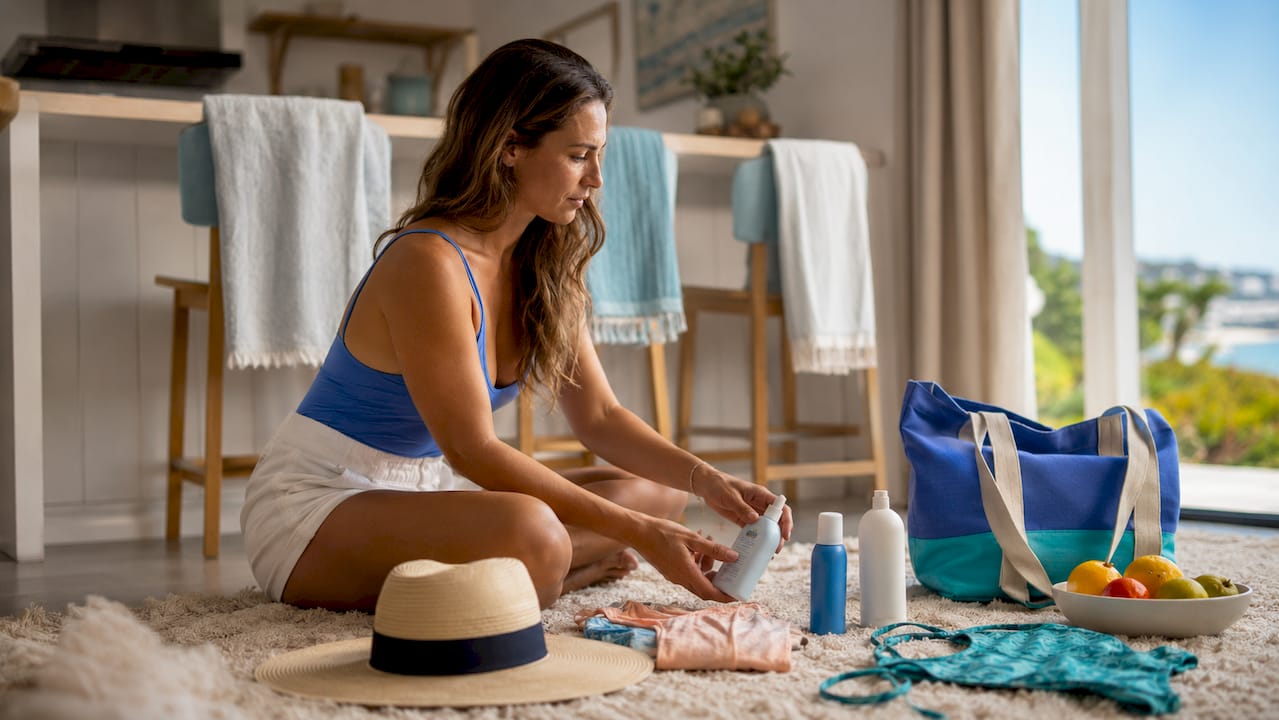
Beach packing essentials are the must-have items that guarantee a comfortable, safe, and enjoyable beach trip, selected with 2026 travel trends and environmental conditions in mind. Your 2026 beach trip checklist should lead with sun protection, hydration, and versatile gear before anything else. Key items like microfiber towels, reef-safe sunscreen, and wide-brim hats belong in every bag regardless of destination. The 5-4-3-2-1 packing rule gives you a simple framework: 5 tops, 4 bottoms, 3 accessories, 2 shoes, and 1 hat. Get those foundations right, and everything else falls into place.
1. Reef-safe sunscreen with SPF 50+
Reef-safe sunscreen is the single most critical item on any beach vacation must-haves list. Reef-safe formulas use zinc oxide or titanium dioxide instead of chemical filters, and they are legally required in destinations like Hawaii and parts of the Caribbean. Packing a non-compliant sunscreen can get it confiscated at customs or leave you scrambling to find a replacement at inflated local prices. Buy yours before you travel to avoid both problems.
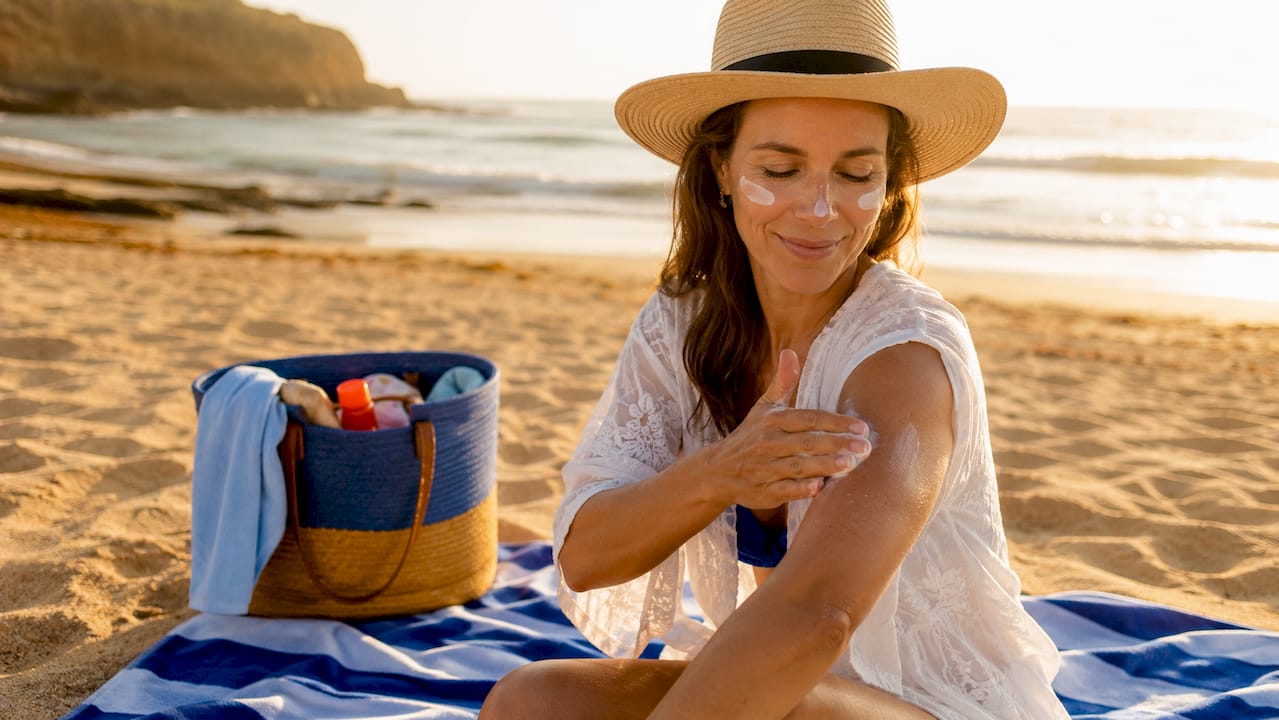
SPF 50+ blocks the vast majority of UVB rays. Reapply every two hours, especially after swimming. Avoid sunscreens containing oxybenzone or avobenzone if you plan to snorkel or dive near coral reefs.
Pro Tip: Pack sunscreen in your checked luggage in a sealed zip-lock bag. Pressure changes in cargo holds can cause bottles to leak, and reef-safe formulas are harder to replace abroad.
2. Wide-brim hats for full sun coverage
A wide-brim hat is not optional on a full beach day. Hats with at least a 10cm brim protect your ears and neck, two areas that baseball caps leave completely exposed. Sun damage accumulates on those spots faster than most people expect. A packable straw or nylon hat folds flat in your bag and bounces back into shape on arrival.
Baseball caps are fine for a quick walk to the water. For hours of direct sun exposure, they fall short. Choose a hat with a chin strap if you are heading to a windy coastline like Portugal’s Atlantic coast near Peniche.
3. UPF rash guards and swim shirts
UPF-rated rash guards block ultraviolet radiation more reliably than sunscreen alone. A UPF 50+ shirt blocks over 98% of UV rays and does not wash off in the water. This makes rash guards especially useful for children, surfers, and anyone spending extended time in the ocean. Brands like Patagonia, O’Neill, and Quiksilver all produce lightweight options that dry quickly.
Swim shirts also reduce how much sunscreen you need to apply and reapply. Less product on your skin means less chemical runoff into the water. That matters at protected reef destinations where environmental rules are tightening.
4. Two to three swimsuits for multi-day trips
Packing two to three swimsuits is a practical necessity, not a luxury. Tropical humidity extends swimwear drying time to 4–8 hours, which means a single suit worn in the morning may still be damp by evening. Rotating between suits keeps your skin dry and reduces irritation from prolonged contact with wet fabric.
Quick-dry fabrics like nylon and polyester blends speed up the process. Hang suits in direct sun or near an open window rather than in a bathroom. For a one-week trip, three suits give you comfortable rotation without overpacking.
Pro Tip: Rinse your swimsuit in fresh water after every ocean session. Salt and chlorine degrade elastic fibers faster than regular wear.
5. Microfiber towels: compact and fast-drying
Microfiber towels are the clear upgrade over standard cotton beach towels. They dry in 30–60 minutes and pack down to roughly the size of a water bottle. That size difference matters when you are managing a full beach bag or fitting everything into a carry-on. Cotton towels stay damp for hours and take up a third of a standard bag.
Brands like PackTowl and Rainleaf make towels specifically sized for beach use. Look for a large format, at least 60 x 120 cm, to cover a beach chair comfortably. Most microfiber towels also resist sand buildup better than cotton.
6. Beach gear for shade and comfort
Portable shade is one of the most underrated items on a 2026 beach trip checklist. A pop-up beach tent or UPF-rated umbrella gives you a reliable retreat from direct sun without depending on rented equipment. Beach chairs with built-in cup holders and reclining backs add comfort for long days. Lightweight aluminum frames keep the total weight manageable.
Here is a quick comparison of shade options to help you choose:
Option | Best for | Weight | Setup time |
Pop-up beach tent | Families, full-day stays | Medium | Under 2 minutes |
UPF beach umbrella | Solo or couples | Light | Under 1 minute |
Canopy shelter | Groups, windy beaches | Heavy | 5–10 minutes |
Pro Tip: Stake your umbrella or tent into the sand at an angle facing the wind. A flat stake pulls out easily; an angled one holds through gusts.
7. Waterproof dry bags and phone pouches
Electronics and saltwater do not mix. A waterproof dry bag protects your phone, wallet, keys, and camera from splashes, waves, and unexpected rain. Brands like Sea to Summit and YETI make roll-top dry bags in sizes from 2 liters to 20 liters. A 5-liter bag covers most day-trip needs.
Phone pouches with touchscreen-compatible windows let you take photos and use navigation without removing your device from protection. These cost under $20 and weigh almost nothing. They are among the highest-value items on any essential beach gear list.
8. Insulated water bottles for hydration
Dehydration is the most common reason beach days end early. A 1-liter insulated water bottle keeps drinks cold for hours in coastal heat, far longer than a plastic bottle or a can from a beach vendor. Brands like Hydro Flask, Nalgene, and Stanley all make durable options in that size range.
Bring more water than you think you need. Sun, salt air, and physical activity accelerate fluid loss. A second bottle or a collapsible soft flask adds backup capacity without much extra weight.
9. Footwear: flip-flops vs. water shoes
Footwear choice depends entirely on the beach type. Flip-flops work well on sandy beaches, but water shoes are necessary on rocky shores, coral reefs, and tidal pools where cuts and abrasions are real risks. Water shoes also pack flat and weigh very little, so there is no good reason to leave them out of your bag on an international trip.
Brands like Keen and Merrell make water shoes that grip wet rock surfaces without feeling clunky. For a surf destination like Praia Areia Branca near Peniche, water shoes help you navigate the shore break entry points safely. Bring both types if your itinerary includes multiple beach environments.
Pro Tip: Wear your water shoes into the water on your first visit to any unfamiliar beach. You can always switch to flip-flops once you know the bottom conditions.
10. Beach bags, lip balm, and skin care extras
A lightweight mesh tote or waxed canvas beach bag keeps your gear organized and lets sand fall through rather than accumulate. Avoid bags with fabric bottoms that trap moisture and grit. A bag with an interior zip pocket protects valuables while keeping towels and sunscreen accessible.
Lip balm with SPF is a small item that most people forget until their lips are already burned. After-sun lotion with aloe vera reduces inflammation and speeds up skin recovery after long exposure. For tropical destinations, insect repellent rounds out the skin care kit, particularly for evenings near mangroves or estuaries.
11. Packing strategies that actually work
The timeline for packing depends on your trip length. Start 2–3 days ahead for a weekend trip, 5–7 days ahead for a one-week domestic trip, and 10–14 days ahead for international travel. Budget 30–45 minutes to review and customize your checklist before you start pulling items together.
The 5-4-3-2-1 clothing rule keeps your bag light without leaving you short. Pack electronics and chargers in your carry-on on the final day so they are accessible and protected. Choose multipurpose clothing like board shorts that work in the water and at a beach bar. Linen shirts and wrap skirts cover multiple functions without adding weight. Lightweight, breathable fabrics that can be reworn cut your total item count significantly.
Pro Tip: Lay everything out on your bed before packing. Remove one item from each category. You will almost always find something you can leave behind.
Key takeaways
Packing the right beach essentials for 2026 means choosing versatile, protective, and fast-drying items that match your destination’s conditions and planned activities.
Point | Details |
Lead with sun protection | Reef-safe SPF 50+ sunscreen and a wide-brim hat are non-negotiable for any beach day. |
Pack multiple swimsuits | Tropical humidity means 4–8 hour drying times; two to three suits keep you comfortable. |
Choose microfiber over cotton | Microfiber towels dry in 30–60 minutes and pack to the size of a water bottle. |
Match footwear to the beach | Use flip-flops on sand and water shoes on rocky or coral beaches to avoid injury. |
Use the 5-4-3-2-1 rule | Five tops, four bottoms, three accessories, two shoes, and one hat keeps your bag light. |
What I have learned after years on the Atlantic coast
After more than two decades watching guests arrive at Praia Areia Branca, I have seen the same packing mistakes repeat every season. The most common one is overpacking clothing and underpacking protection. People bring five outfits for a three-day trip and forget a second swimsuit. They pack a full-size cotton towel that takes up half their bag and stays damp all day.
The items that actually change a beach trip are the boring ones. A good microfiber towel. A hat with a real brim. Reef-safe sunscreen bought before you travel, not at a tourist shop at double the price. These are not exciting purchases, but they are the ones that determine whether your day is comfortable or miserable.
One thing most packing guides skip: bring your own snorkel gear if you plan to use it. Rental equipment quality varies widely by location, and hygiene standards are inconsistent. A basic mask and snorkel weigh almost nothing and fit in a side pocket. You will use it more than you expect.
Sun protection also goes beyond sunscreen. Shade, timing, and clothing matter as much as what you apply to your skin. The hours between 11am and 3pm are when UV exposure peaks on Portugal’s Atlantic coast. A rash guard and a pop-up tent during those hours protect you better than any lotion alone.
— Fernando
Ready to surf Portugal’s best waves?
Packing the right gear is the first step. The next one is getting in the water with people who know these waves.
Riparsurfschool has been running surf lessons and surf camps at Praia Areia Branca, near Peniche and Ericeira, since 2001. The school offers beginner surf lessons for first-timers and private surf lessons for travelers who want focused, one-on-one coaching. Every session is led by certified local instructors who know the breaks, the tides, and how to get you standing on a board faster than you expect. Book your lesson and make your 2026 beach trip one you will talk about for years.
FAQ
What is the most important item to pack for a beach trip?
Reef-safe sunscreen with SPF 50+ is the single most critical item. It protects your skin and is legally required at destinations like Hawaii and parts of the Caribbean.
How many swimsuits should I pack for a week at the beach?
Pack two to three swimsuits for a multi-day trip. Tropical humidity extends drying time to 4–8 hours, so rotating suits keeps you comfortable throughout the day.
Are water shoes necessary for beach trips?
Water shoes are necessary on rocky shores, coral reefs, and tidal pools. Flip-flops are fine on sandy beaches, but water shoes prevent cuts and injuries on uneven surfaces.
What is the 5-4-3-2-1 packing rule?
The 5-4-3-2-1 rule means packing 5 tops, 4 bottoms, 3 accessories, 2 pairs of shoes, and 1 hat. It keeps your bag light while covering all clothing needs for a standard beach trip.
When should I start packing for a beach vacation?
Start packing 2–3 days ahead for a weekend trip, 5–7 days ahead for a one-week domestic trip, and 10–14 days ahead for international travel. Budget 30–45 minutes to review your checklist before you begin.
Recommended
Comments